
DT
Design and technology prepares children to take part in the development of tomorrow’s rapidly changing world. Creative thinking encourages children to make positive changes to their quality of life. The subject encourages children to become autonomous and creative problem-solvers, both as individuals and as part of a team. It enables them to identify needs and opportunities and to respond by developing ideas and eventually making products and systems. Through the study of design and technology they combine practical skills with an understanding of aesthetic, social and environmental issues, as well as functions and industrial practices. This allows them to reflect on and evaluate present and past design and technology, its uses and its impacts. Design and technology helps all children to become discriminating and informed consumers and potential innovators.
The aims of Design and Technology teaching are:
- to develop imaginative thinking in children and to enable them to talk about what they like and dislike when designing and making;
- to enable children to talk about how things work, and to draw and model their ideas;
- to encourage children to select appropriate tools and techniques for making a product, whilst following safe procedures;
- to explore attitudes towards the made world and how we live and work within it;
- to develop an understanding of technological processes, products, and their manufacture, and their contribution to our society;
- to foster enjoyment, satisfaction and purpose in designing and making.
The school uses a variety of teaching and learning styles in design and technology lessons. The principal aim is to develop children’s knowledge, skills and understanding in design and technology. Teachers ensure that the children apply their knowledge and understanding when developing ideas, planning and making products and then evaluating them. We do this through a mixture of whole-class teaching and individual/group activities. Within lessons, we give children the opportunity both to work on their own and to collaborate with others, listening to other children’s ideas and treating these with respect. Children critically evaluate existing products, their own work and that of others. They have the opportunity to use a wide range of materials and resources, including ICT.
April 2026
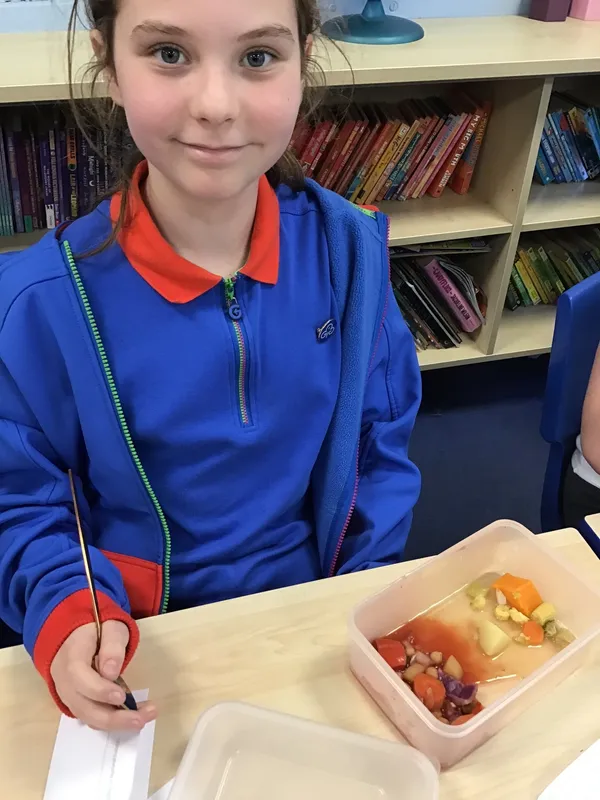
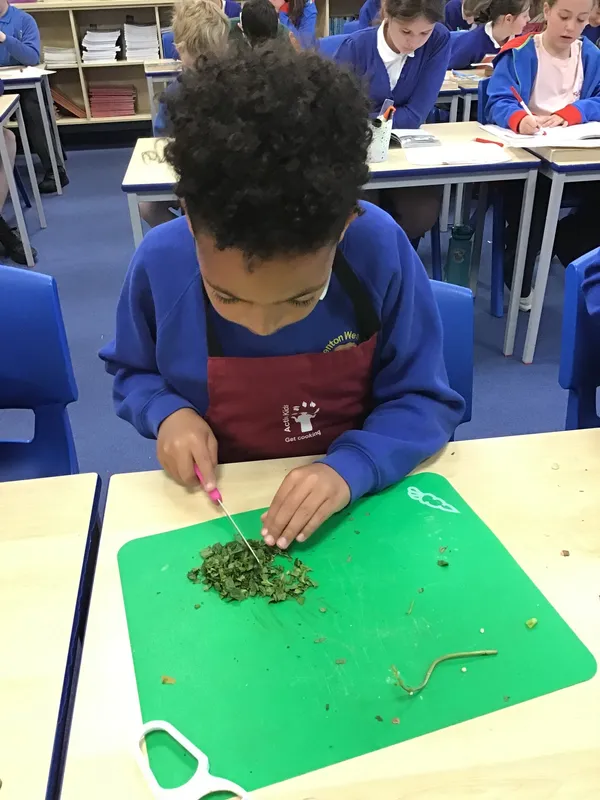
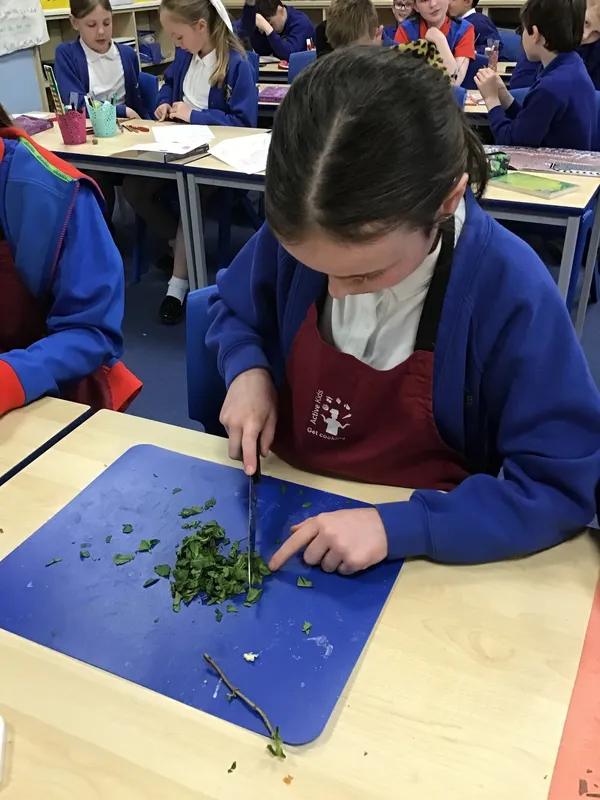
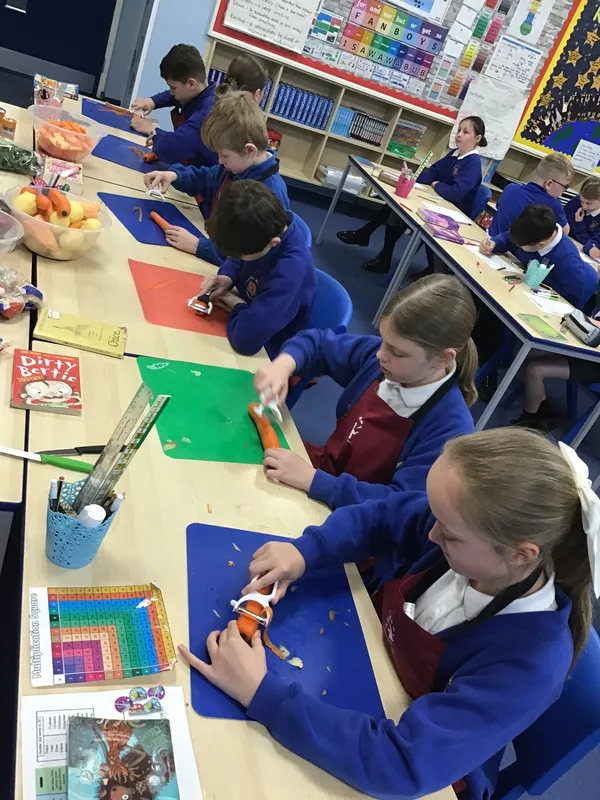
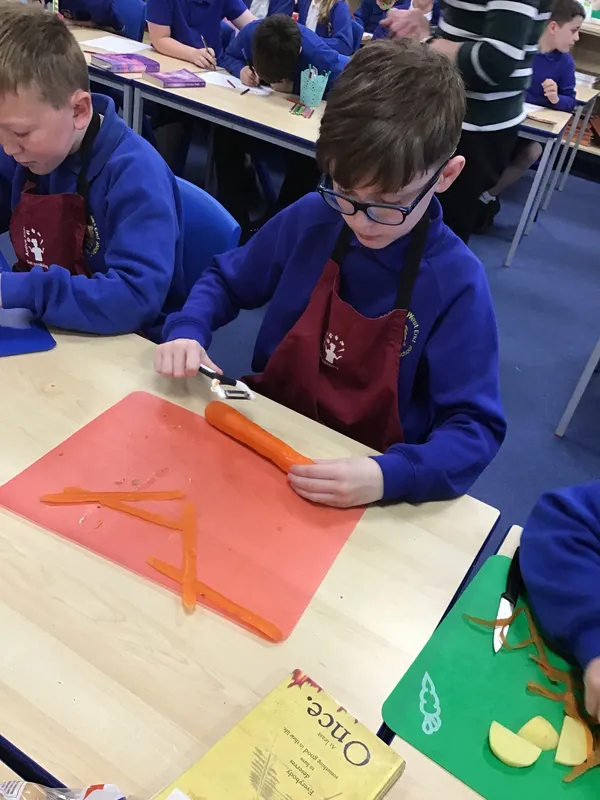
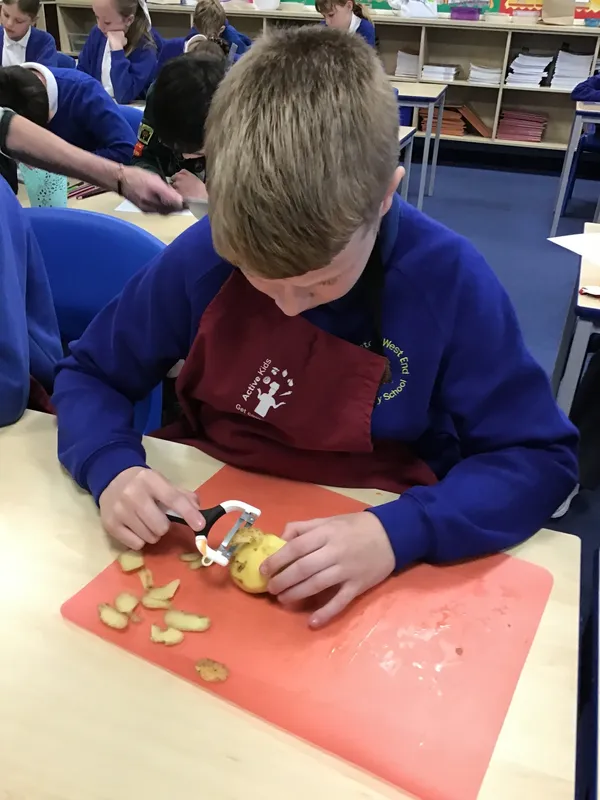
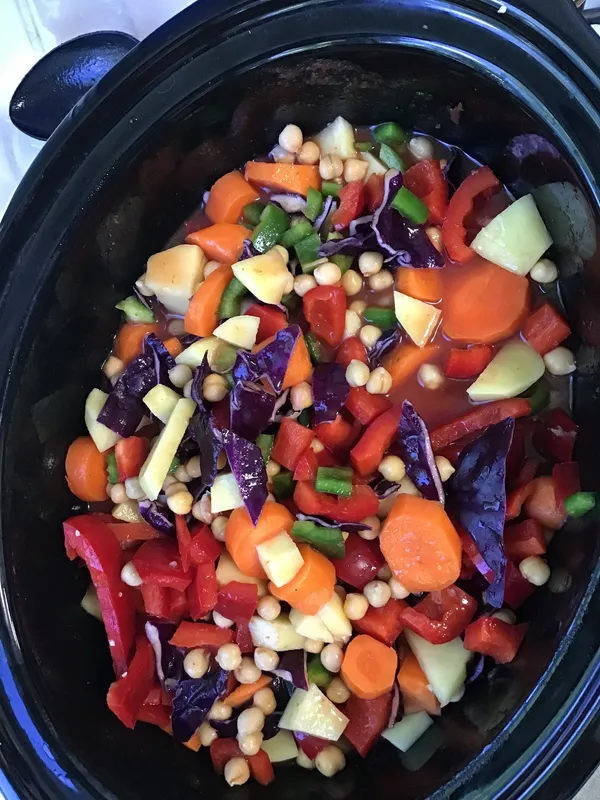
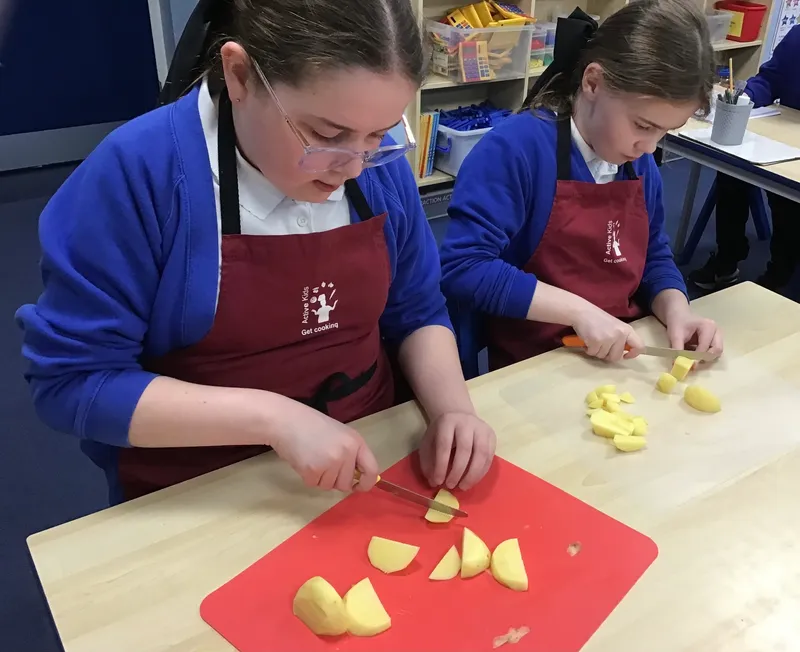
Our Year 5 pupils have been working incredibly hard in Design and Technology this term, following the process of research, design, make, and evaluate to create their own delicious stews.
As part of their learning, the children explored different types of stew and investigated a variety of vegetables. They then designed and prepared their own recipes, developing important cooking skills along the way. This included practising safe techniques for cutting, peeling, and preparing ingredients.
The highlight for many was, of course, the tasting! The children thoroughly enjoyed trying their creations and evaluating the flavours, textures, and overall success of their dishes.
Well done, Year 5, for your hard work and enthusiasm!
March 2026
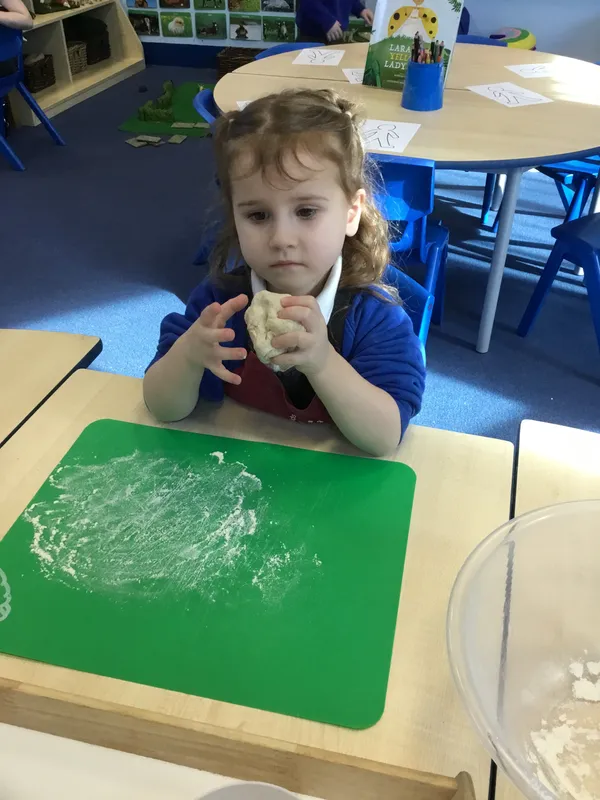
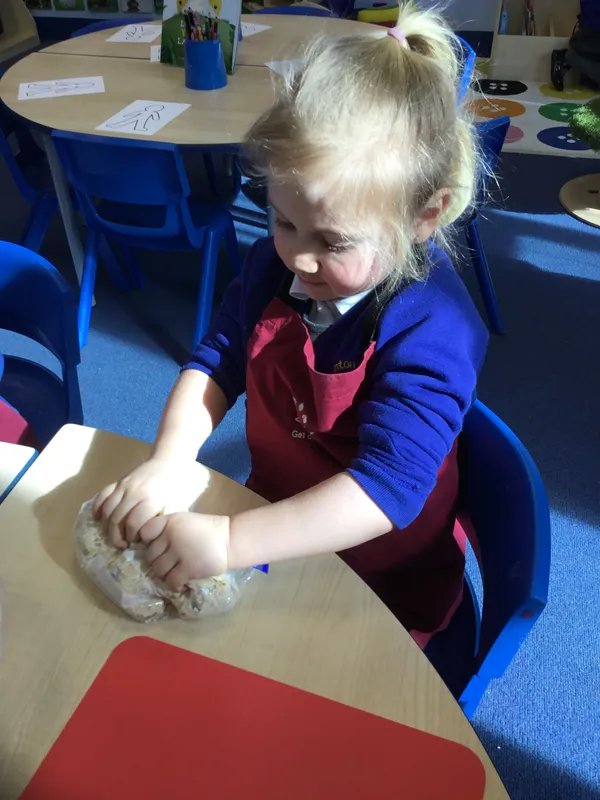
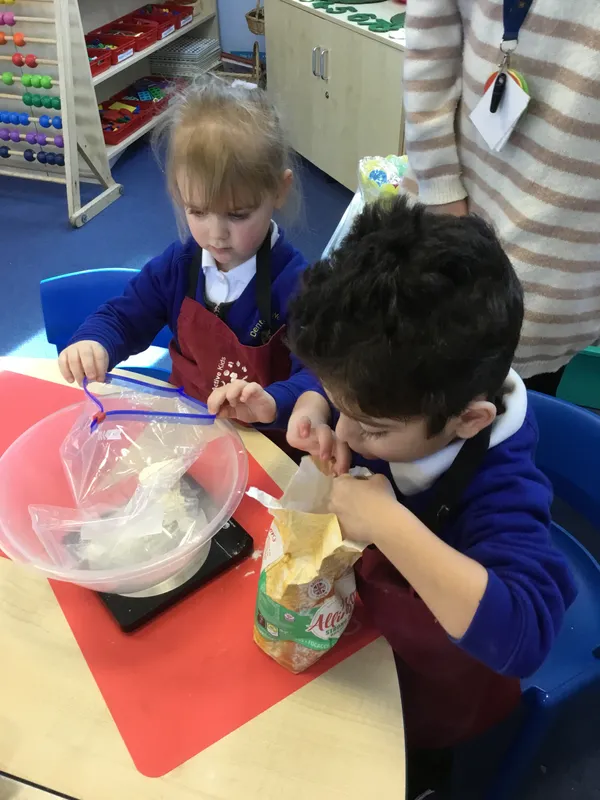
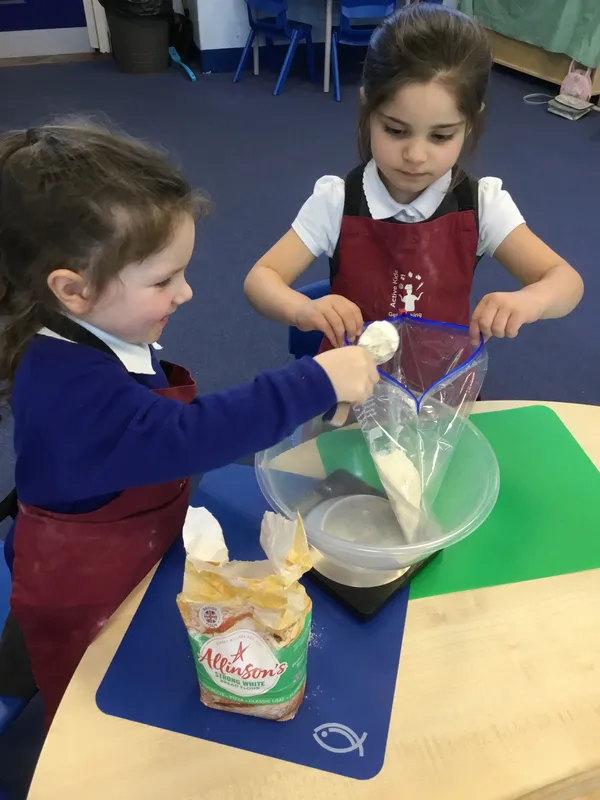
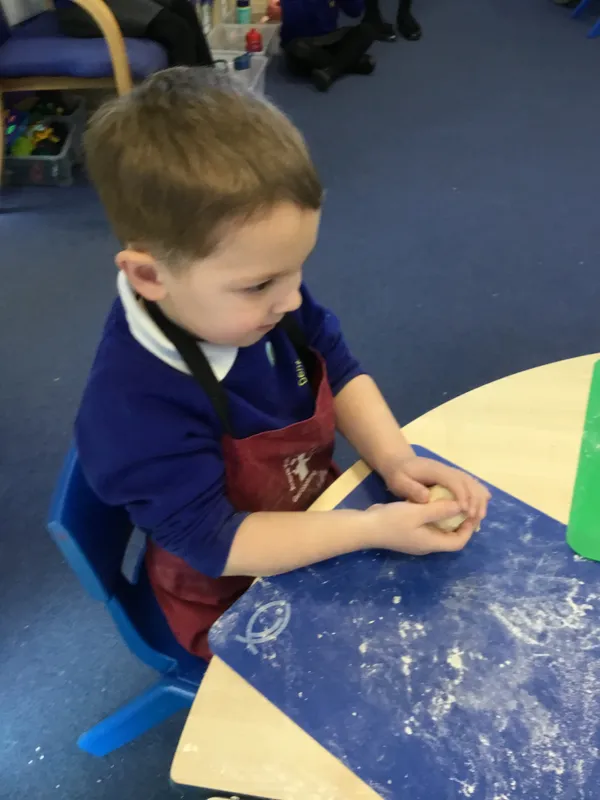
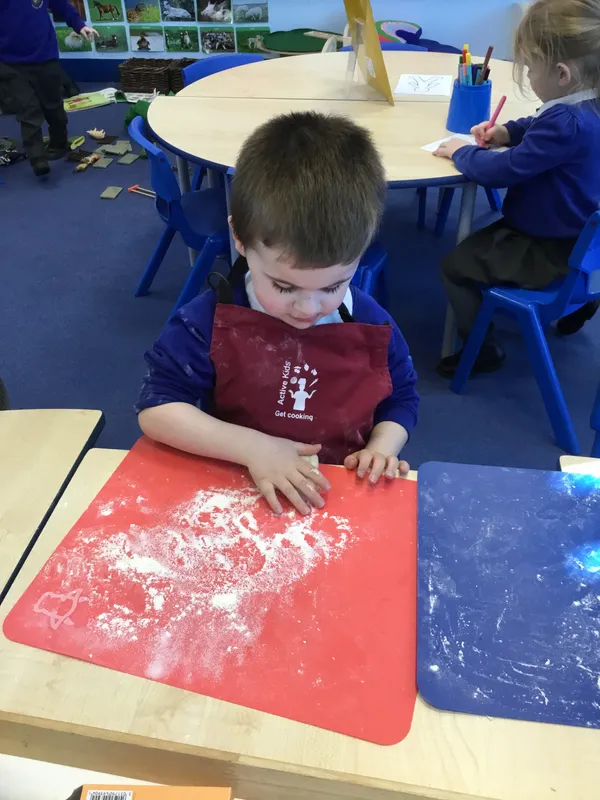
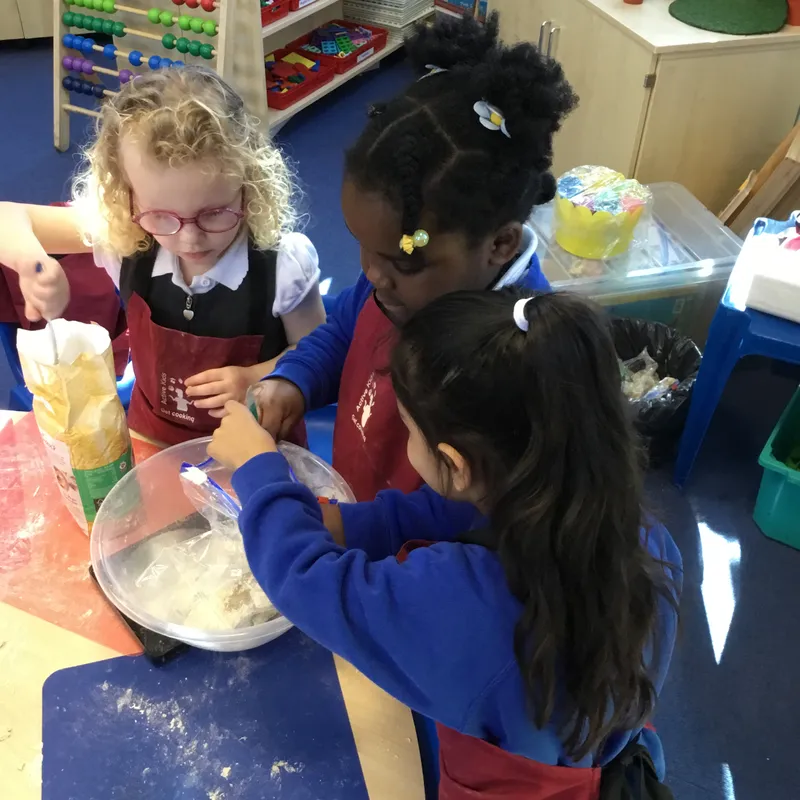
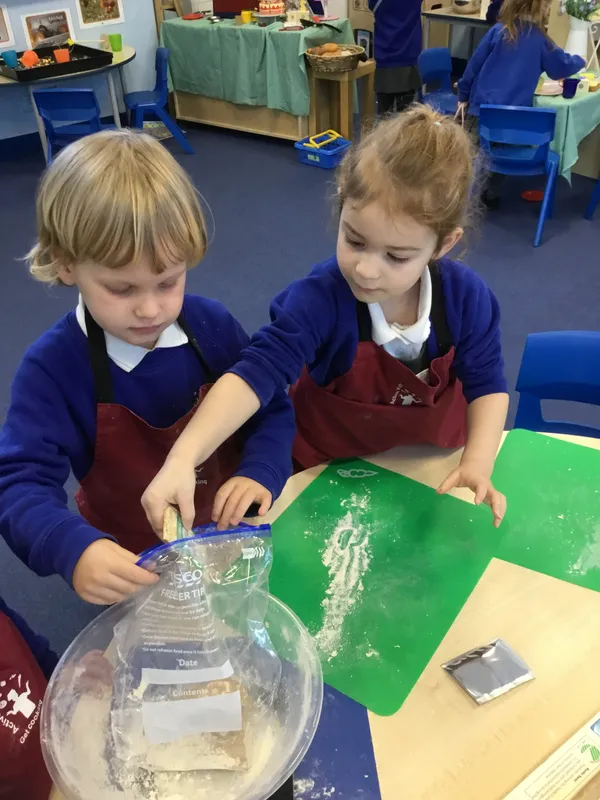
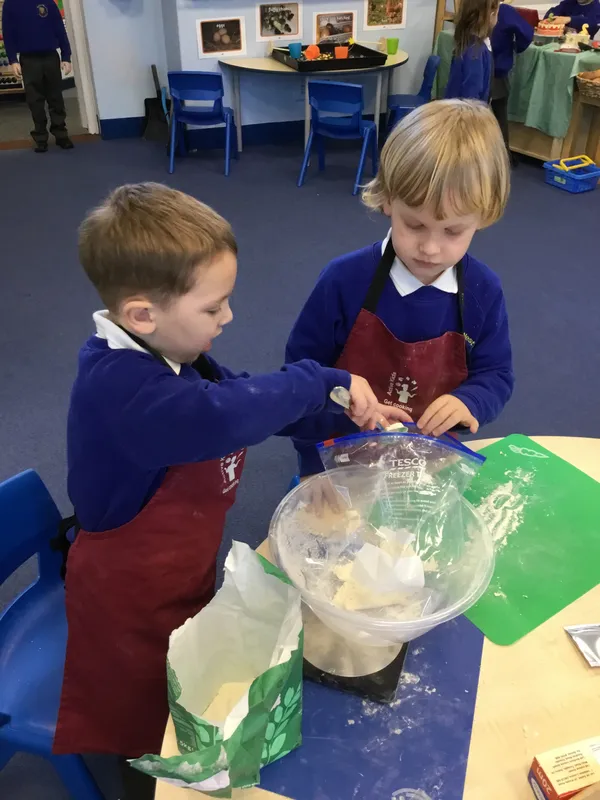
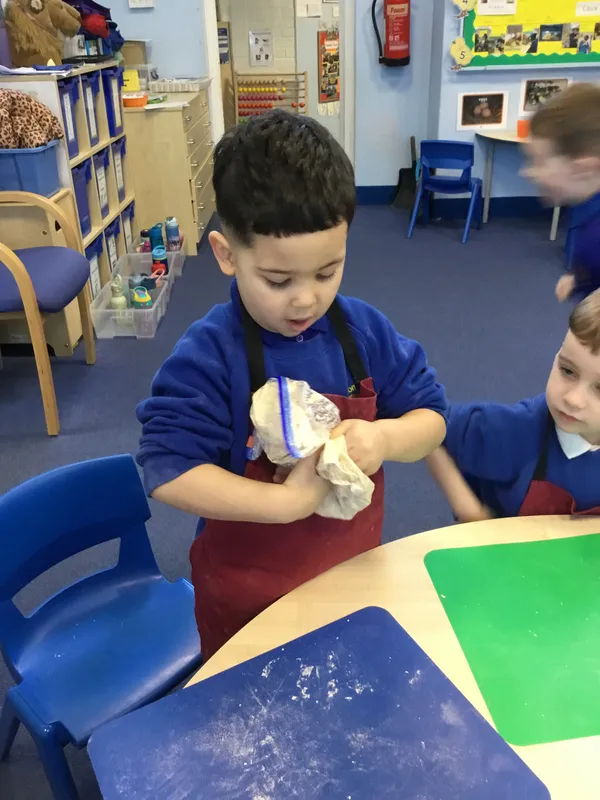
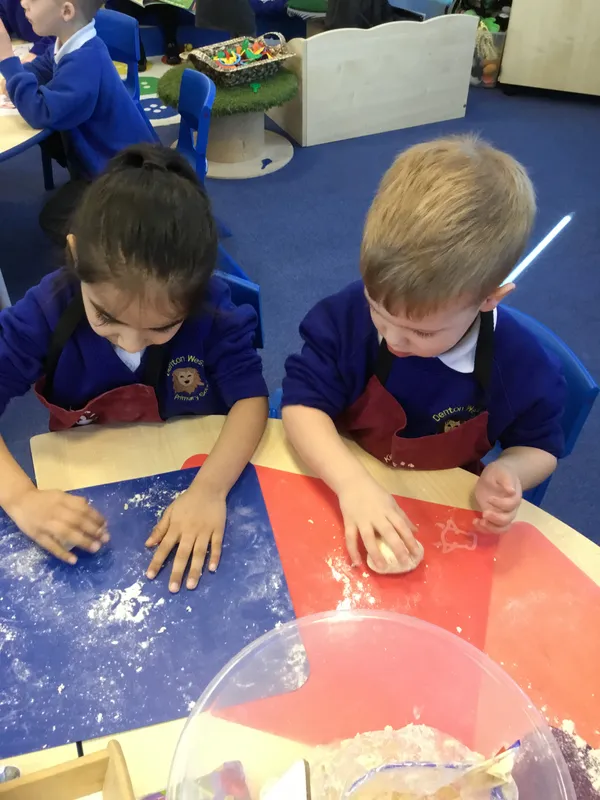
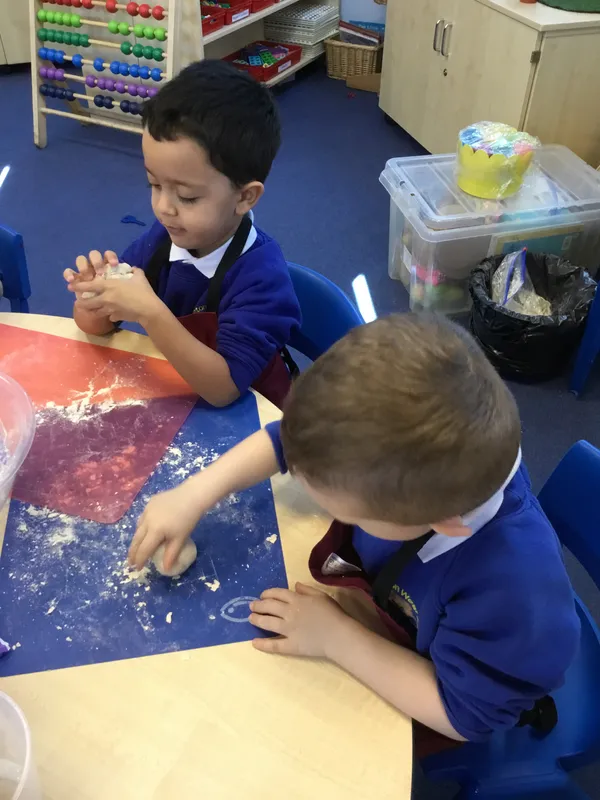
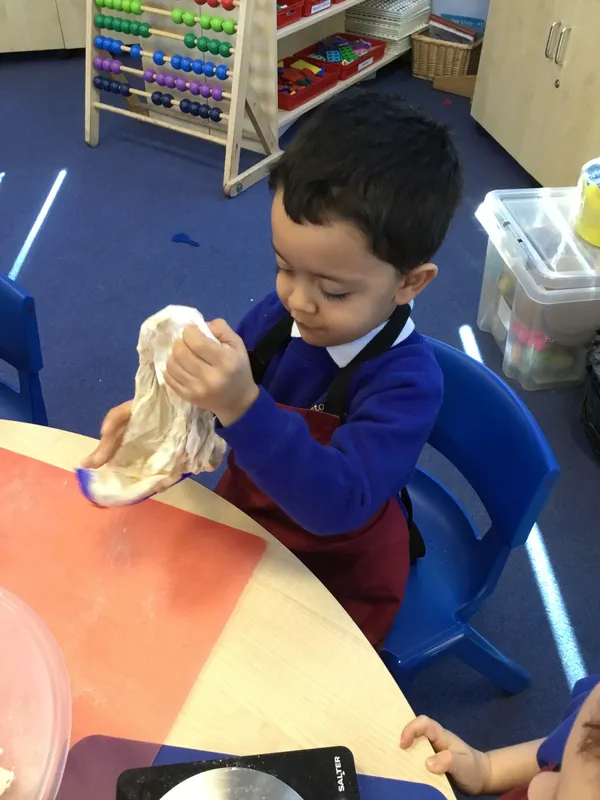
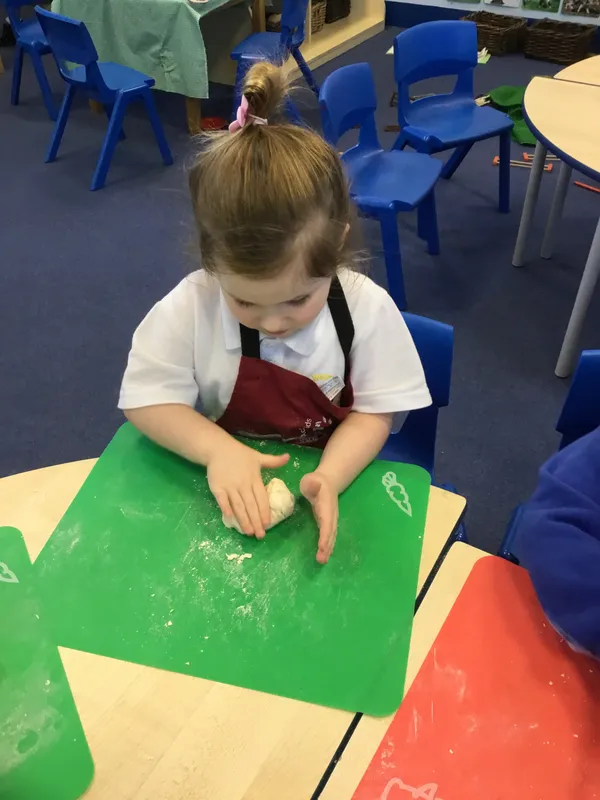
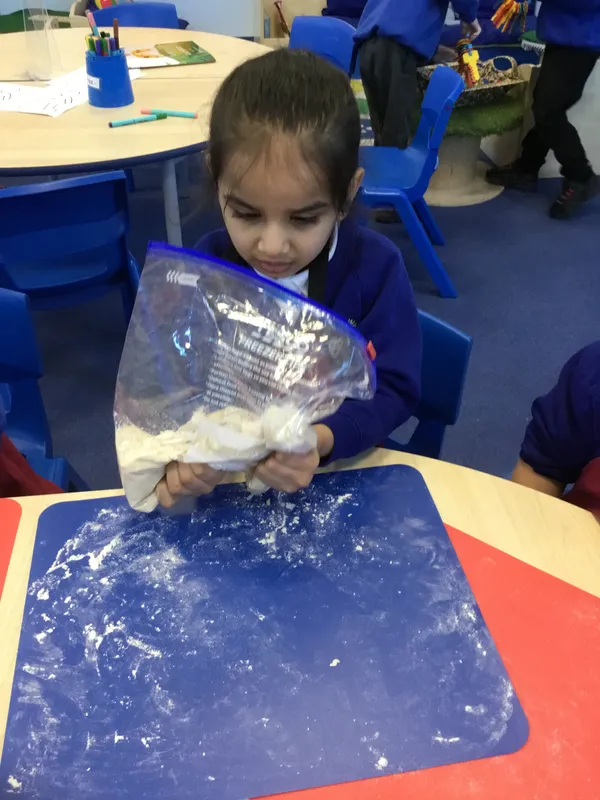
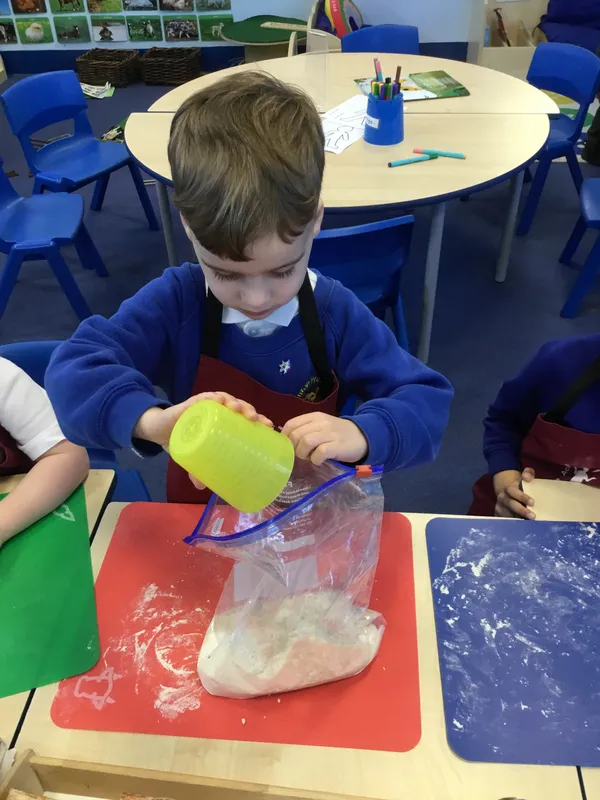
The Nursery children made bread rolls. The measured out the ingredients, mixed and kneaded the dough and rolled the dough into small balls. They took them home to eat.
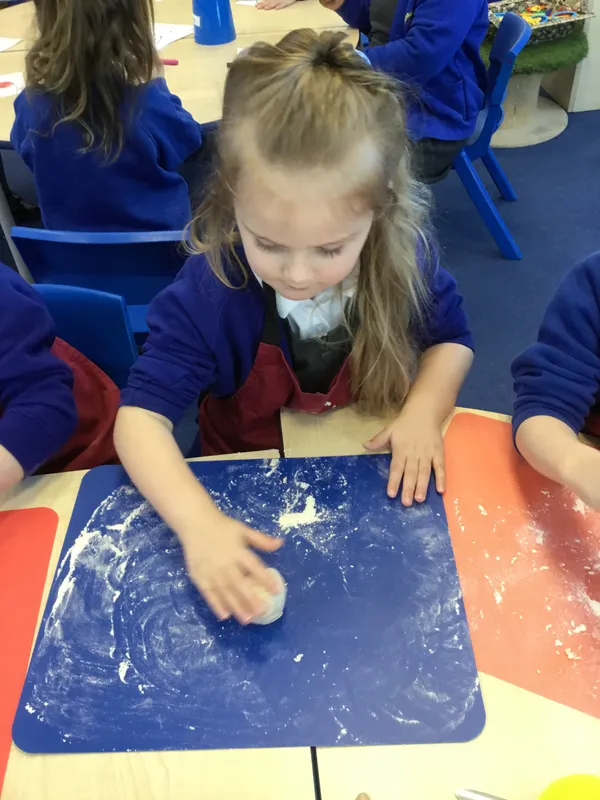
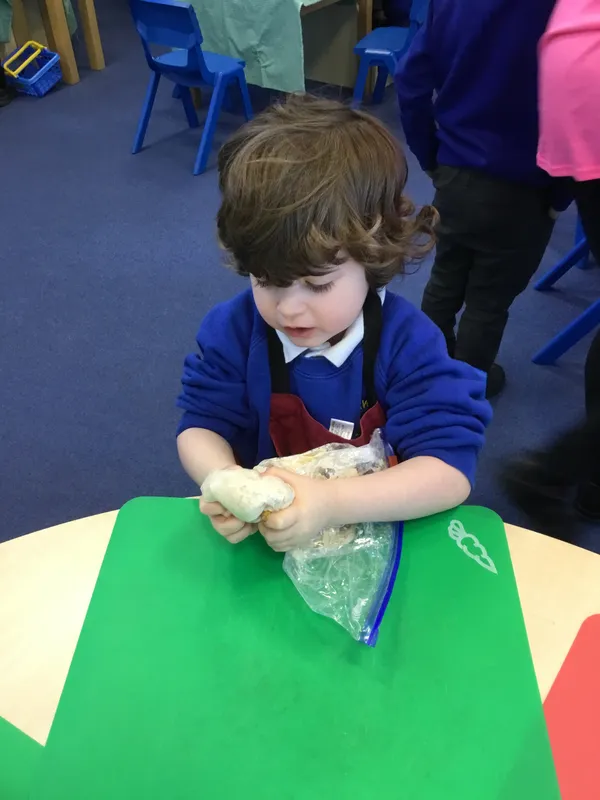
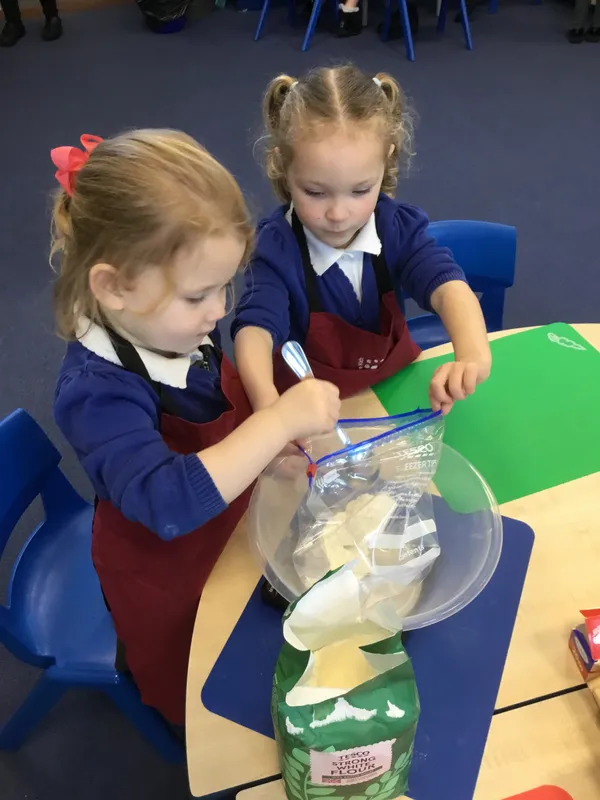
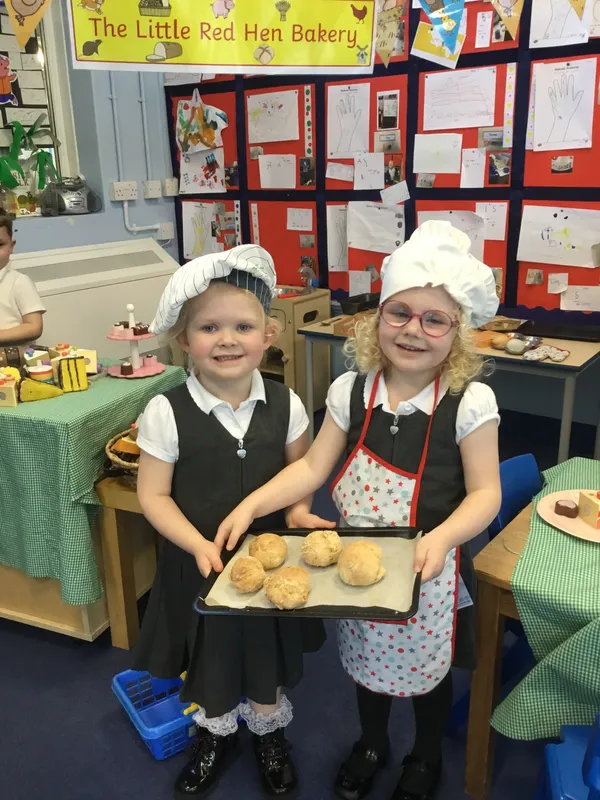
March 2026
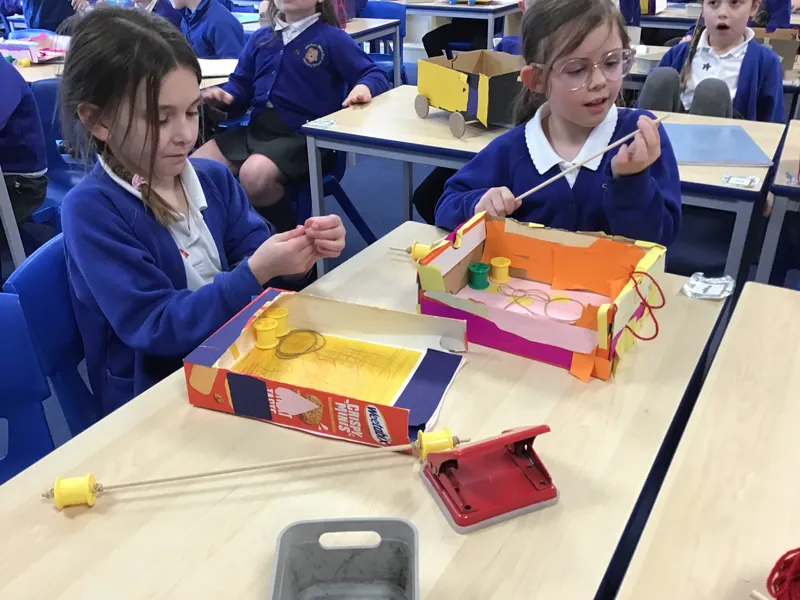
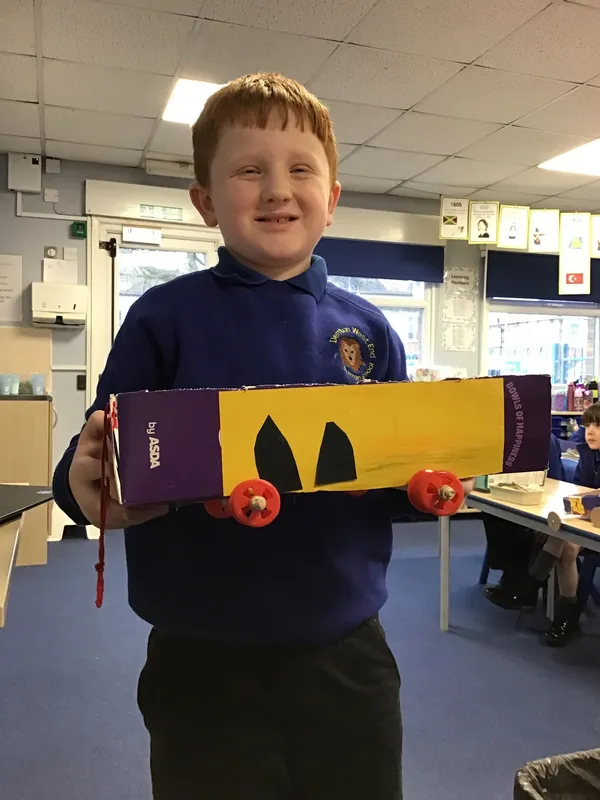
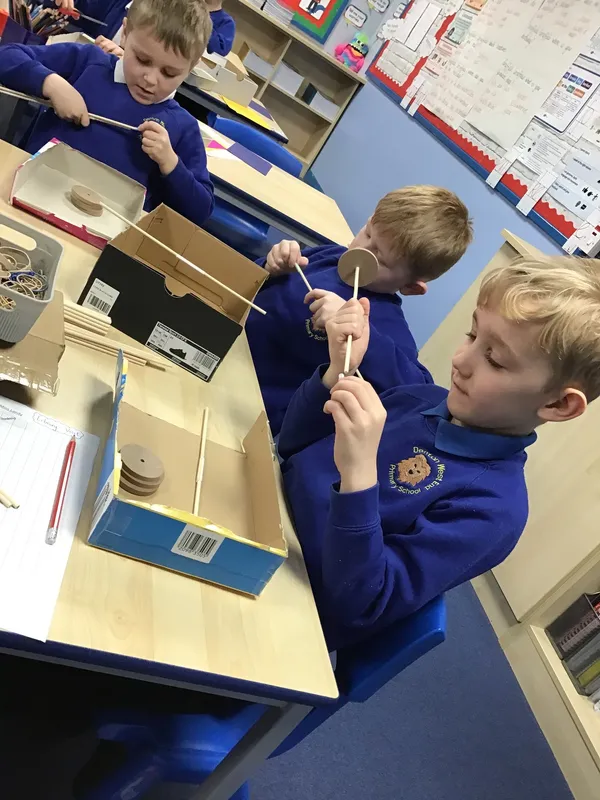
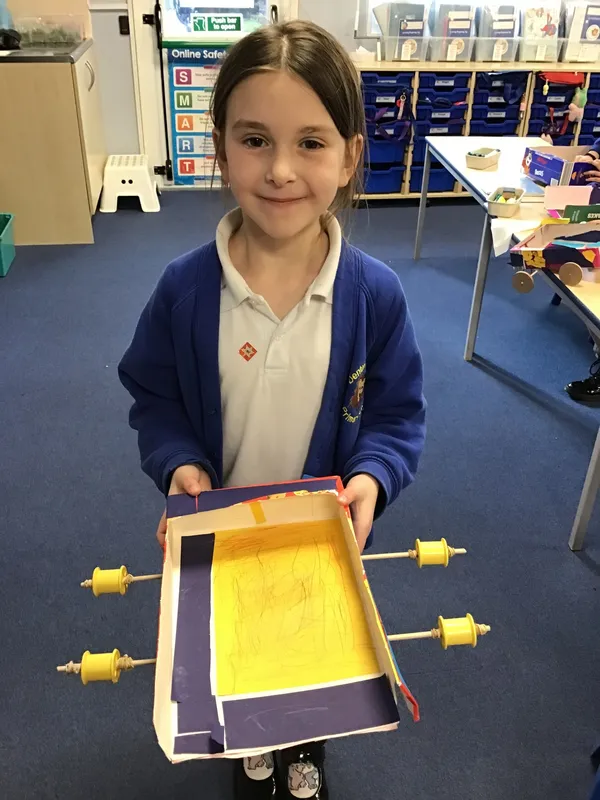
In Year 2 Design and Technology, the children explored mechanisms by researching, designing, making, and evaluating a garden trolley, learning how wheels and axles work while developing their creativity, problem-solving, and practical skills.
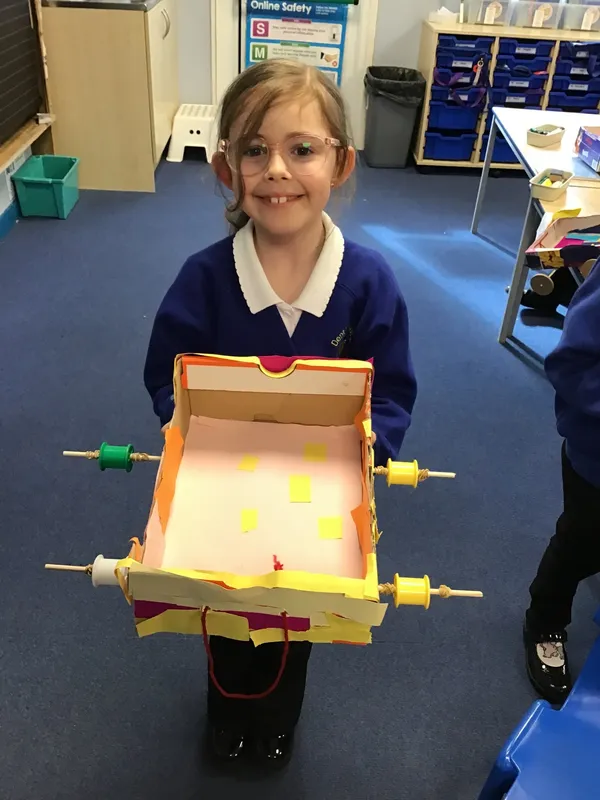
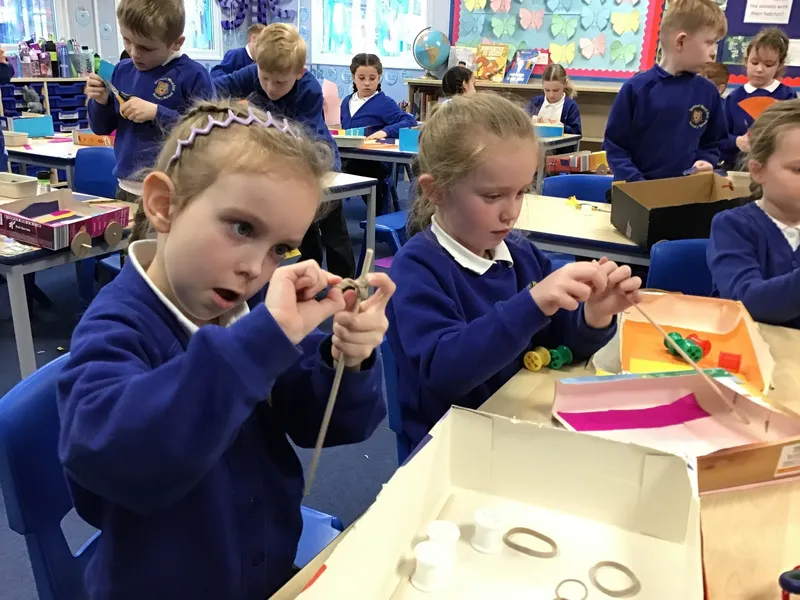
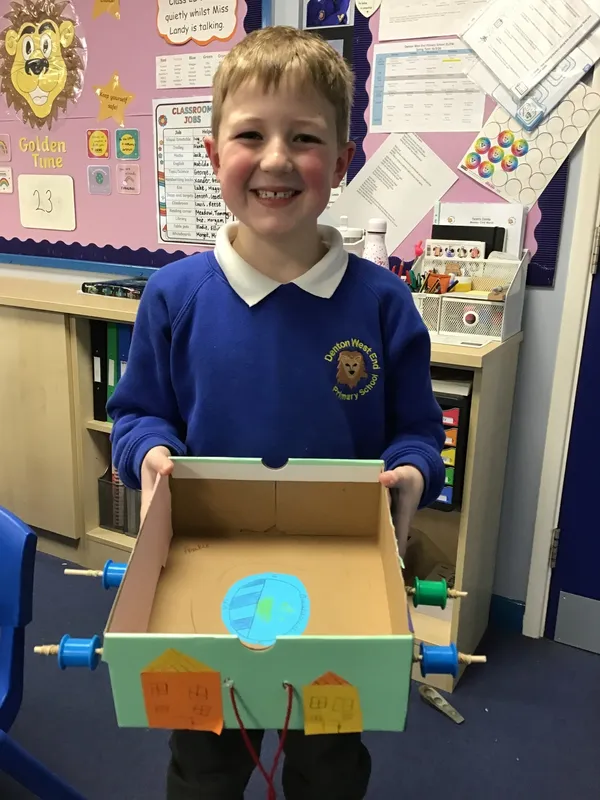
February 2026
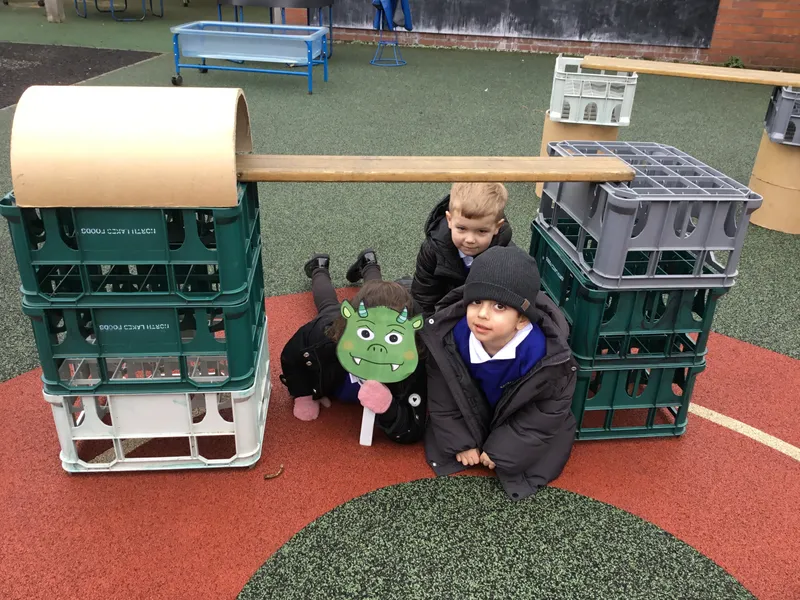
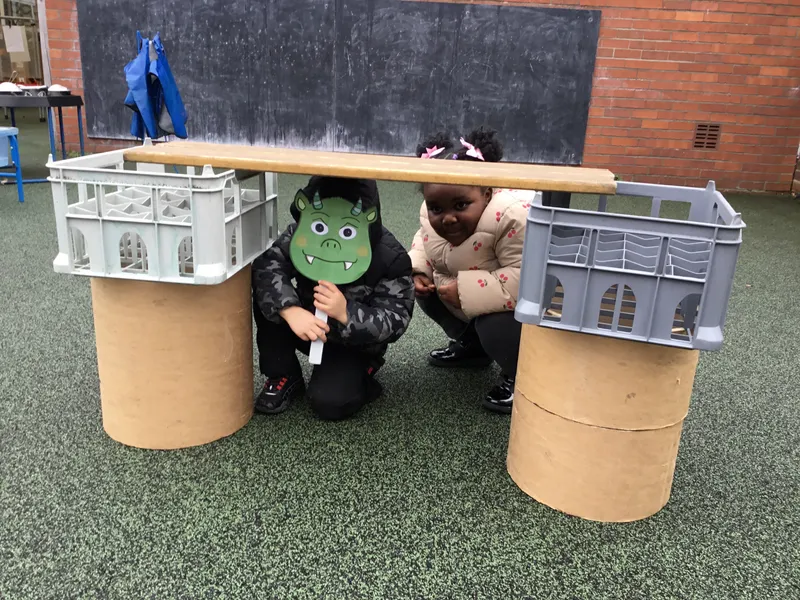
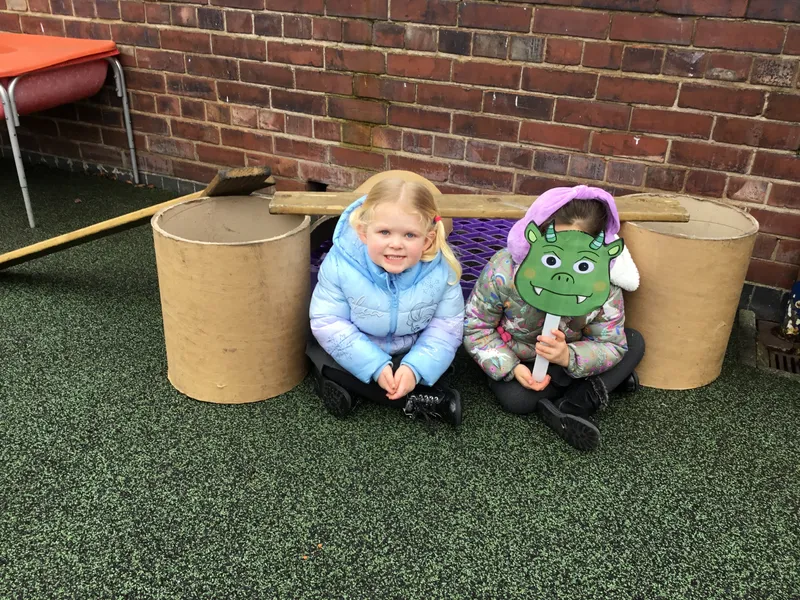
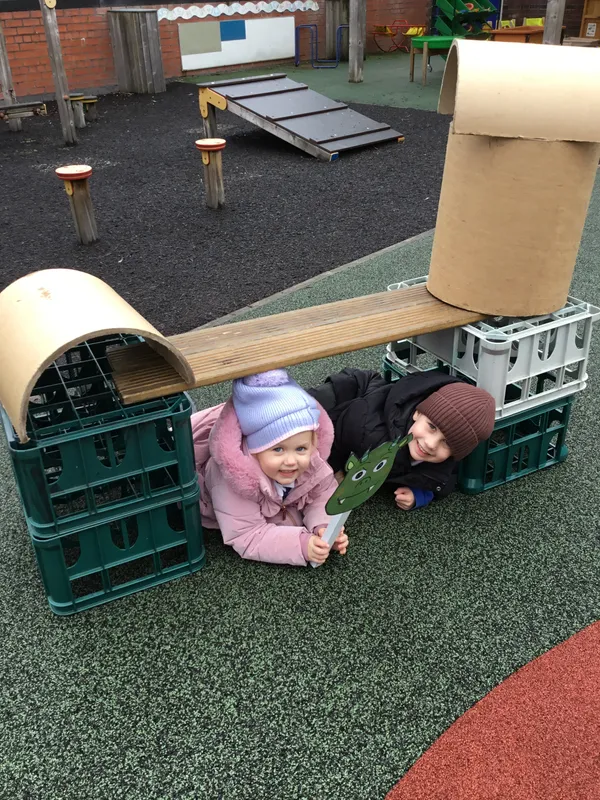
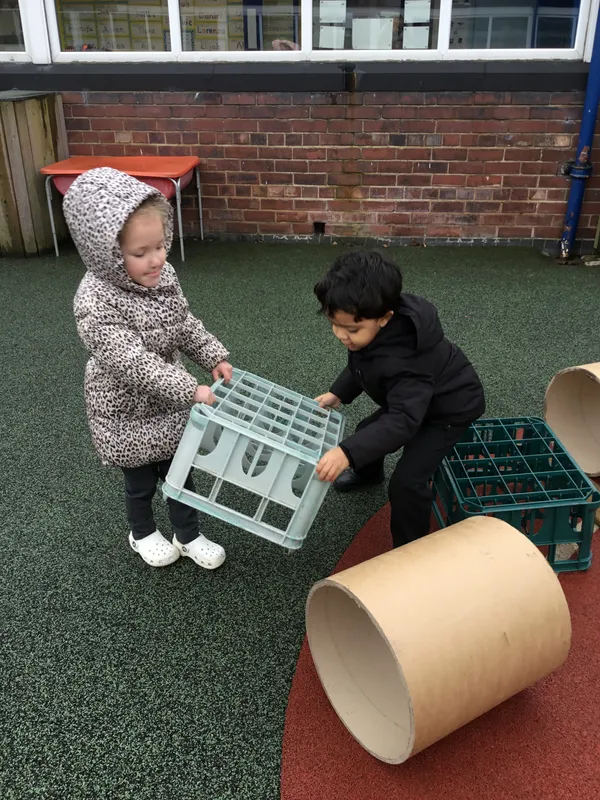
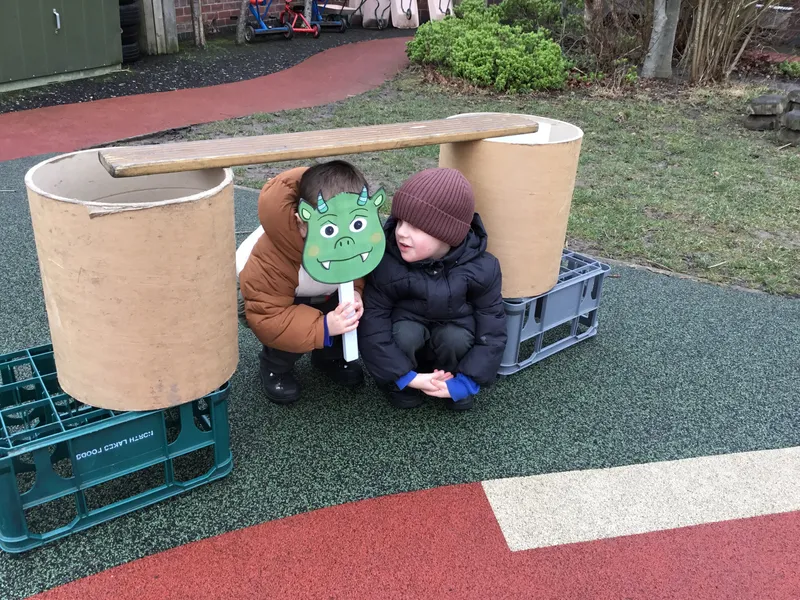
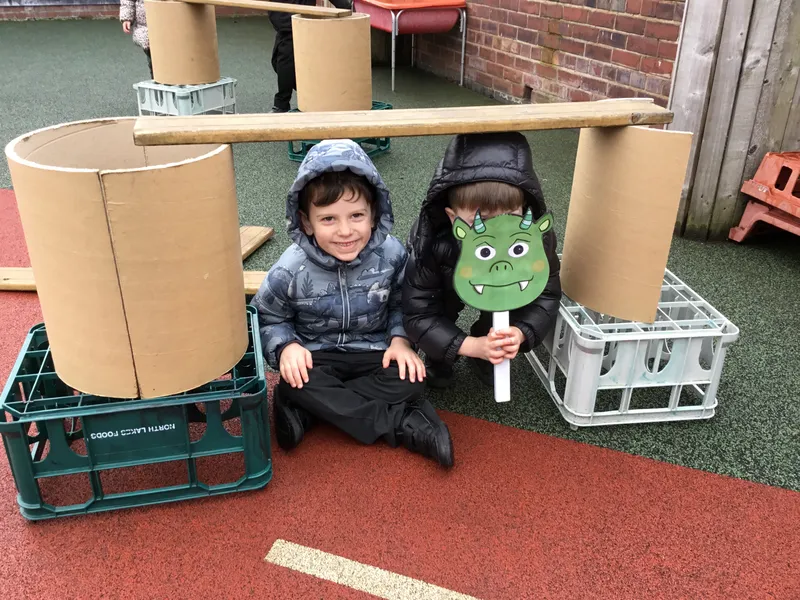
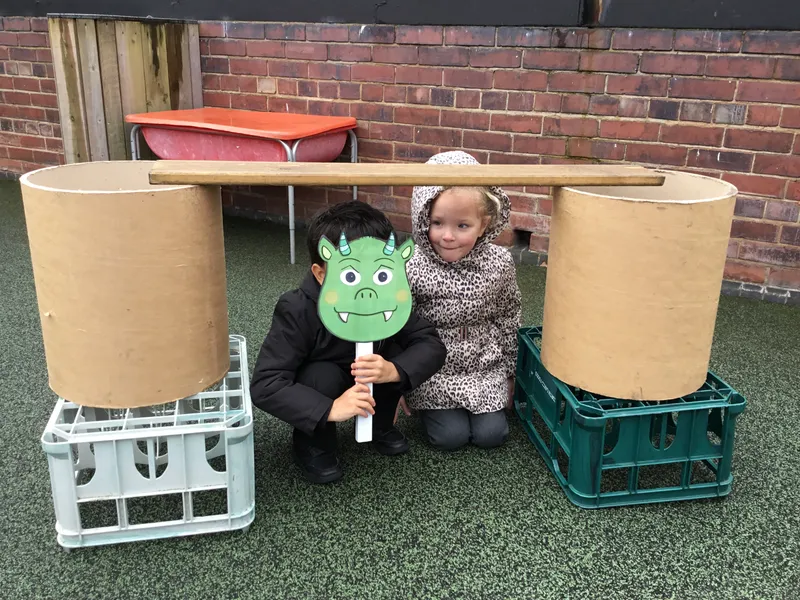
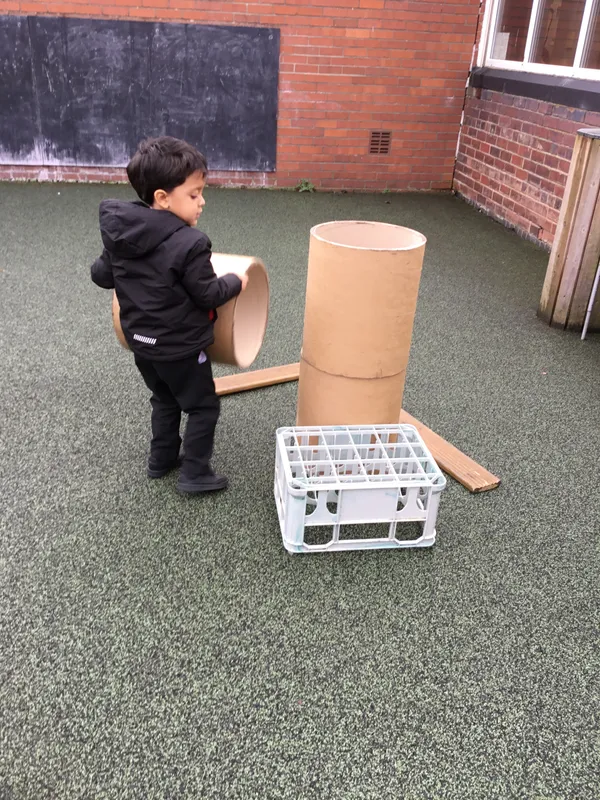
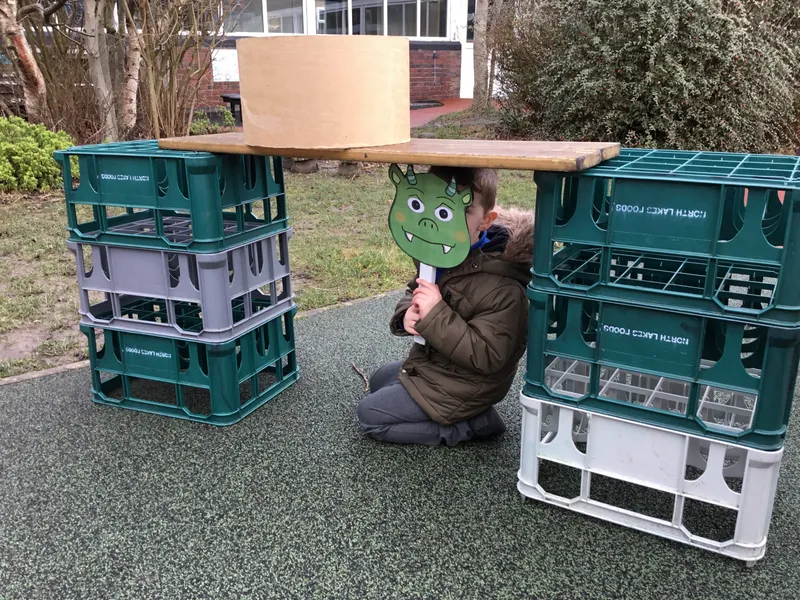
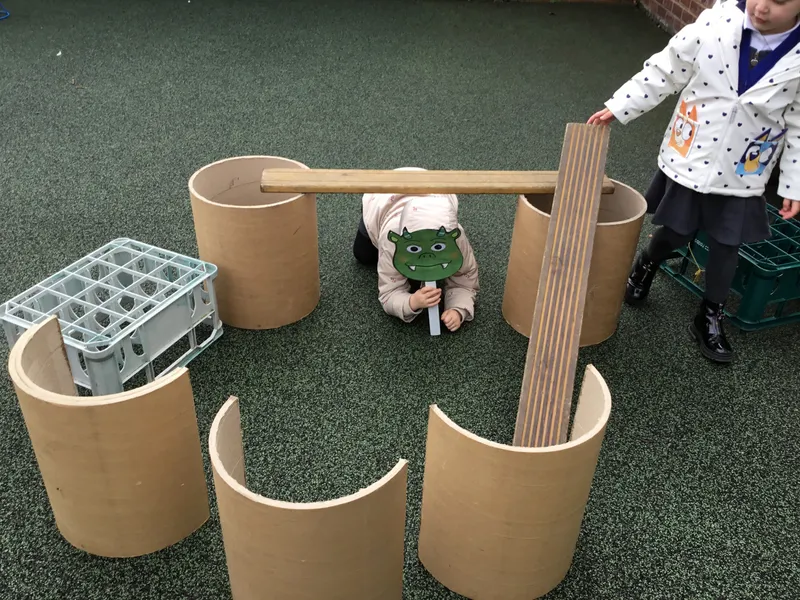
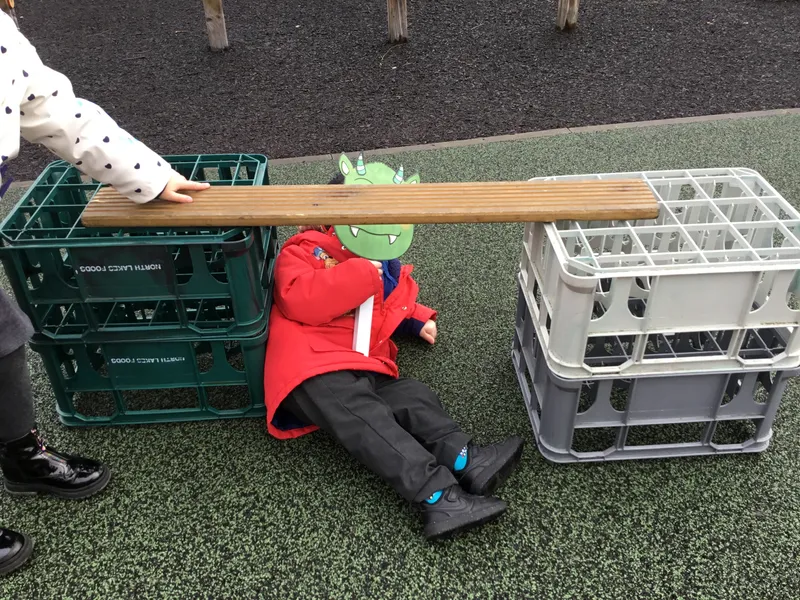
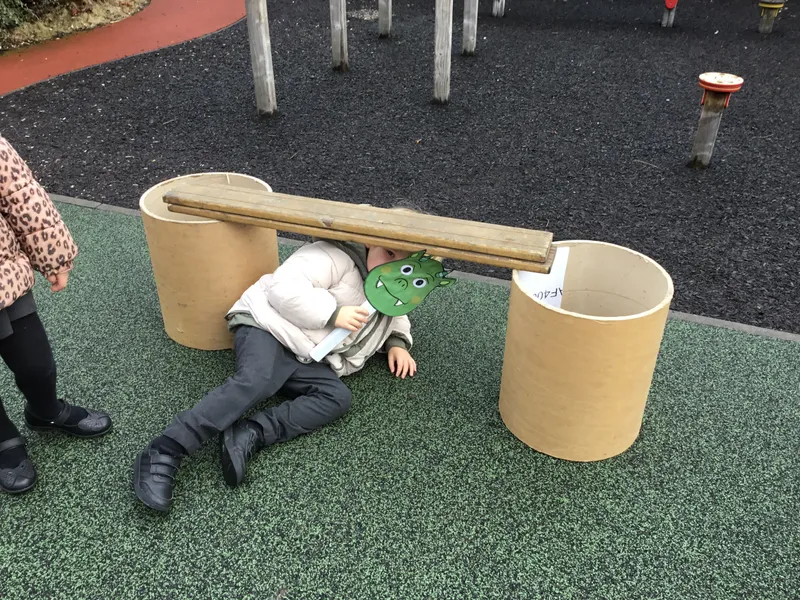
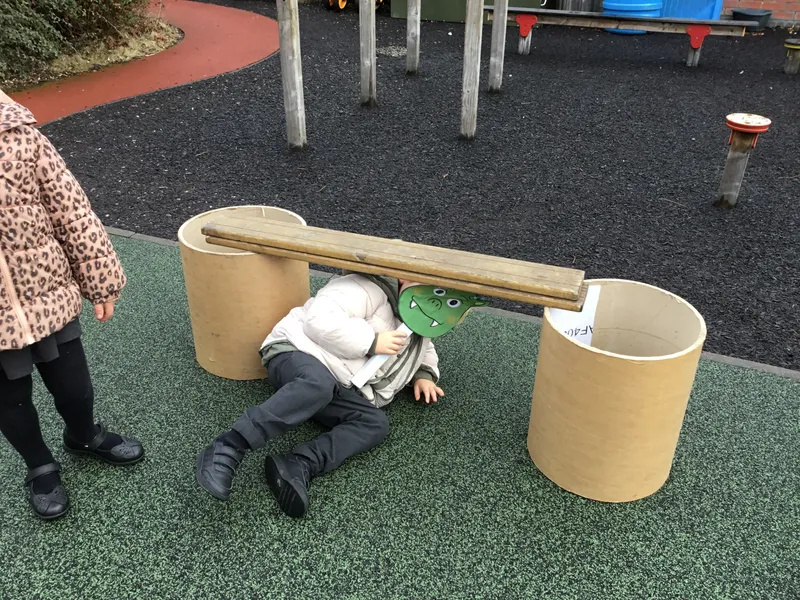
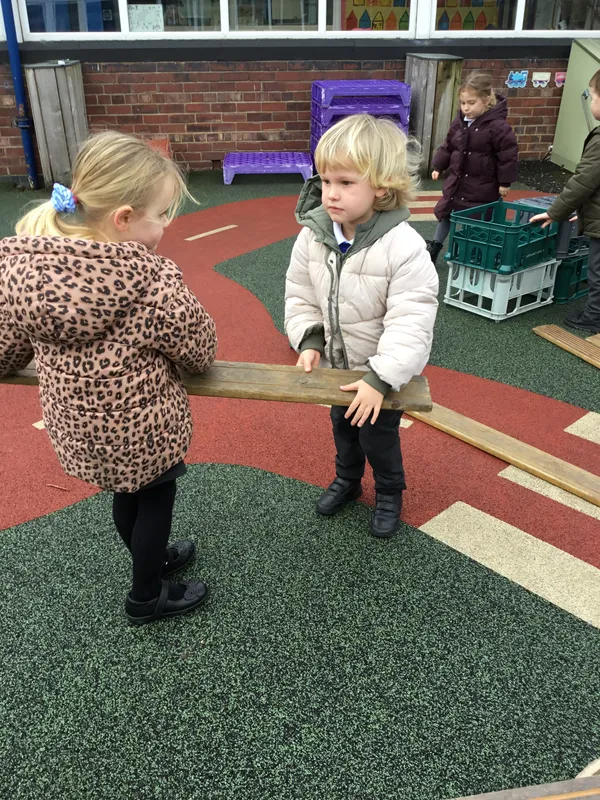
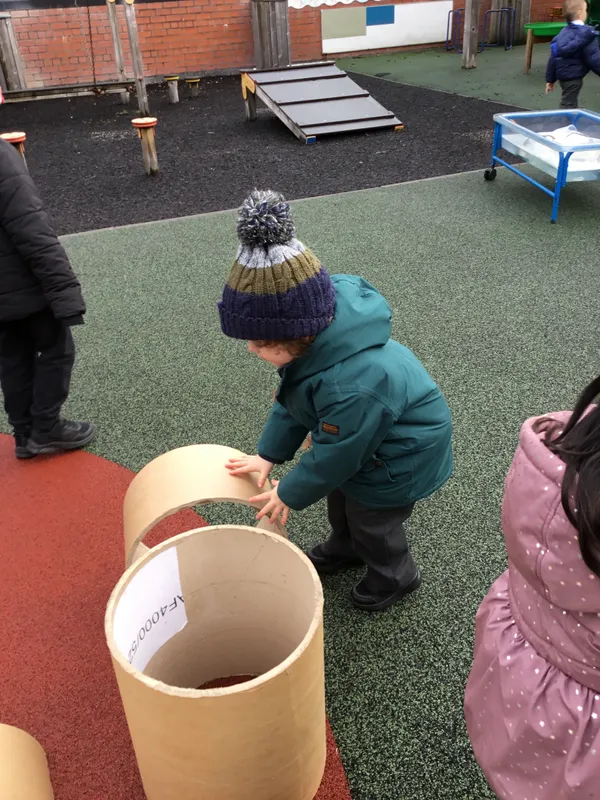
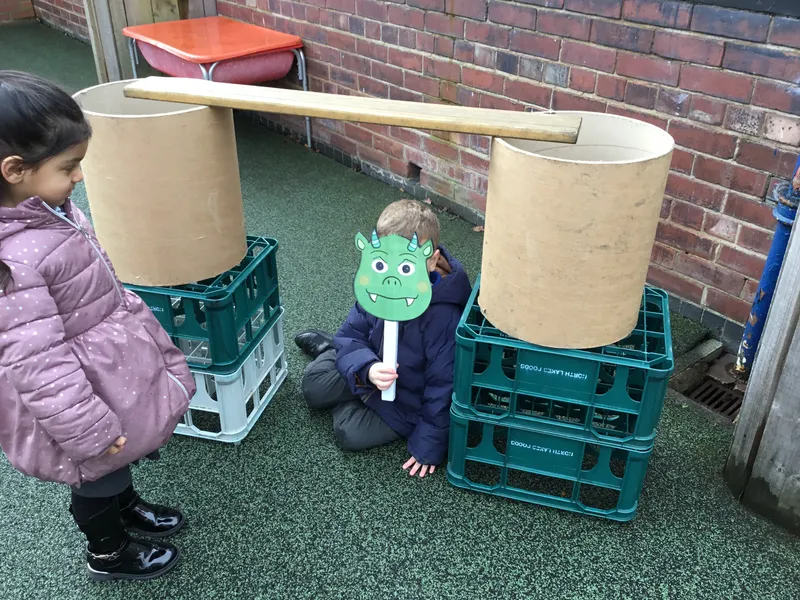
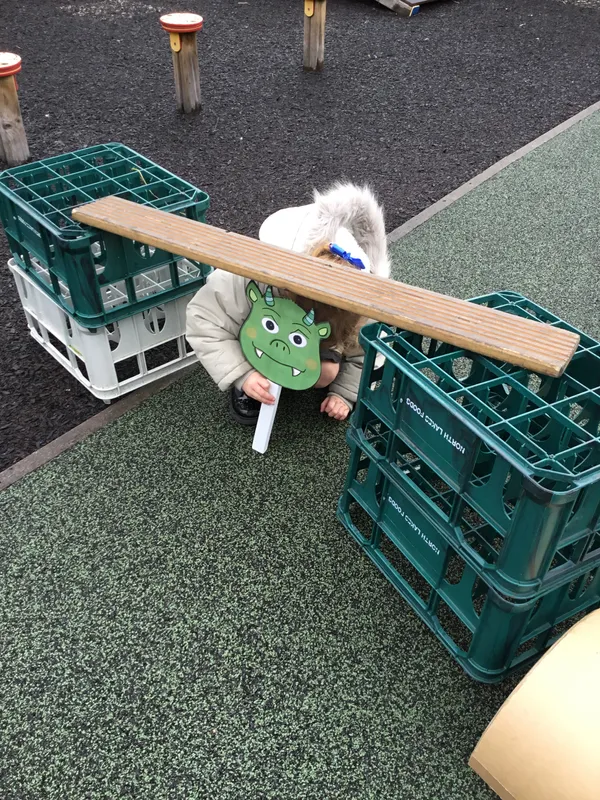
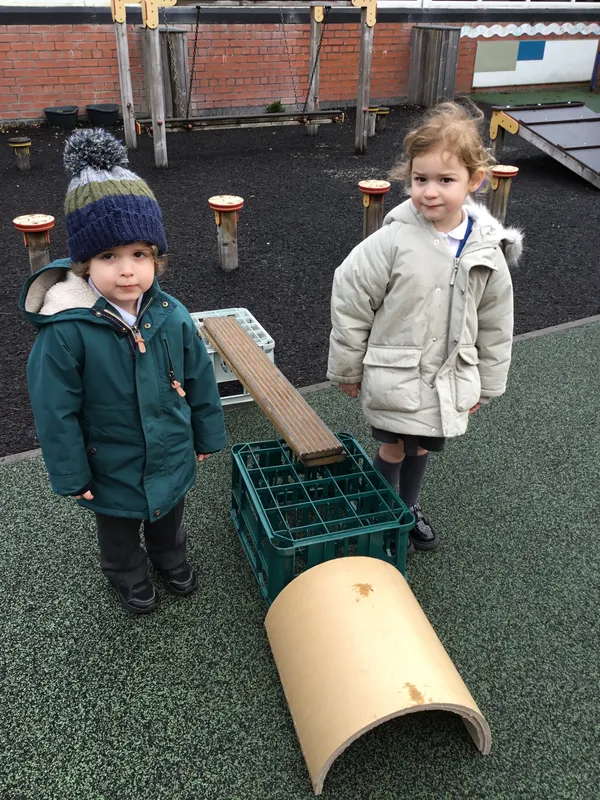
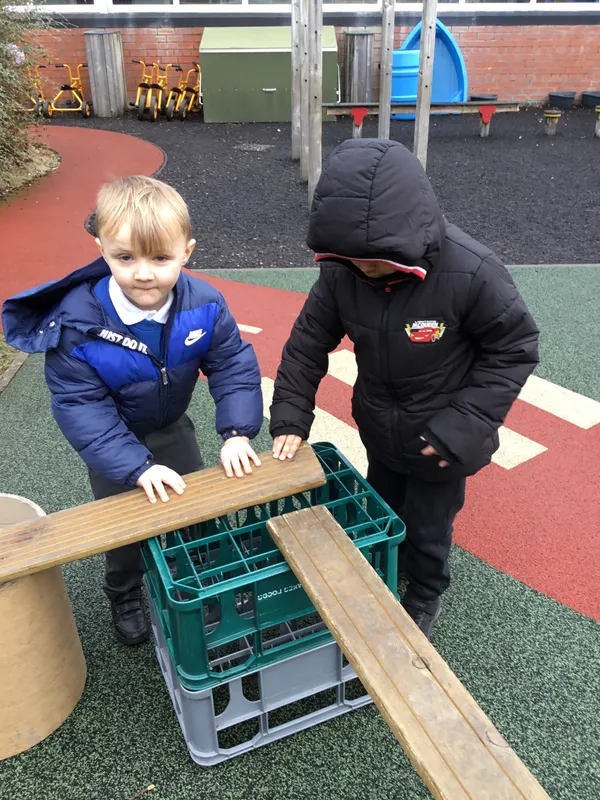
The nursery children worked together outside to build their own bridges using a range of recycled materials such as cardboard tubes, plastic crates and planks wood. They discussed their ideas with each other, experimented with different shapes, and explored how to make their bridges strong and tall enough.
Once they were happy with their creations, they tested them by checking whether the “troll” could fit underneath—linking the activity to the story The Three Billy Goats Gruff.
February 2026
In Year 1 Design and Technology, the children followed the design process to design, make, and evaluate their own hats, using materials such as card and glue while developing their cutting and measuring skills.
December 2025
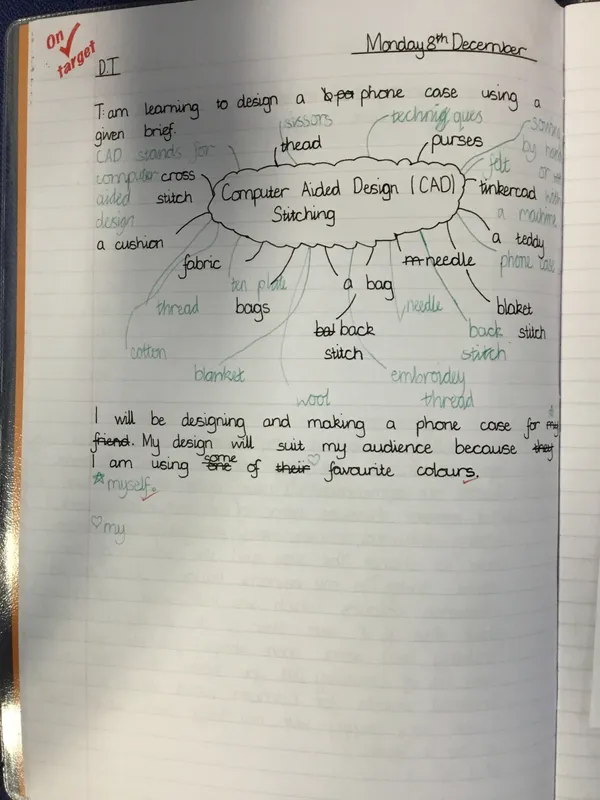
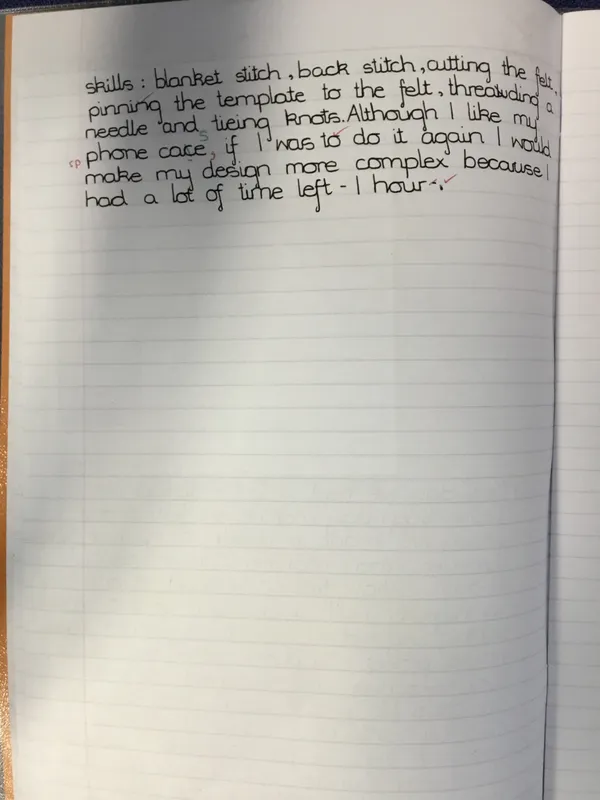
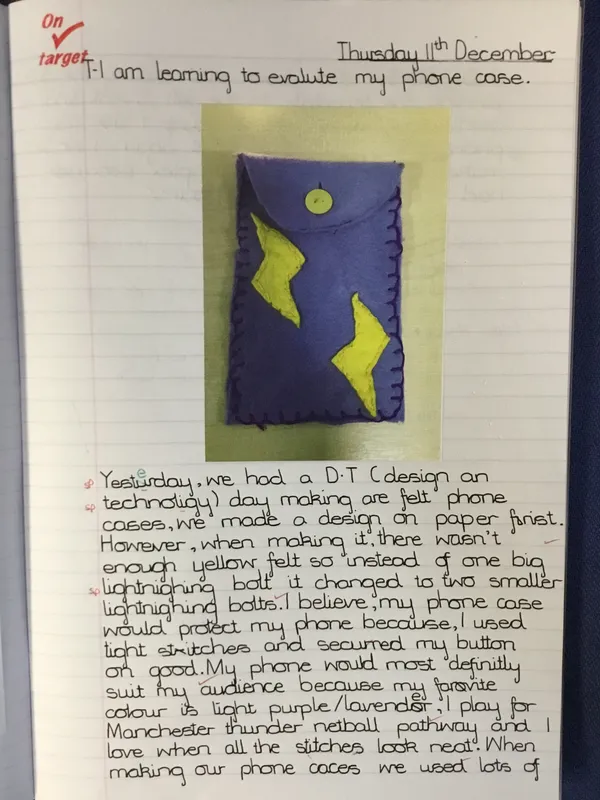
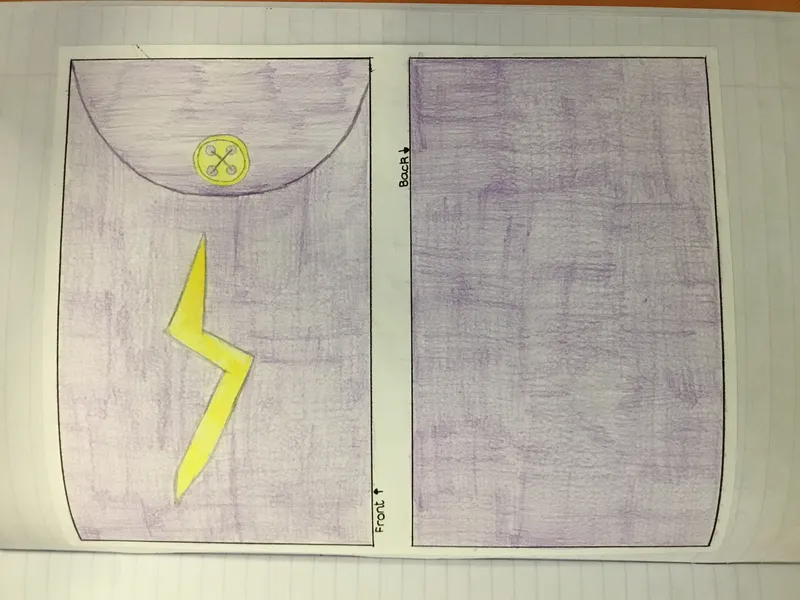
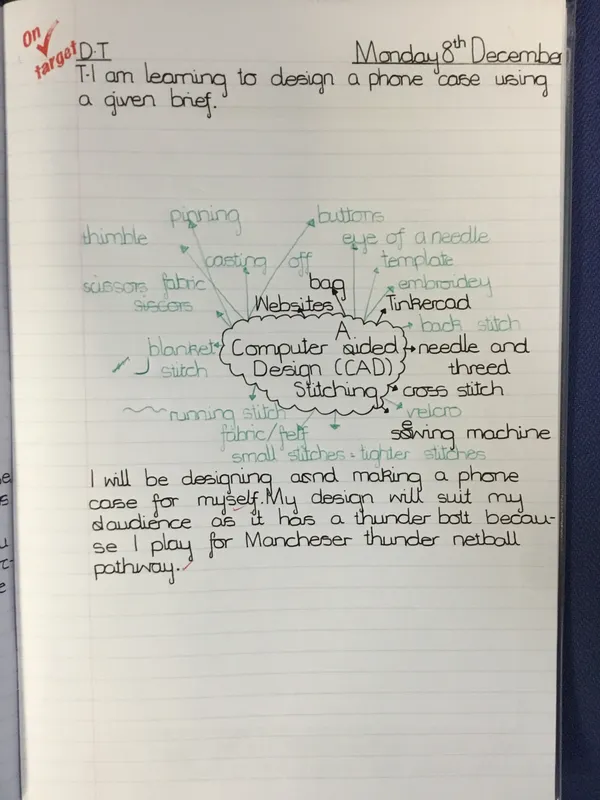
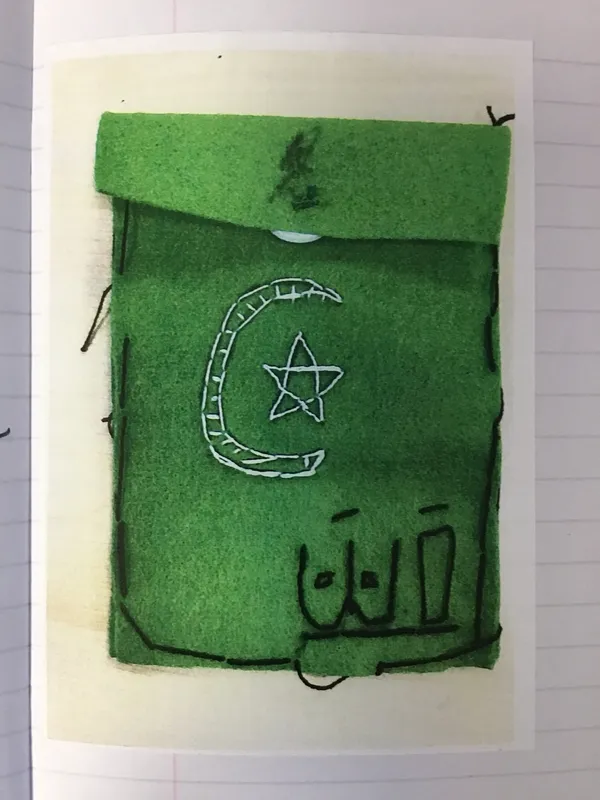
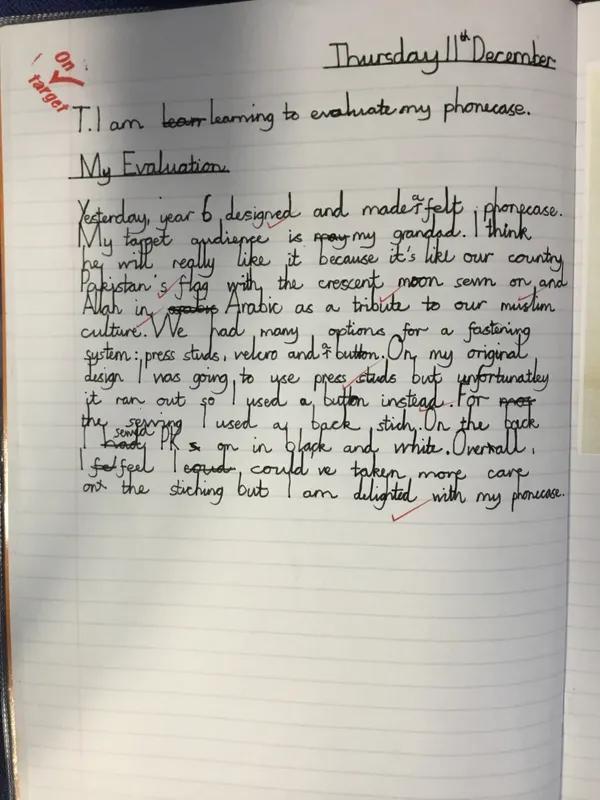
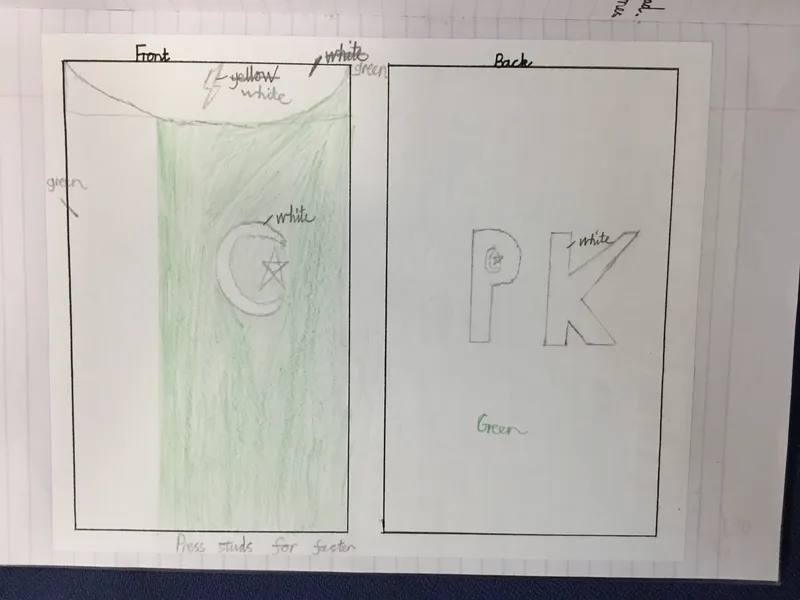
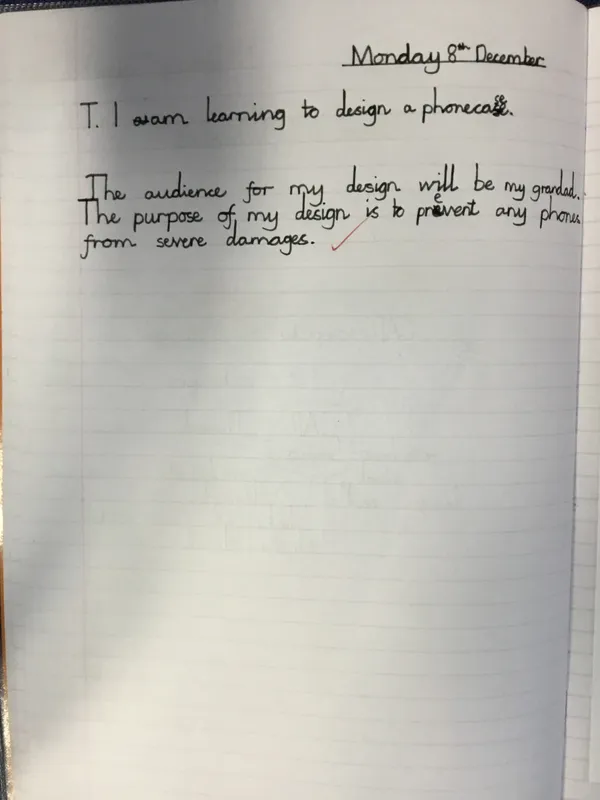
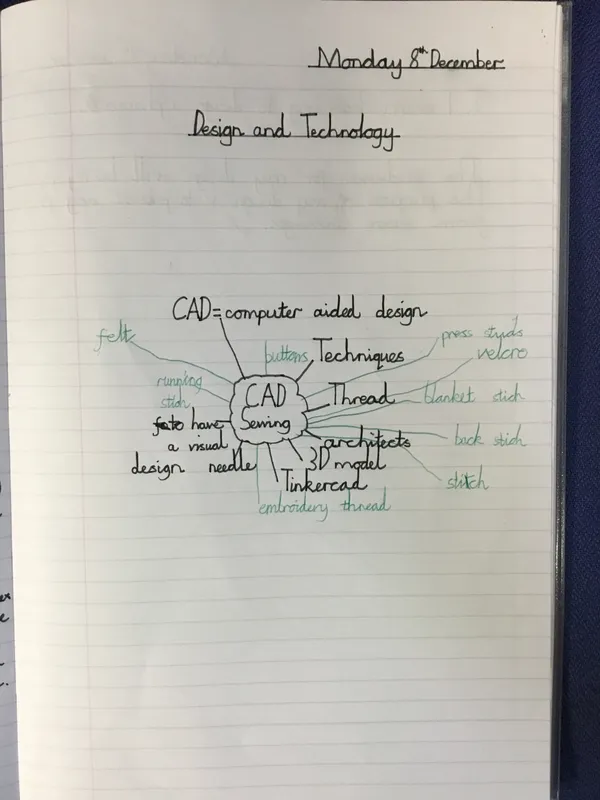
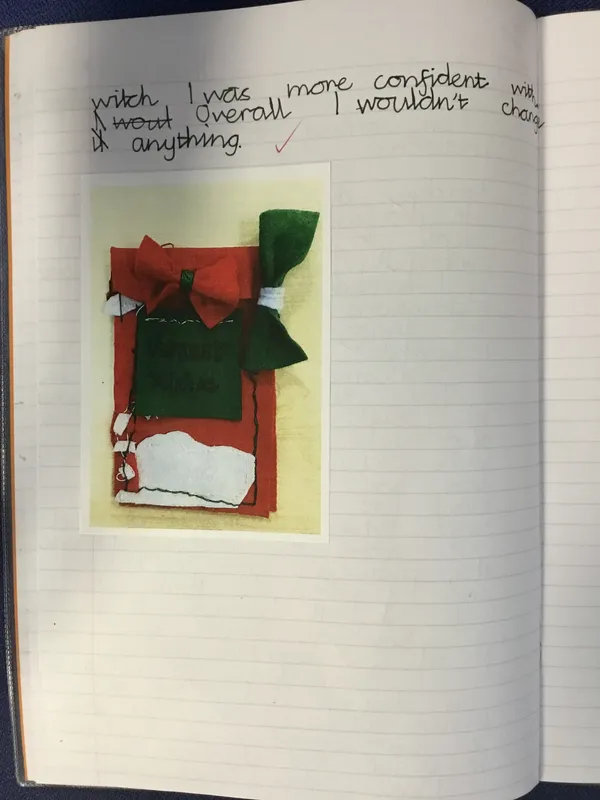
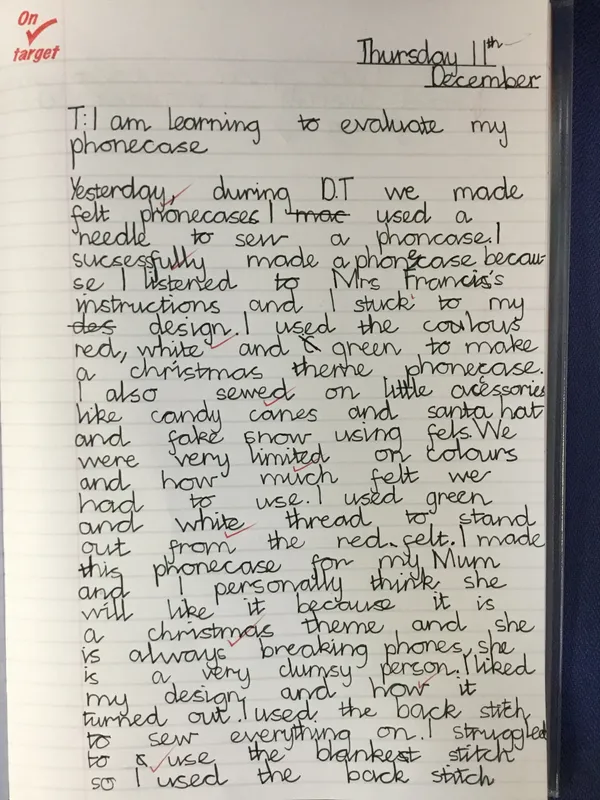
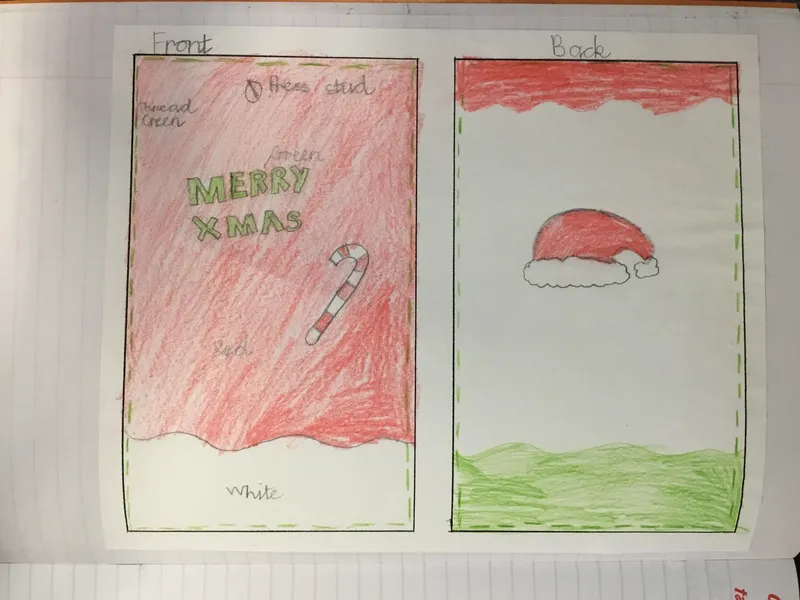
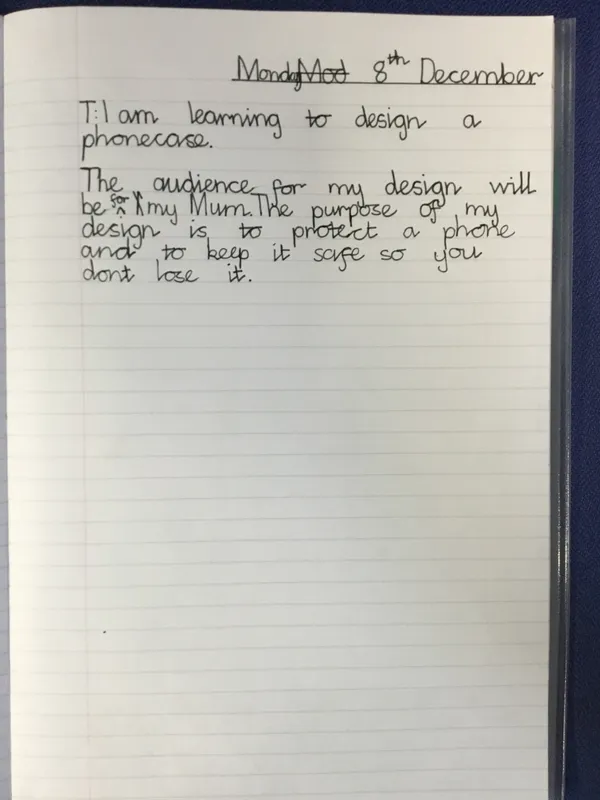
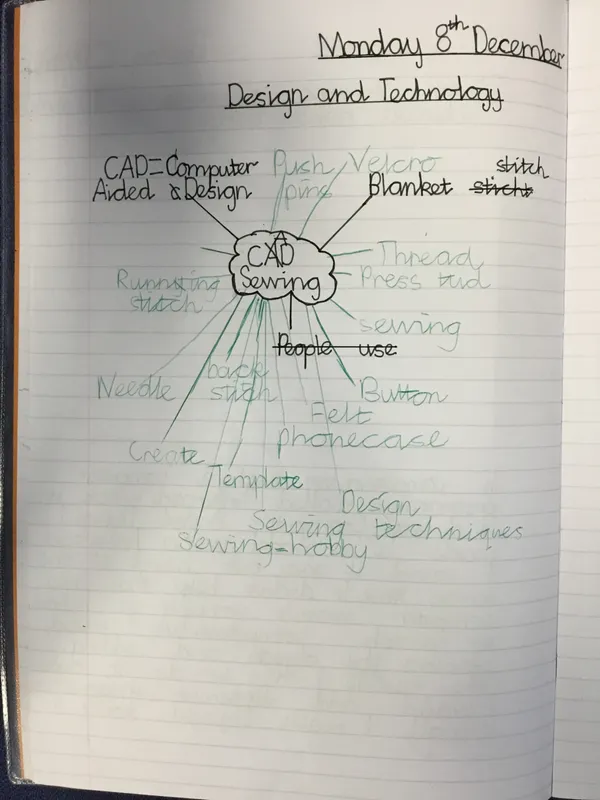
Year 6 pupils used research and CAD to design a phone case. They developed their practical skills such as measuring, cutting, pinning and stitching, and evaluated their finished products against a design brief. This approach encouraged creativity, accuracy and problem-solving while building confidence in using tools and materials. Well done Year 6
December 2025
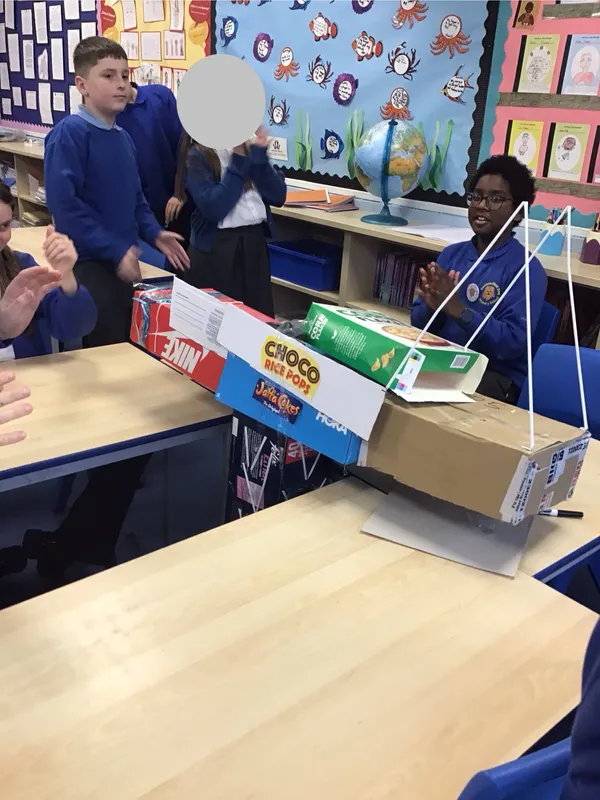
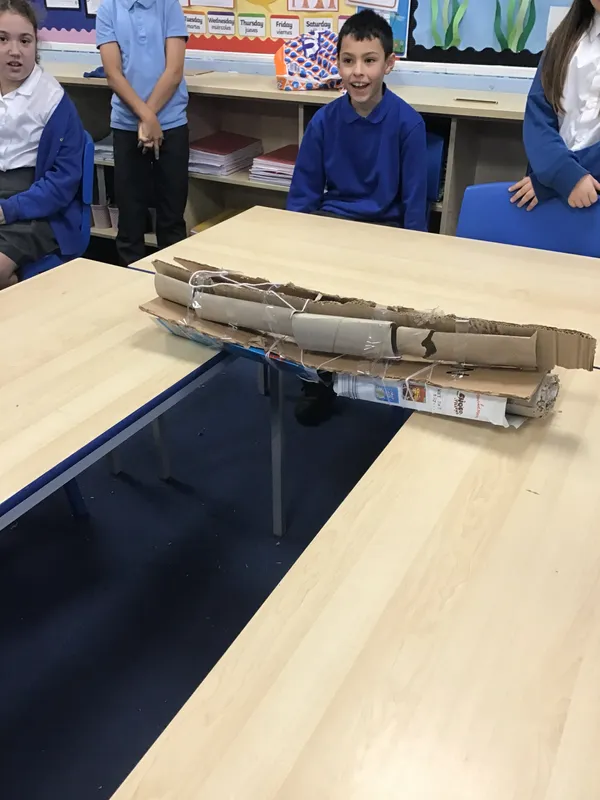
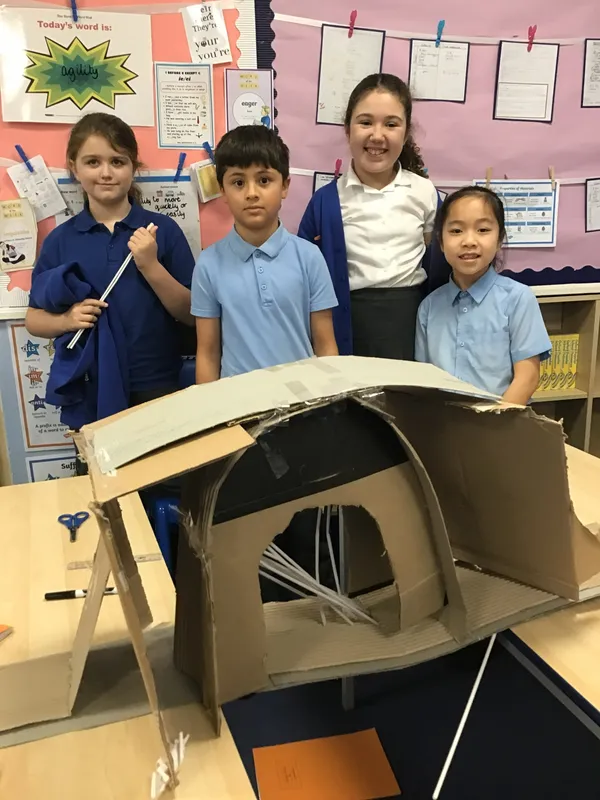
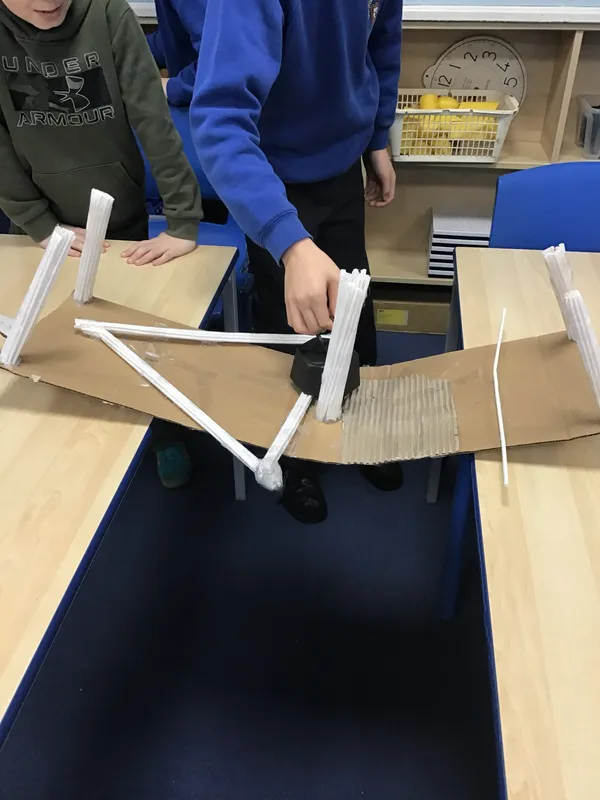
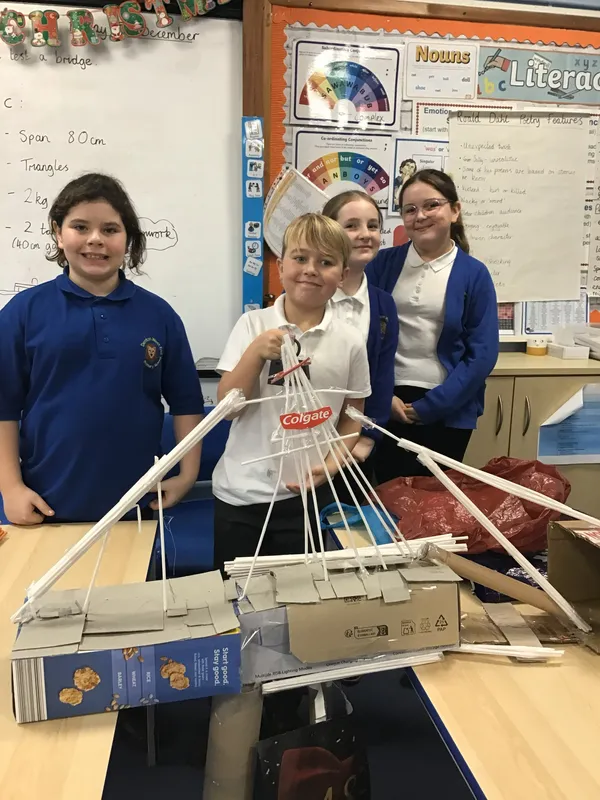
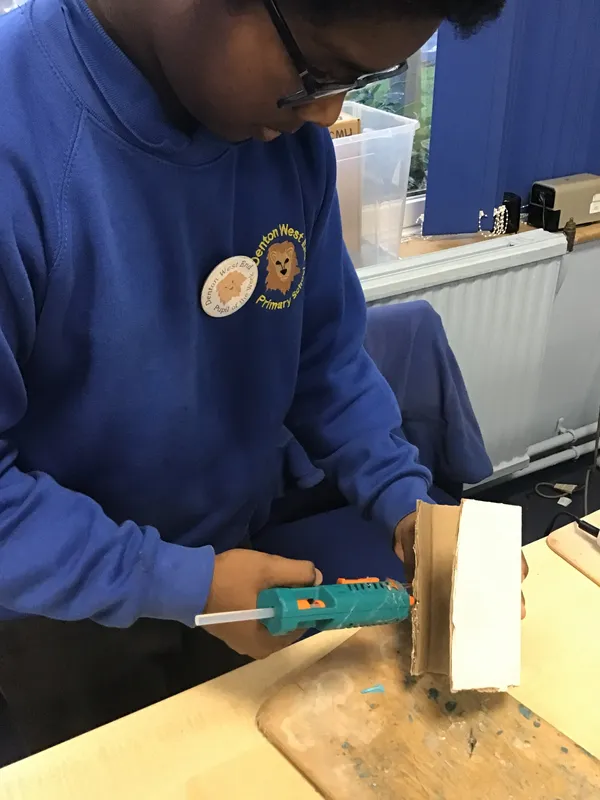
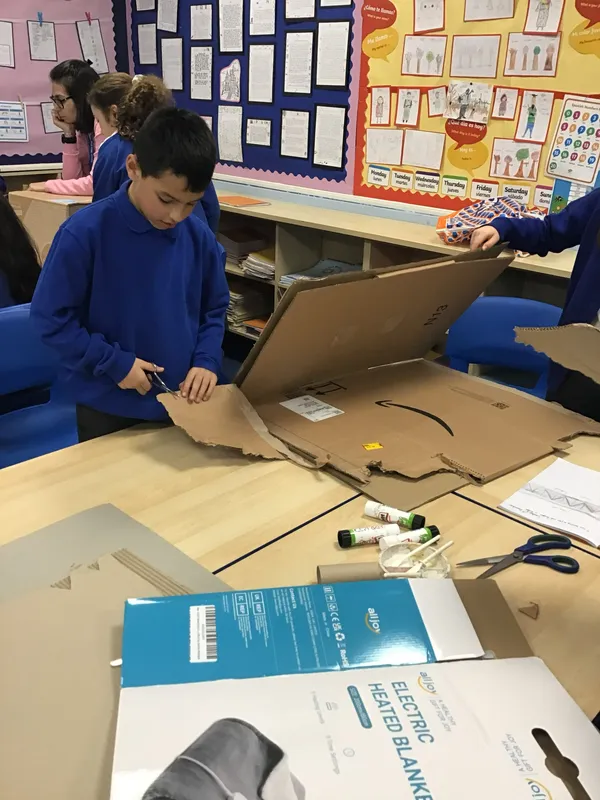
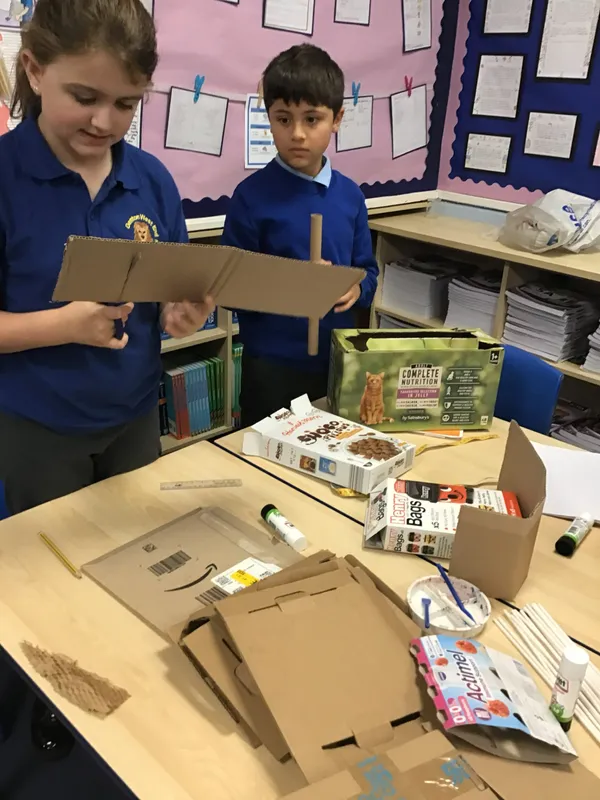
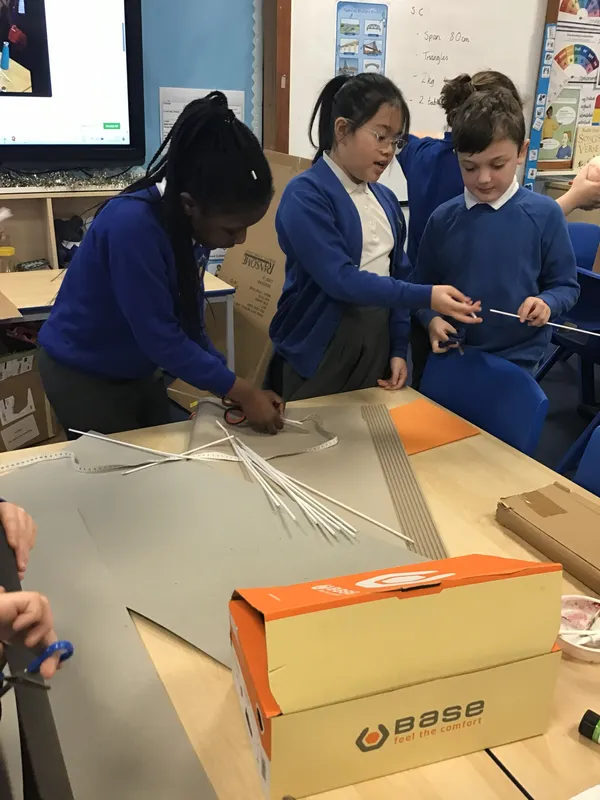
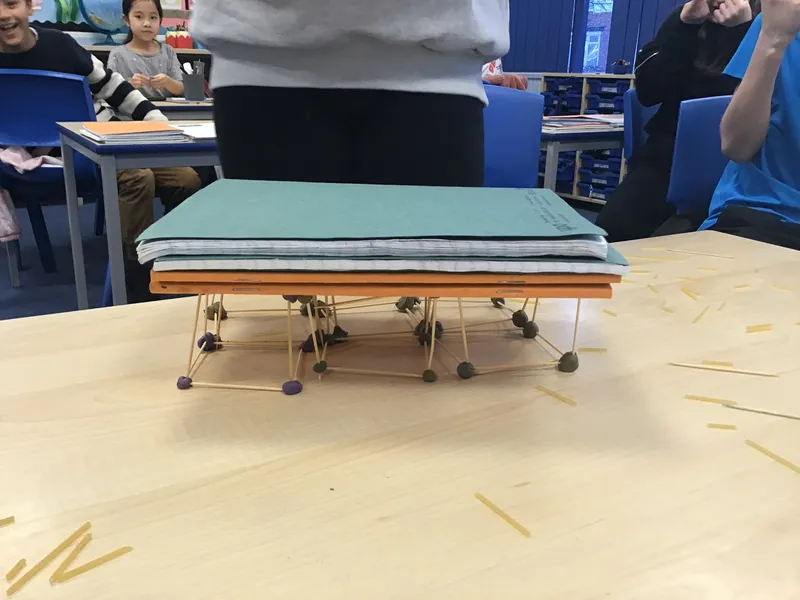
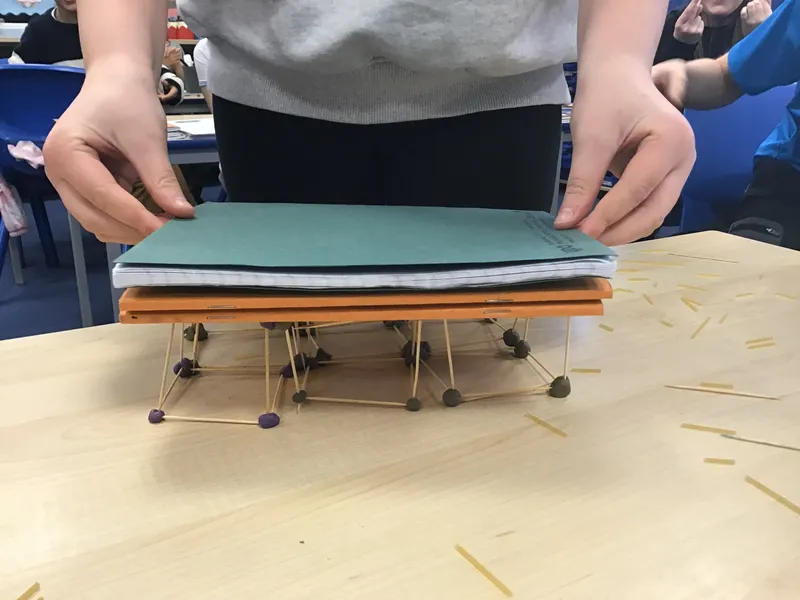
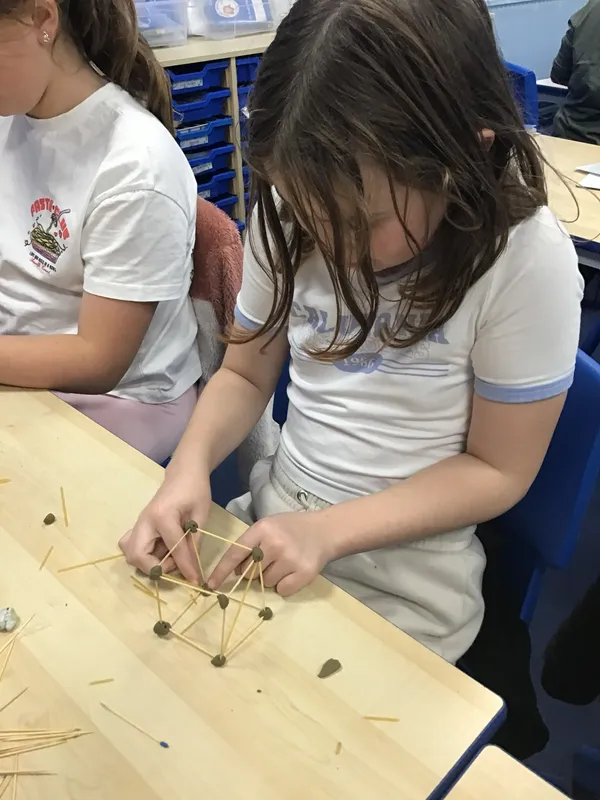
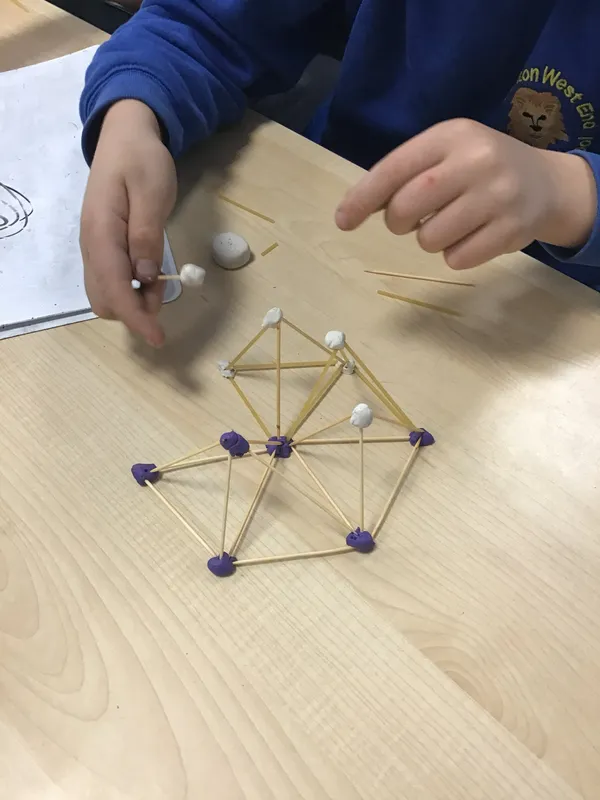
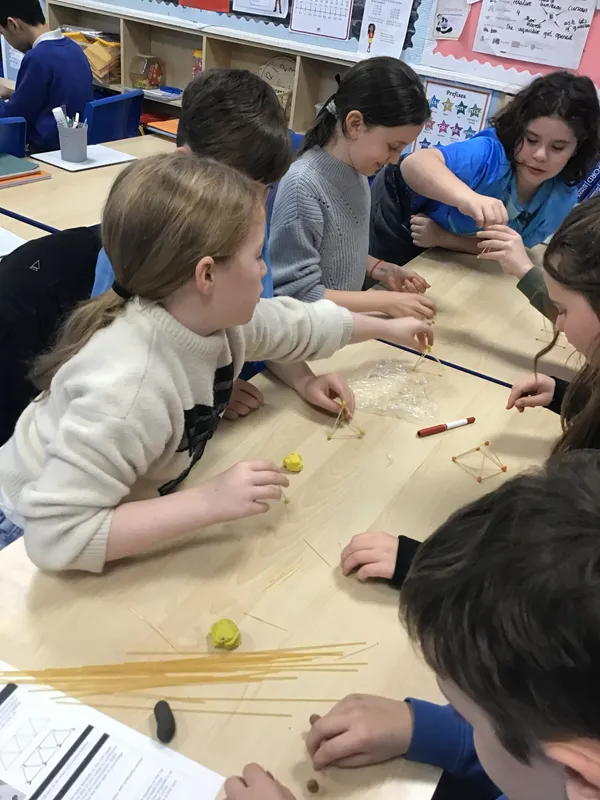
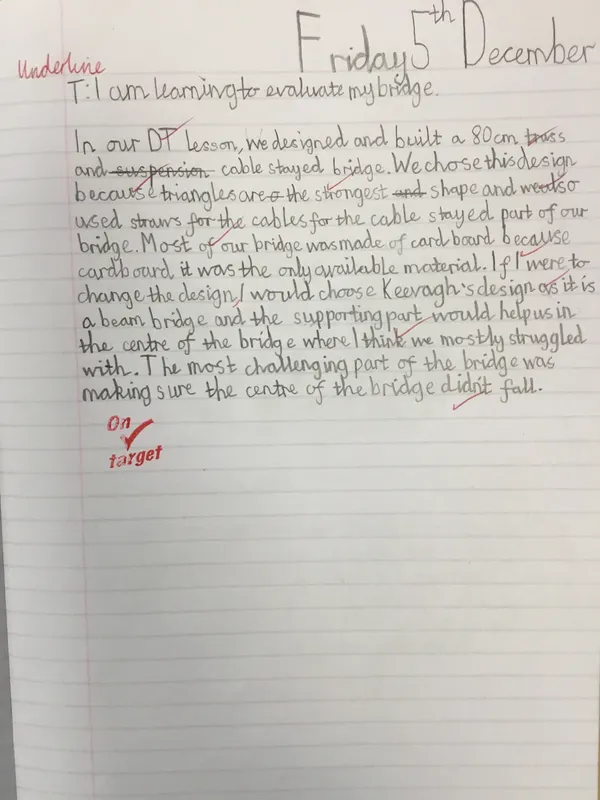
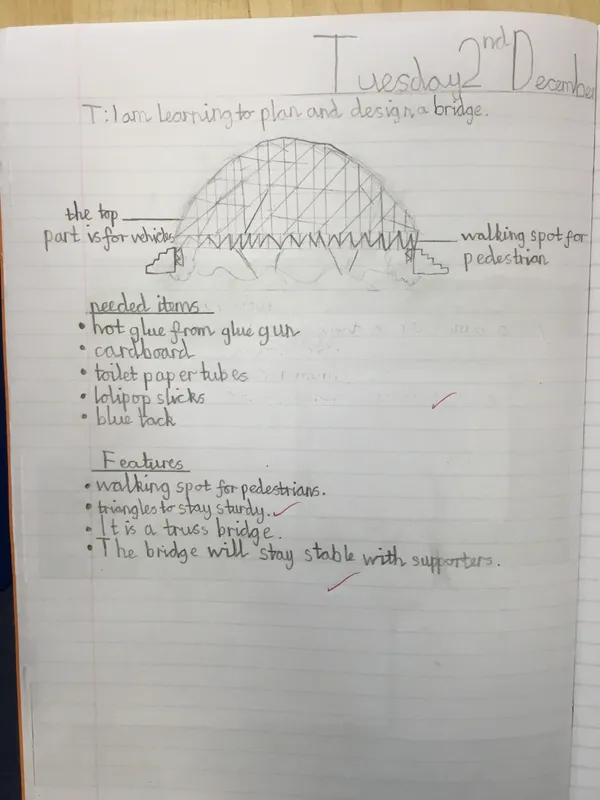
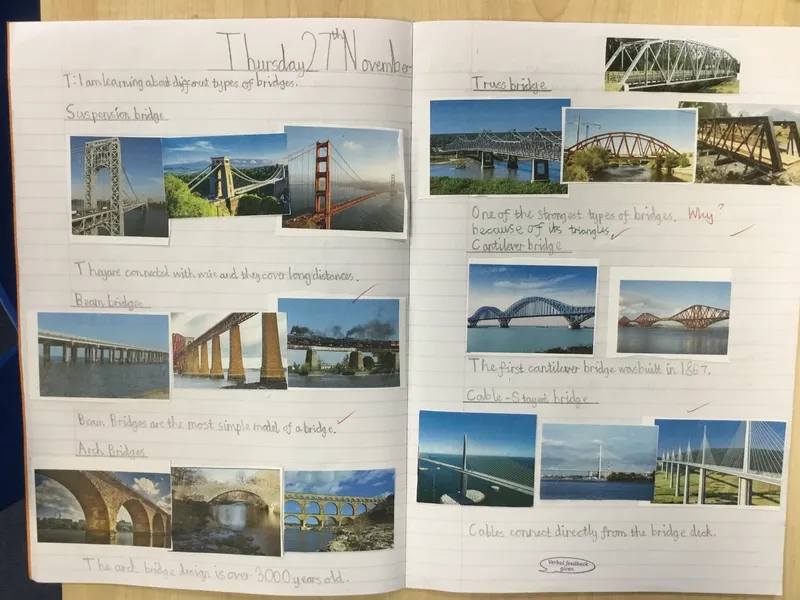
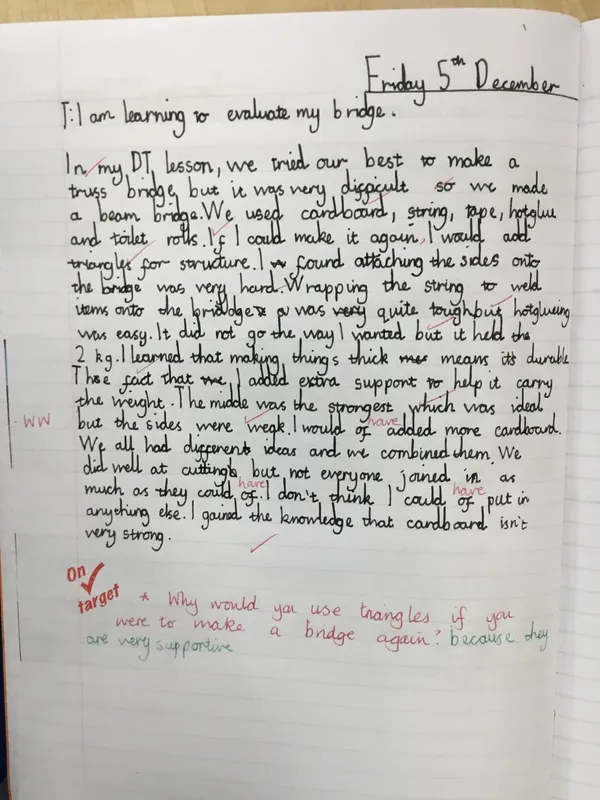
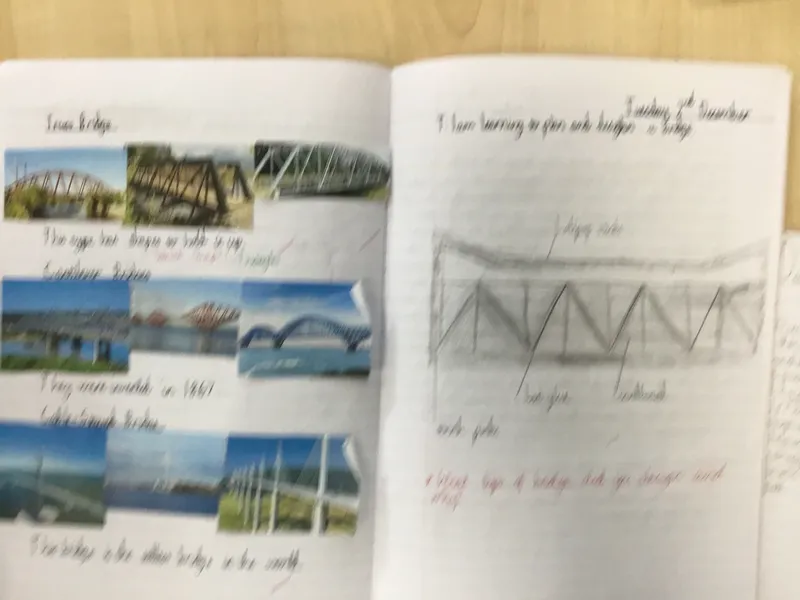
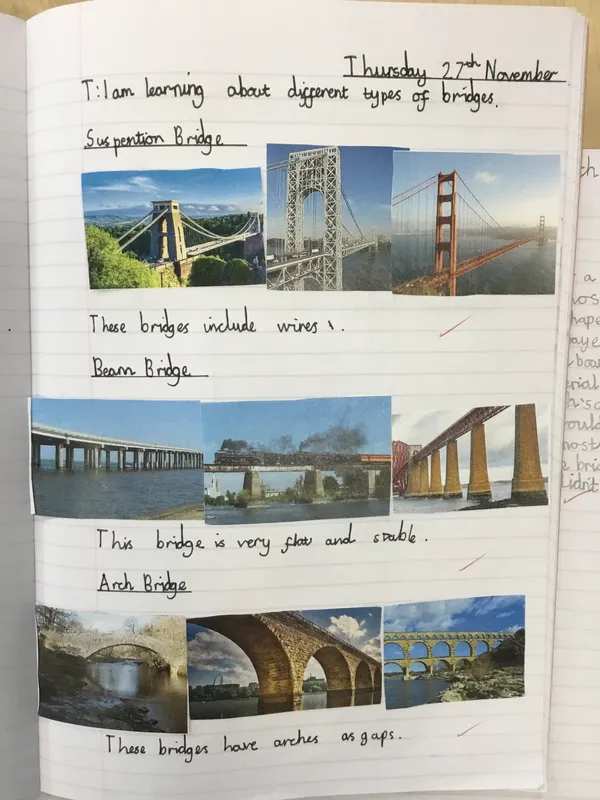
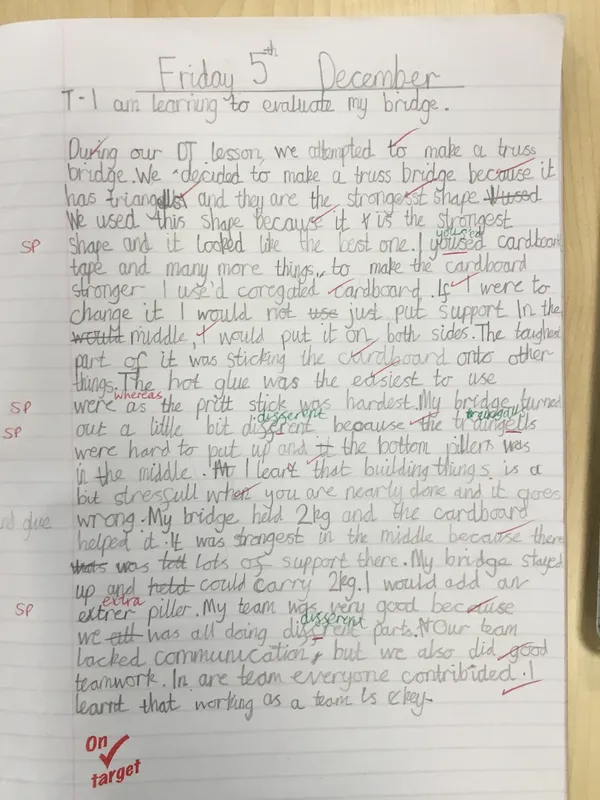
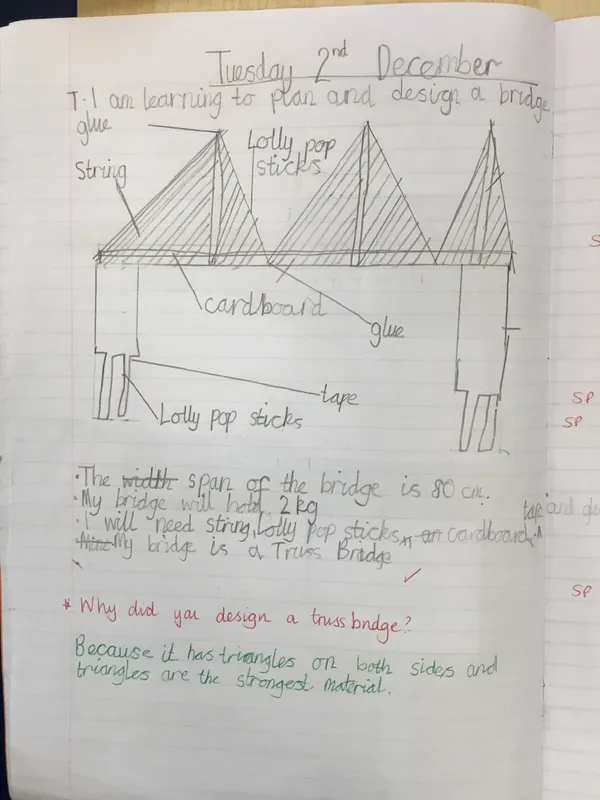
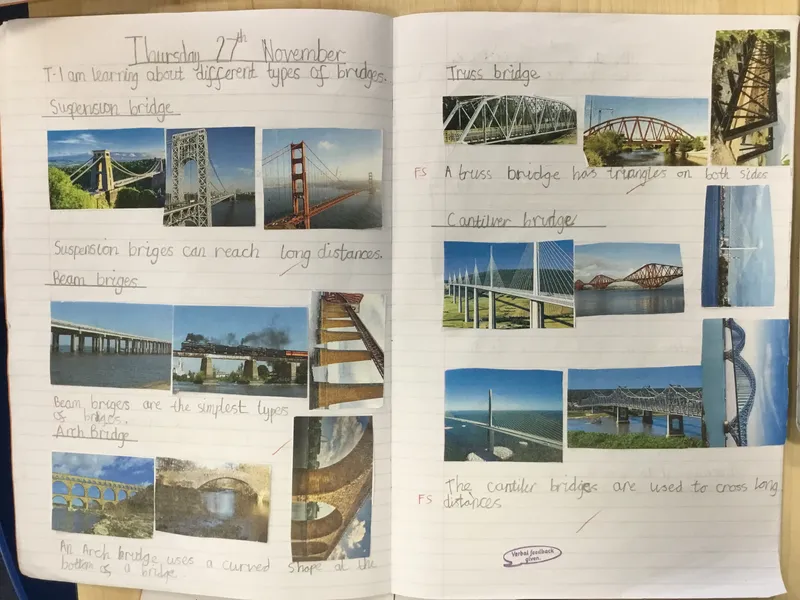
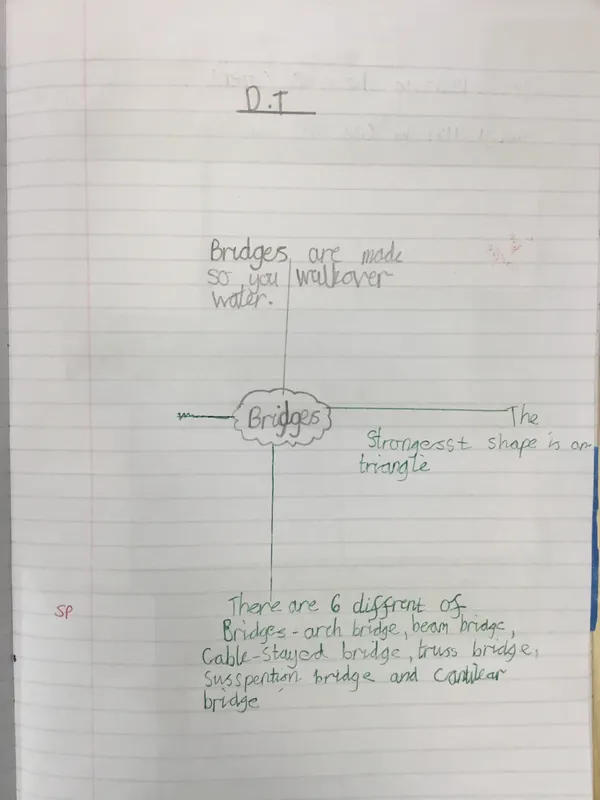
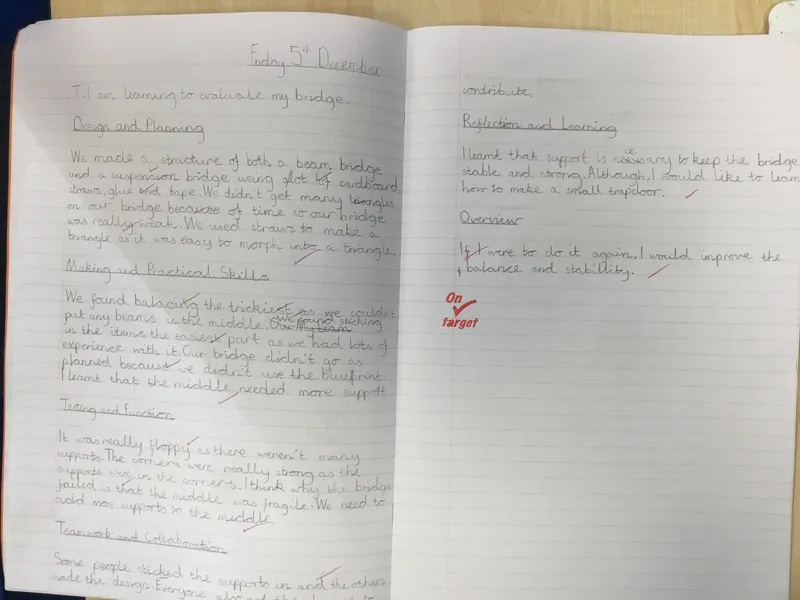
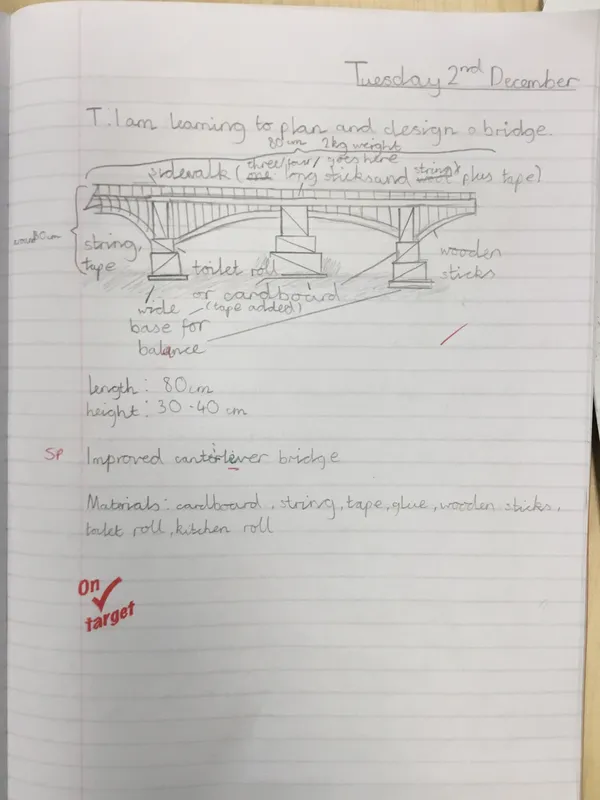
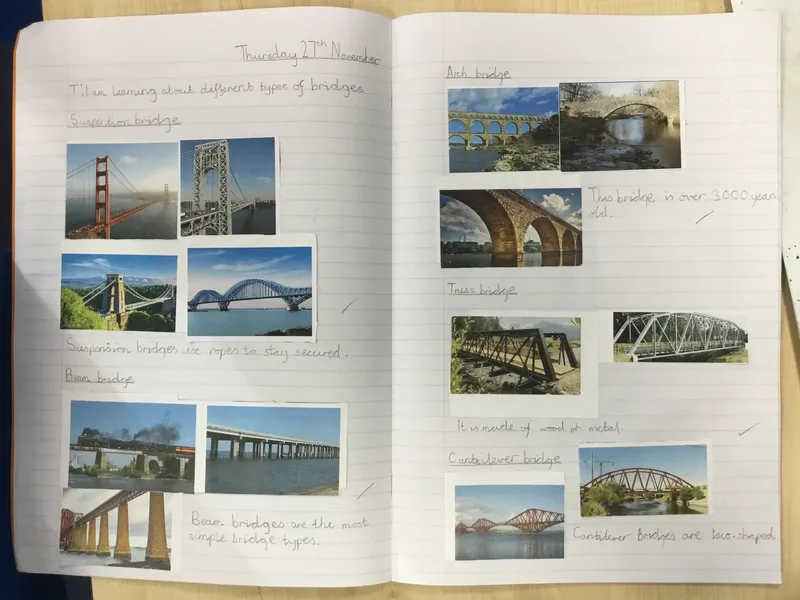
In Year 5, pupils worked as engineers during a Design and Technology unit focused on bridge structures. They researched a range of bridge types, including beam, arch, truss, cantilever, suspension and cable-stayed bridges, exploring how structure and shape affect strength and stability. Working collaboratively in teams, pupils designed and constructed their own bridges, using precise measuring and strong joining techniques. Each bridge was required to span 80cm between two tables and successfully hold a 2kg weight. Pupils evaluated their designs and finished structures, reflecting on their effectiveness and identifying improvements. The project demonstrated excellent teamwork, problem-solving skills and resilience.
December 2025
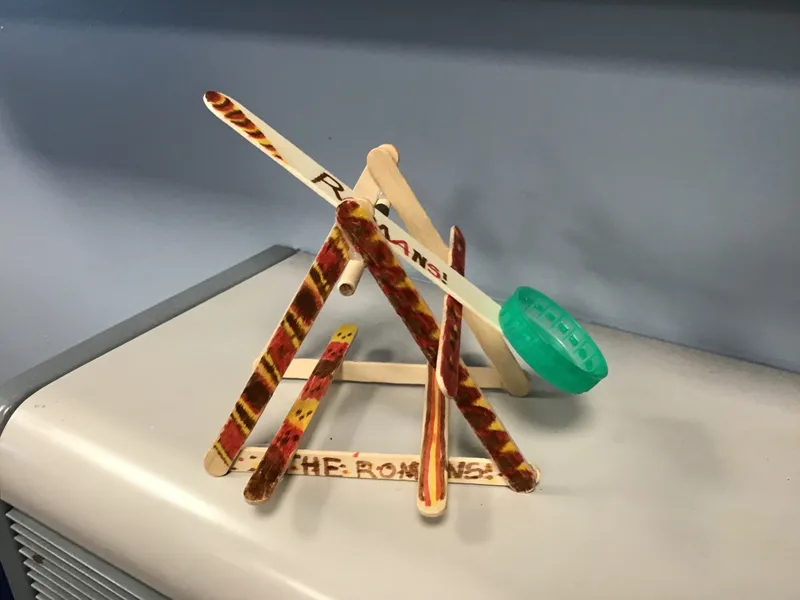
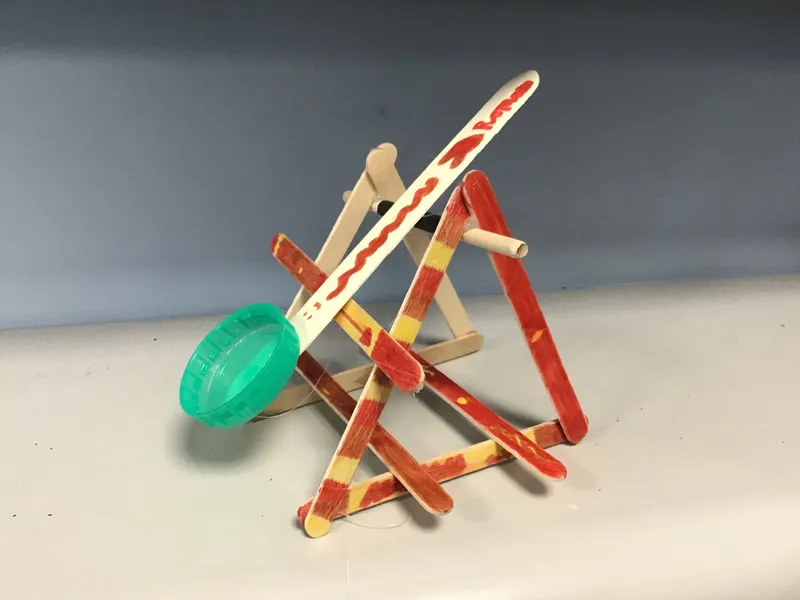
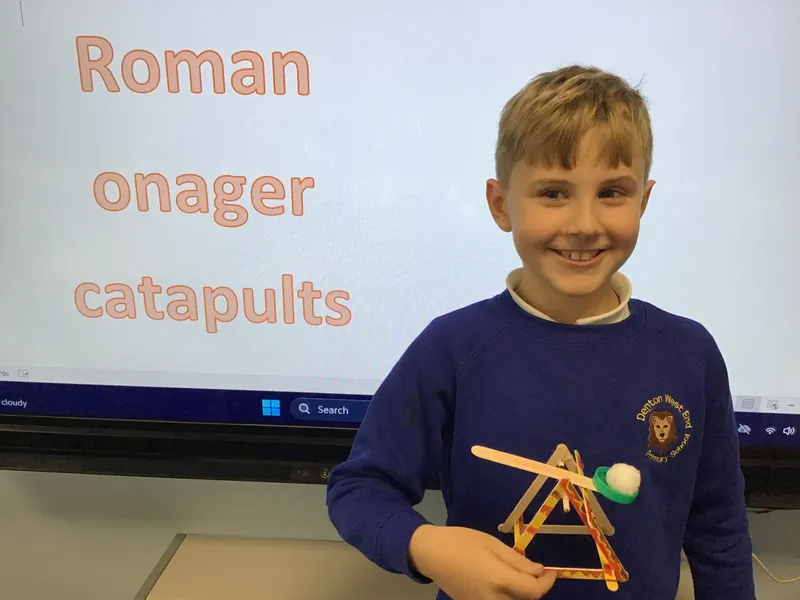
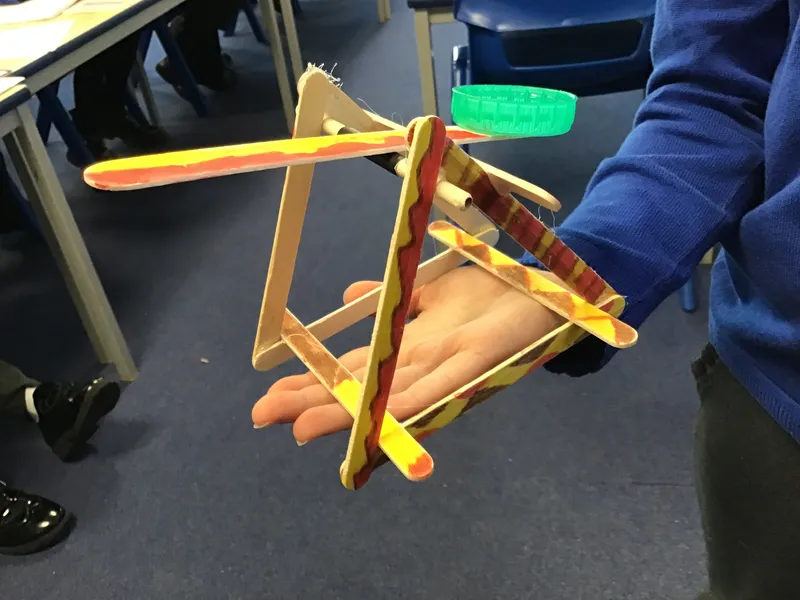
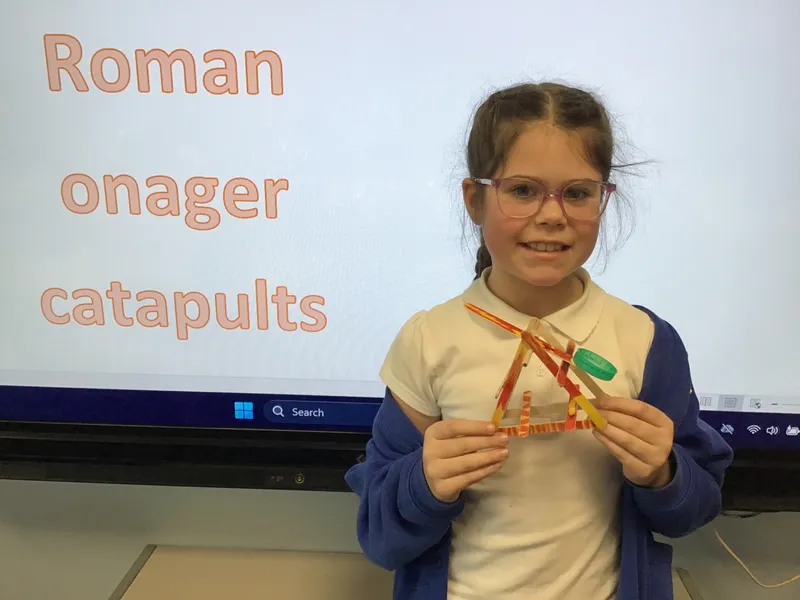
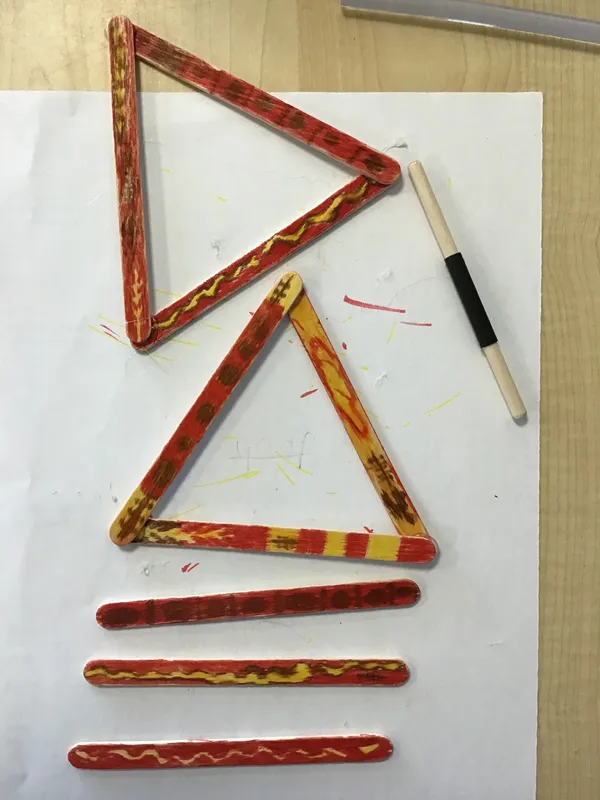
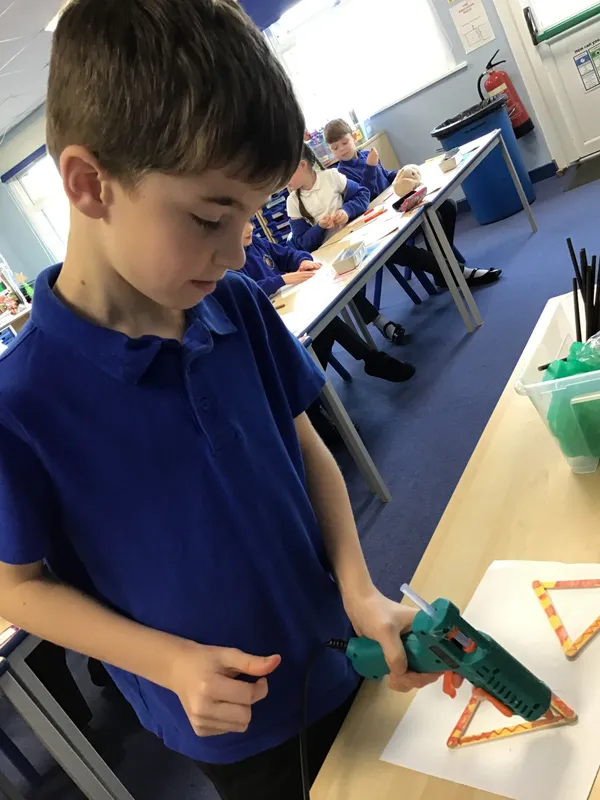
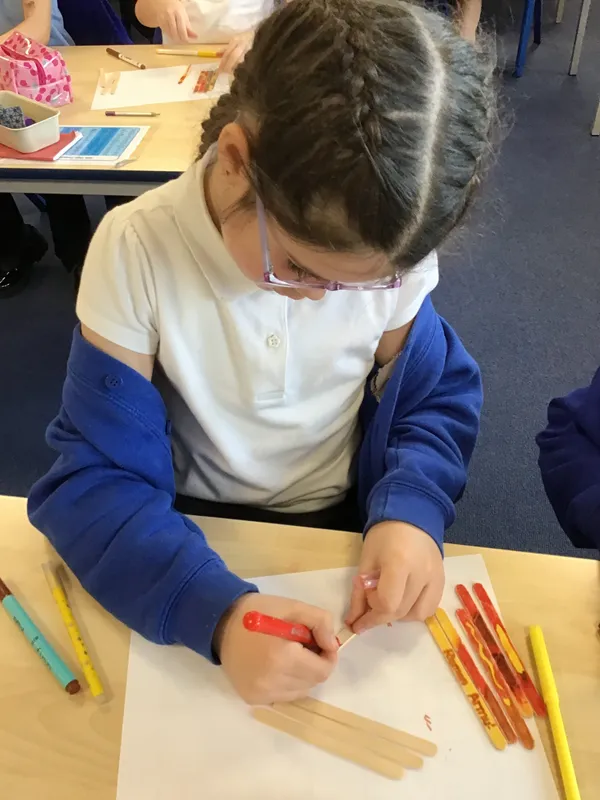
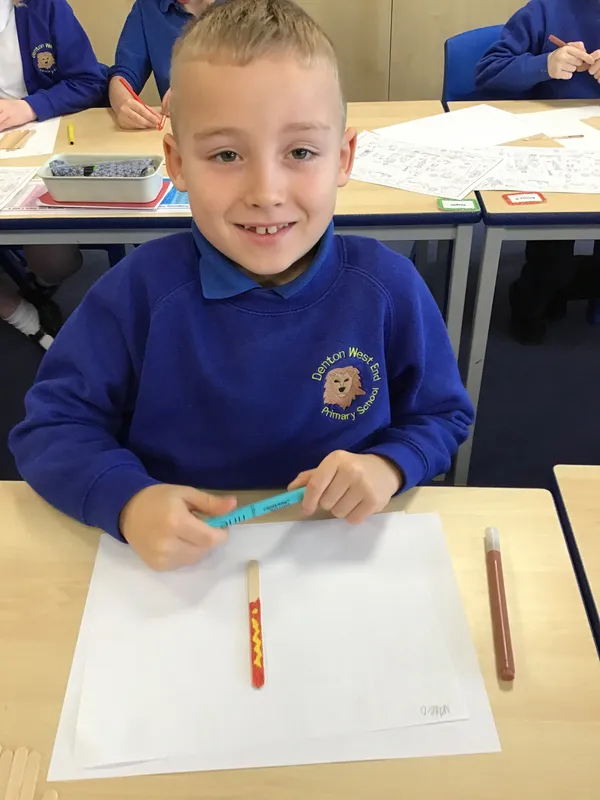
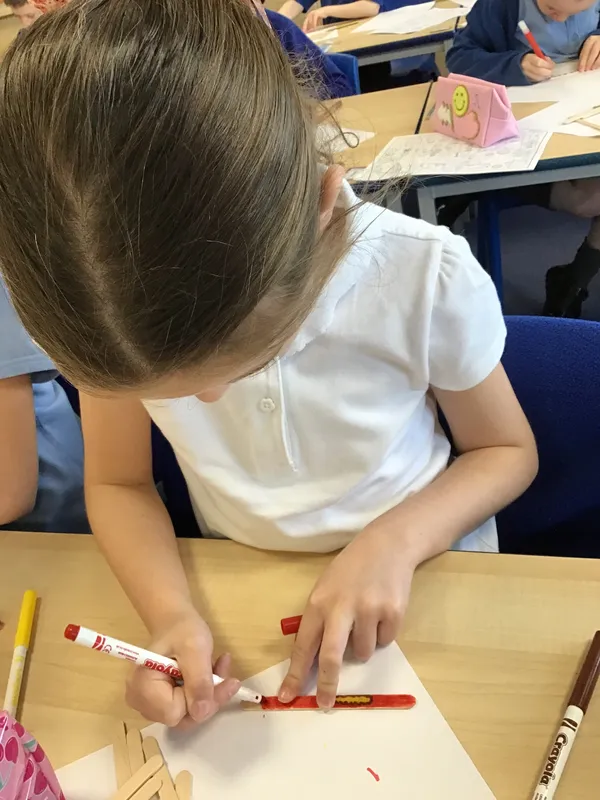
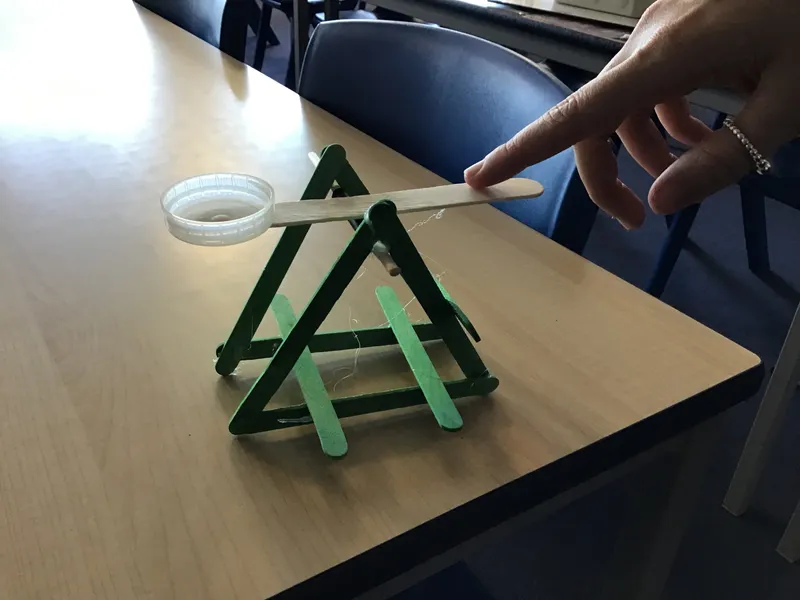
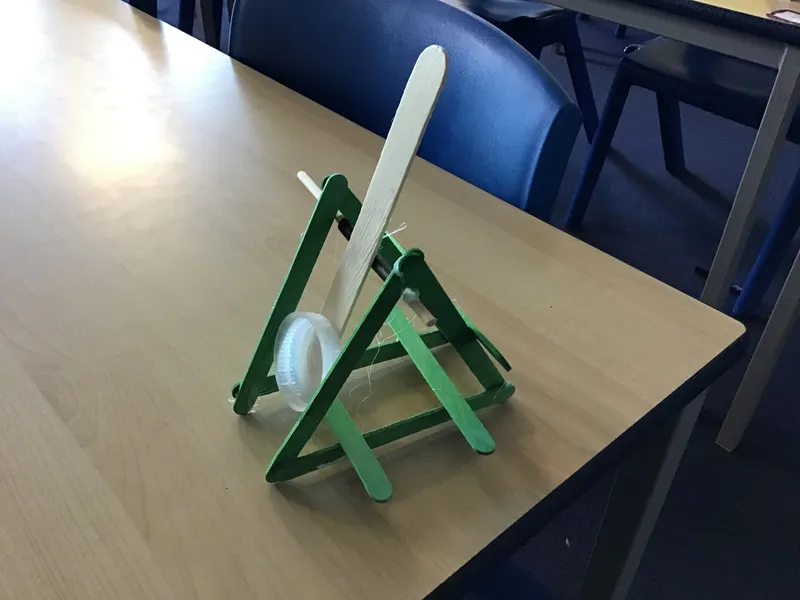
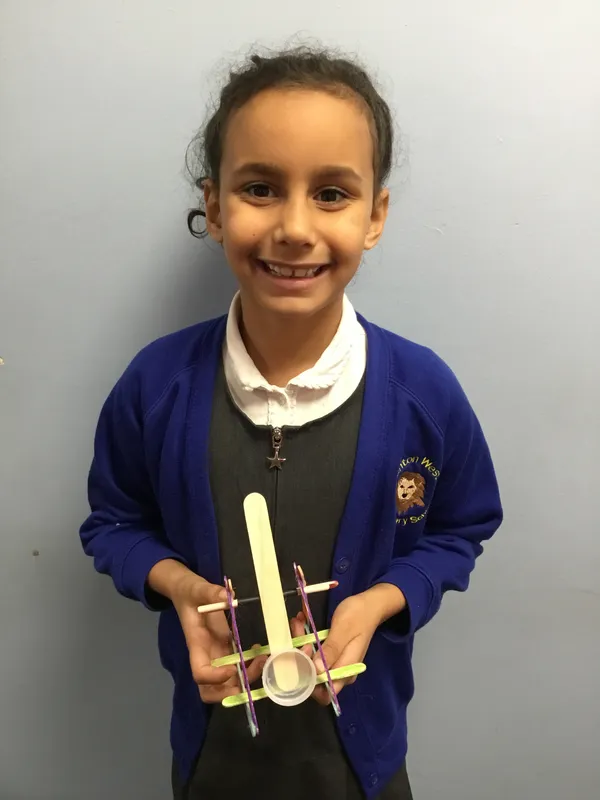
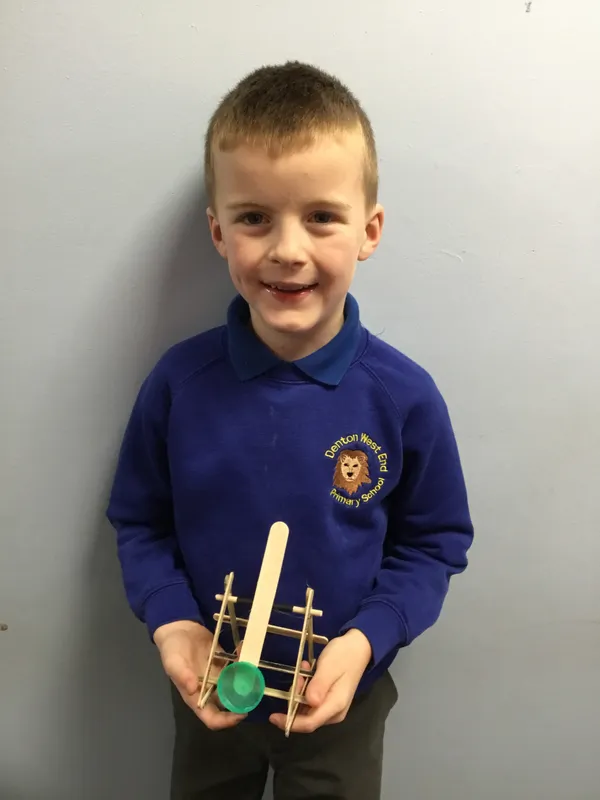
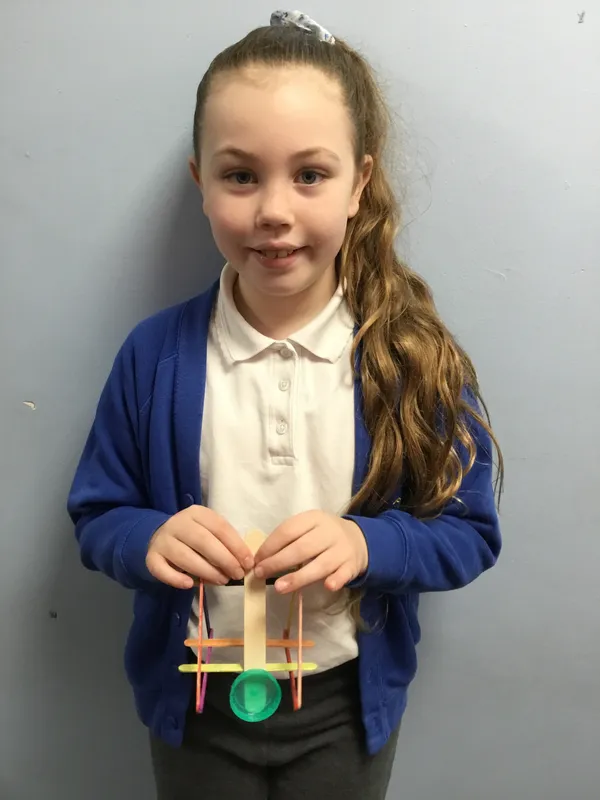
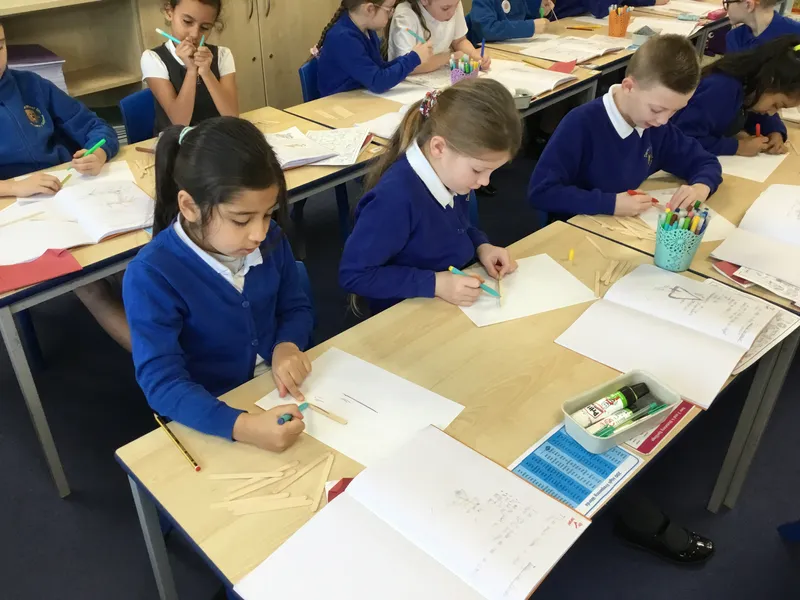
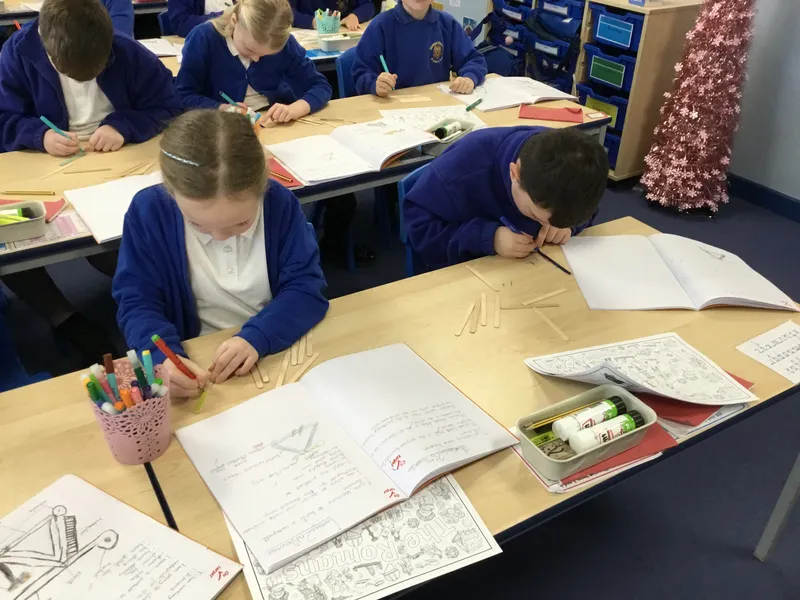
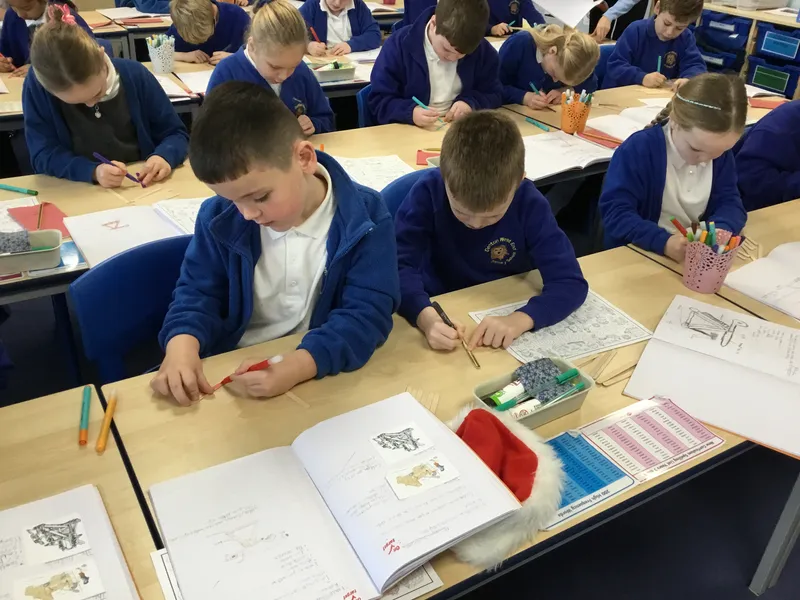
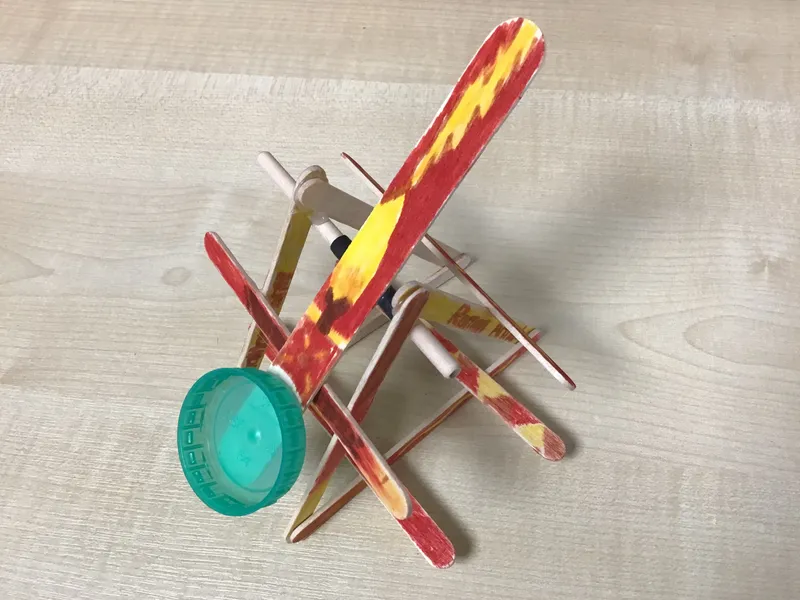
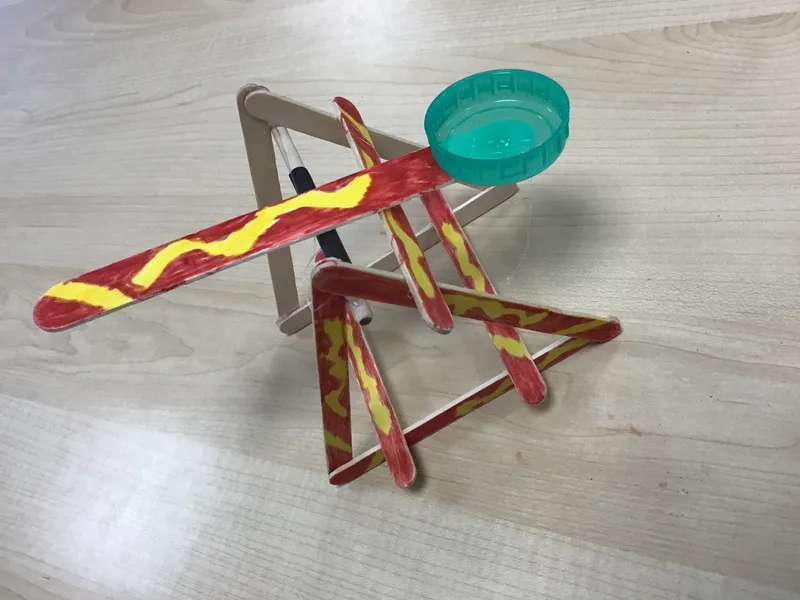
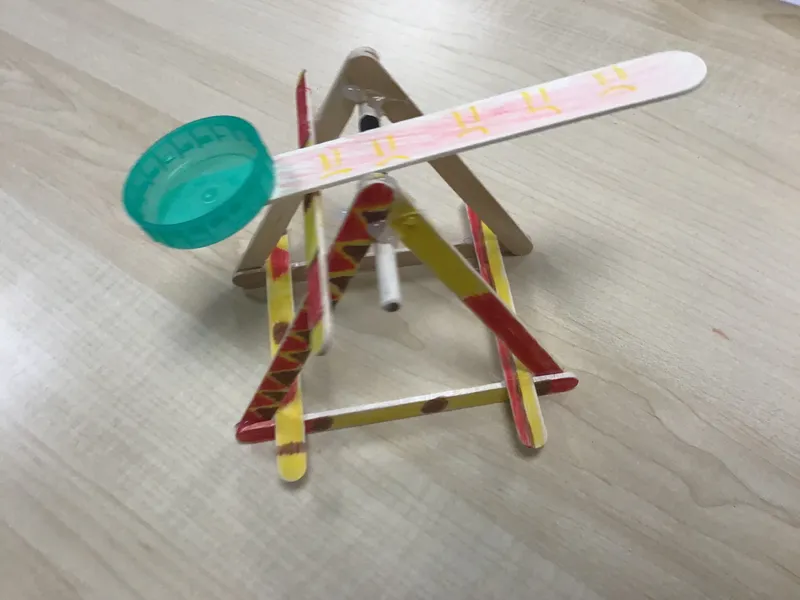
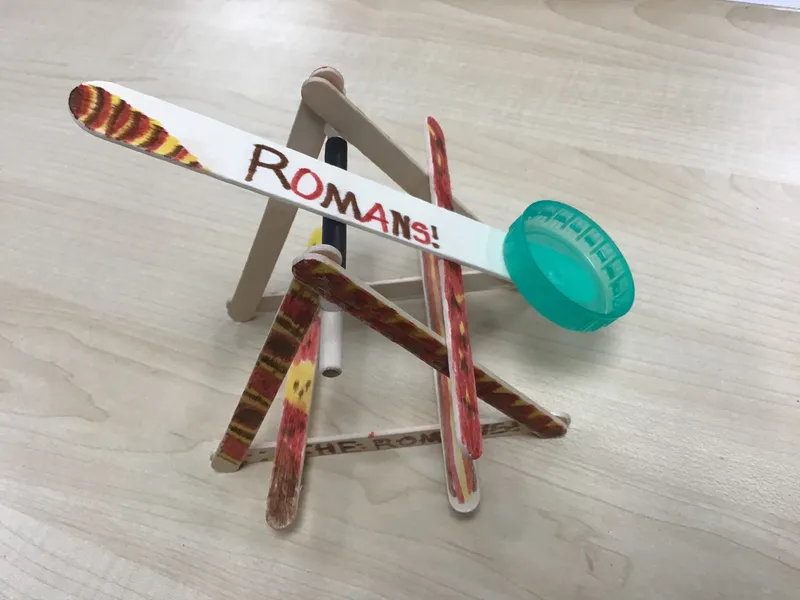
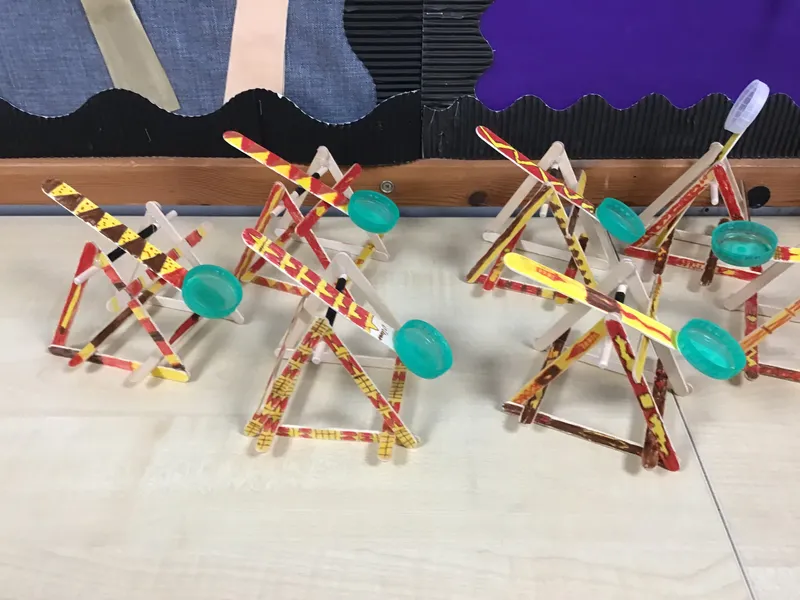
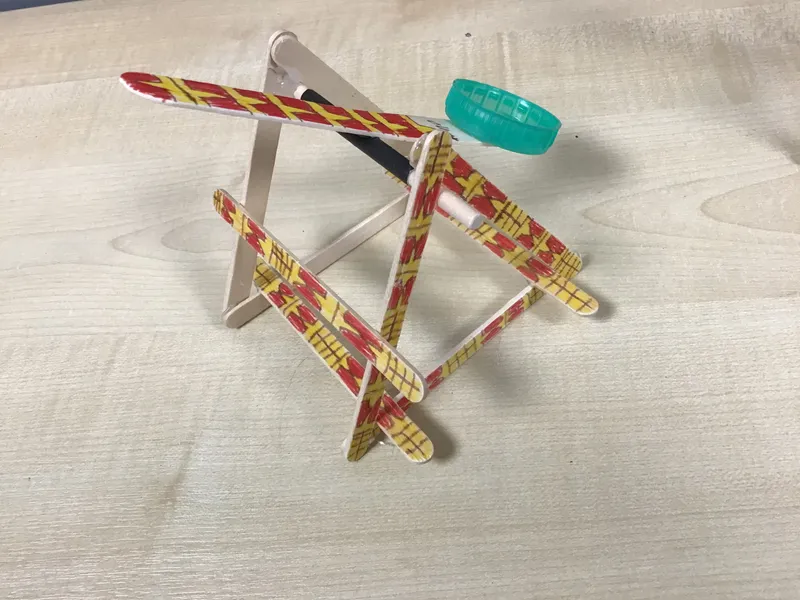
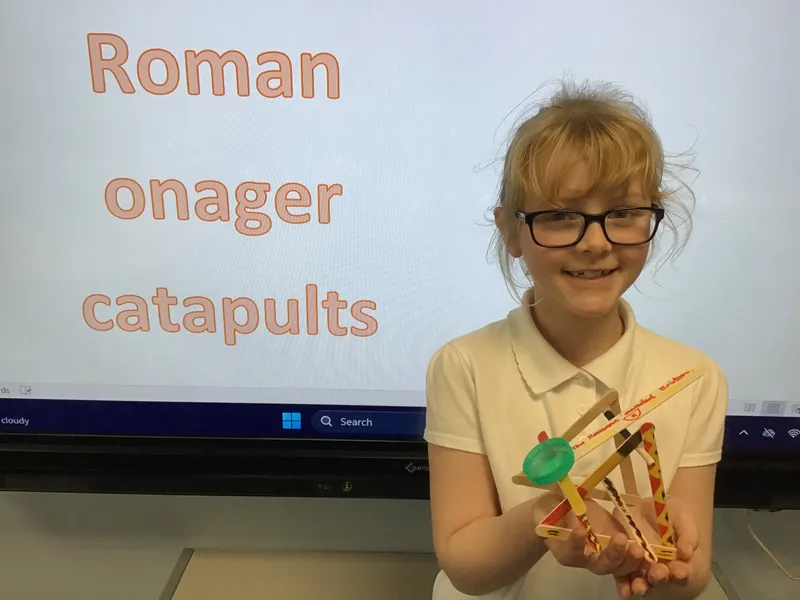
In Year 3, pupils complete a Design and Technology unit focused on designing and making catapults linked to their history topic. Pupils followed the design–make–evaluate process, exploring simple mechanisms and forces, creating labelled designs, selecting materials, and constructing their product using lolly-sticks, bottle tops and the use of a hot glue gun.. They tested and evaluated their catapults for distance and accuracy, reflecting on possible improvements. This unit develops creativity, problem-solving skills, and practical making skills, with links to science and maths. Below are some of the amazing examples of their work.
December 2025
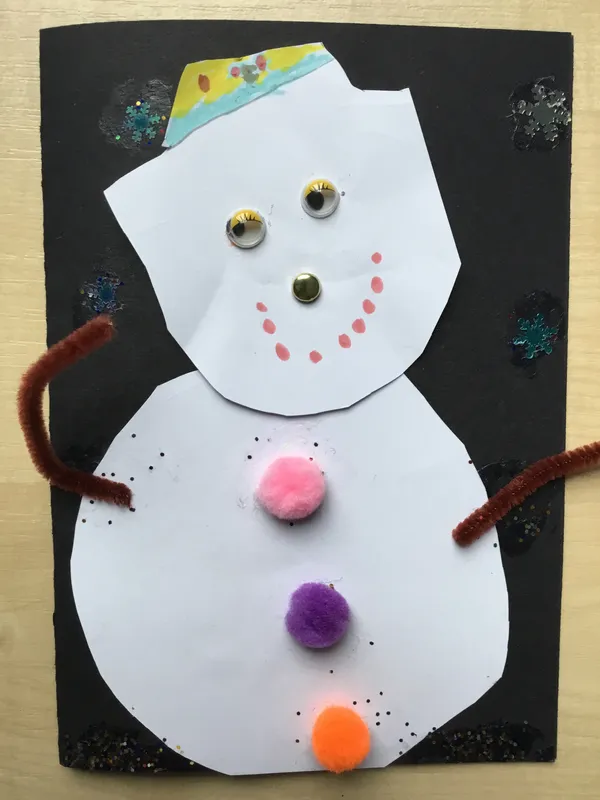
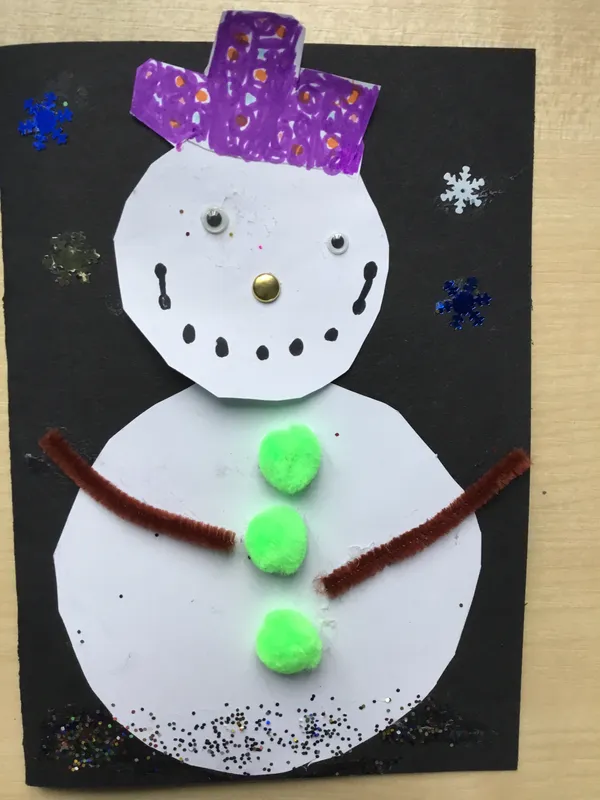
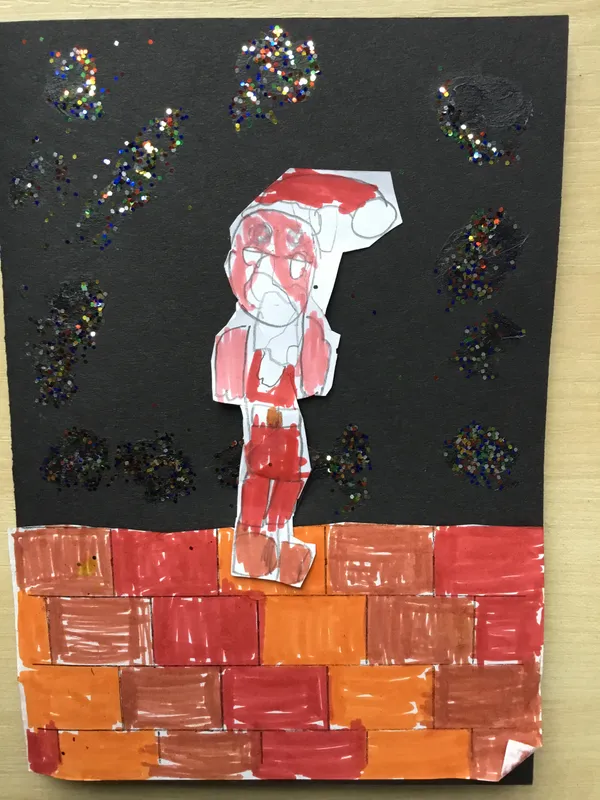
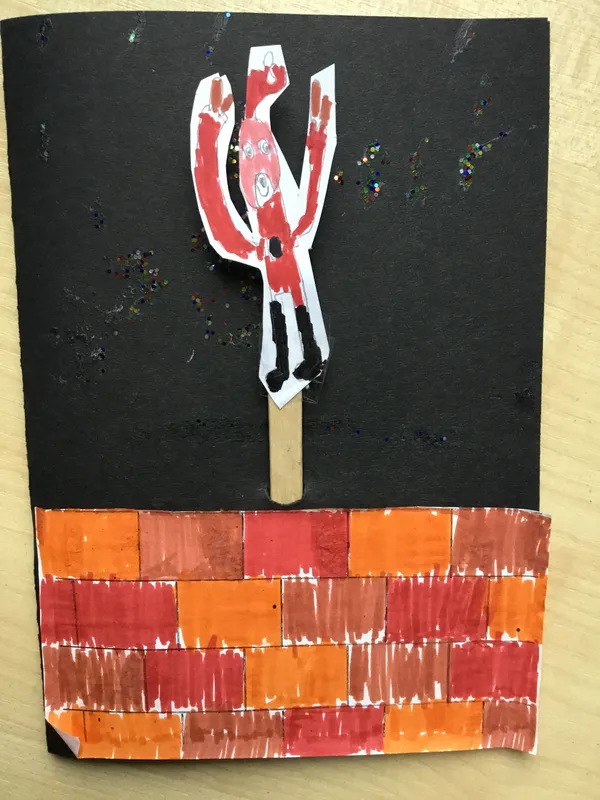
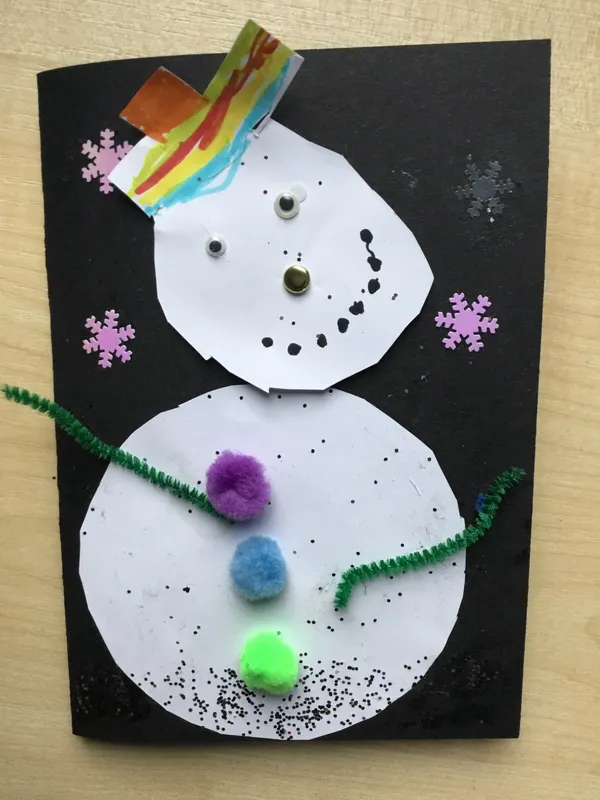
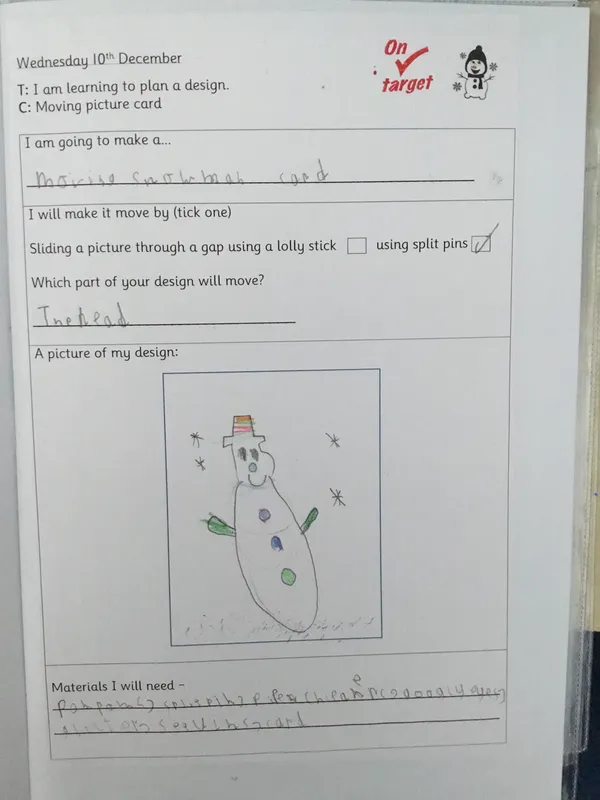
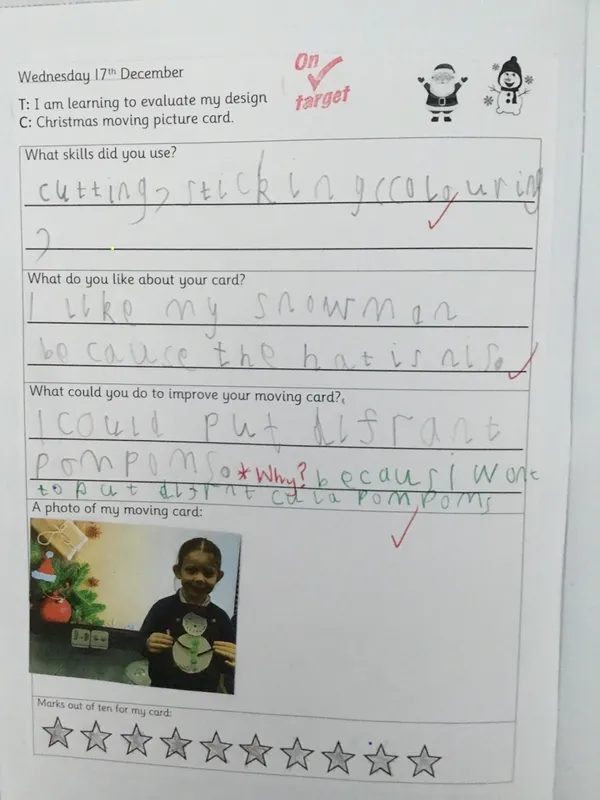
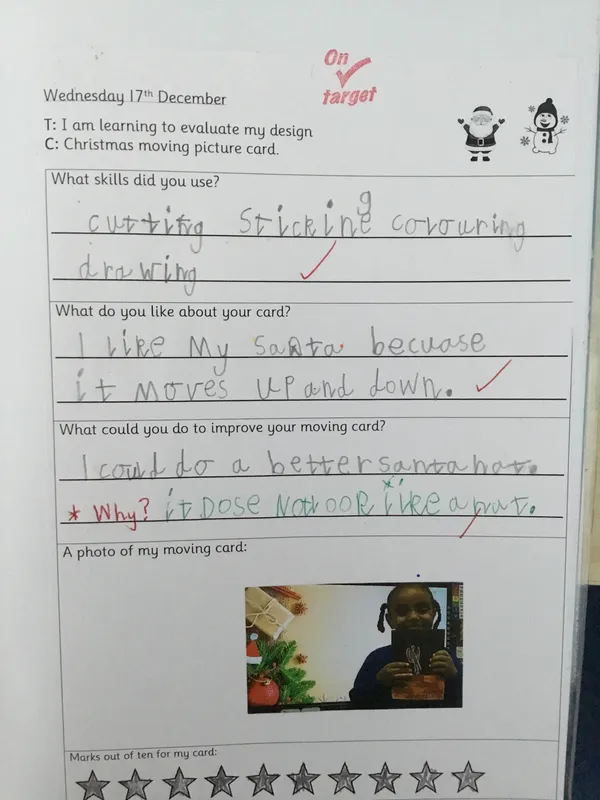
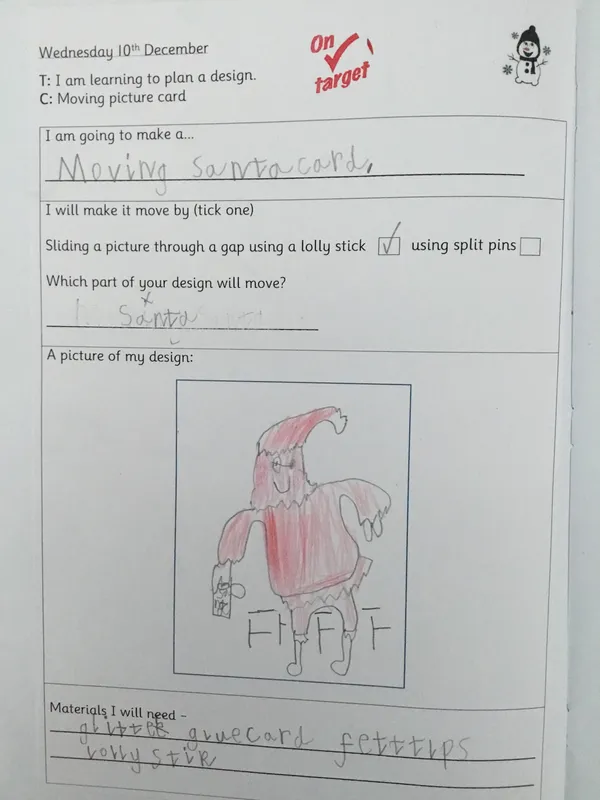
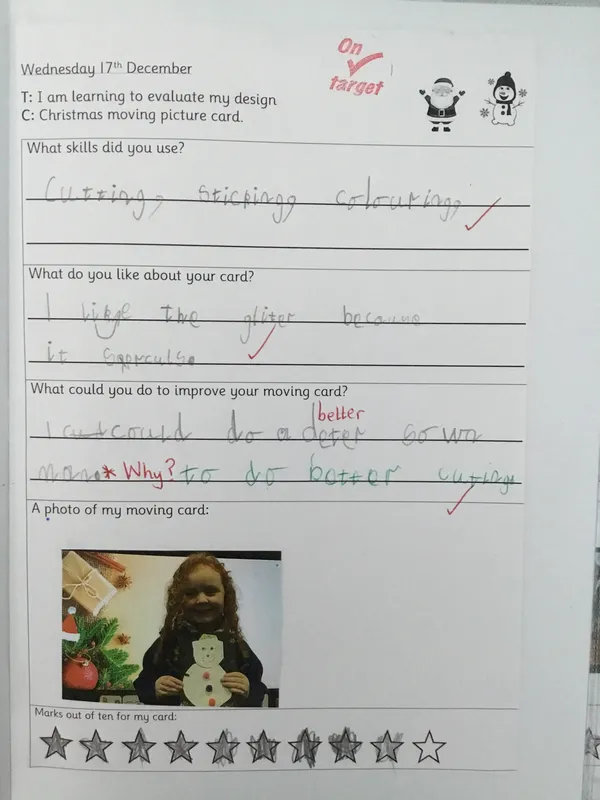
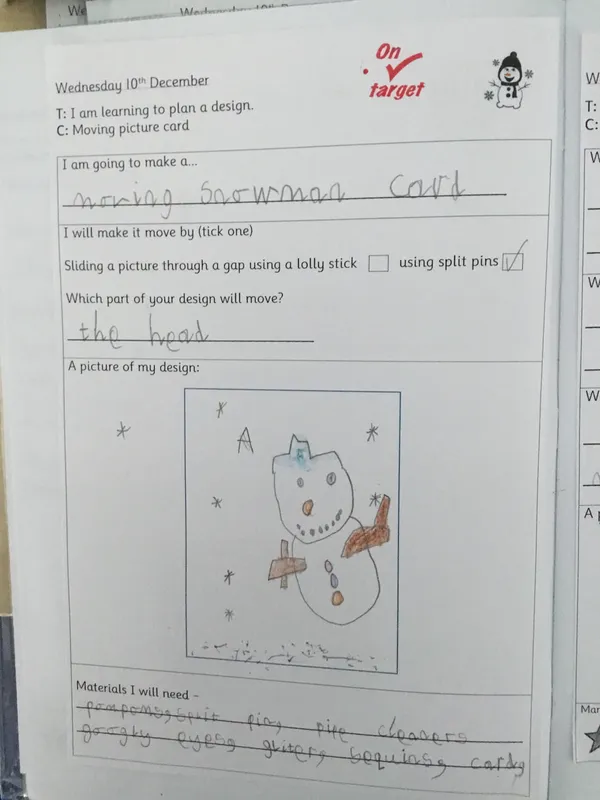
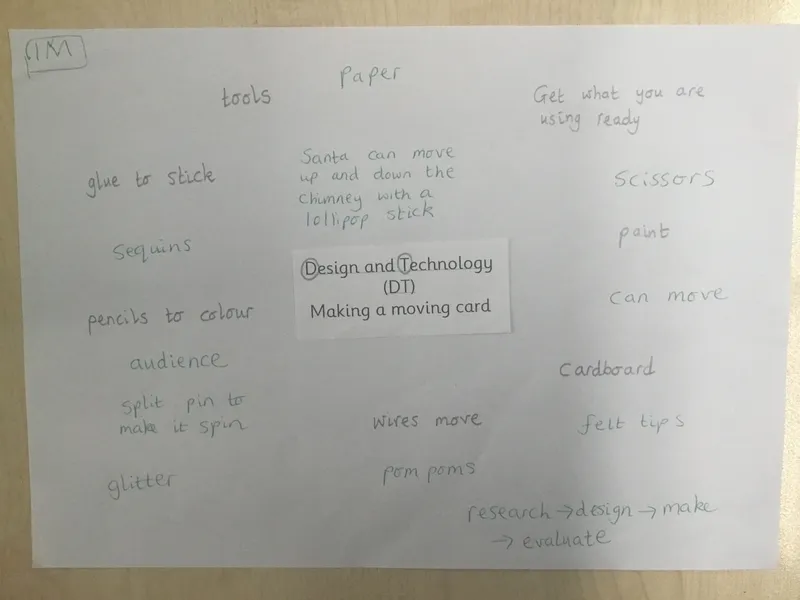
Year 1 pupils showed high levels of engagement and creativity when designing and making Christmas cards with simple moving mechanisms. Children developed cutting, folding and joining skills and were able to talk about what they liked about their finished work. Below is a sample of their amazing work.
December 2025
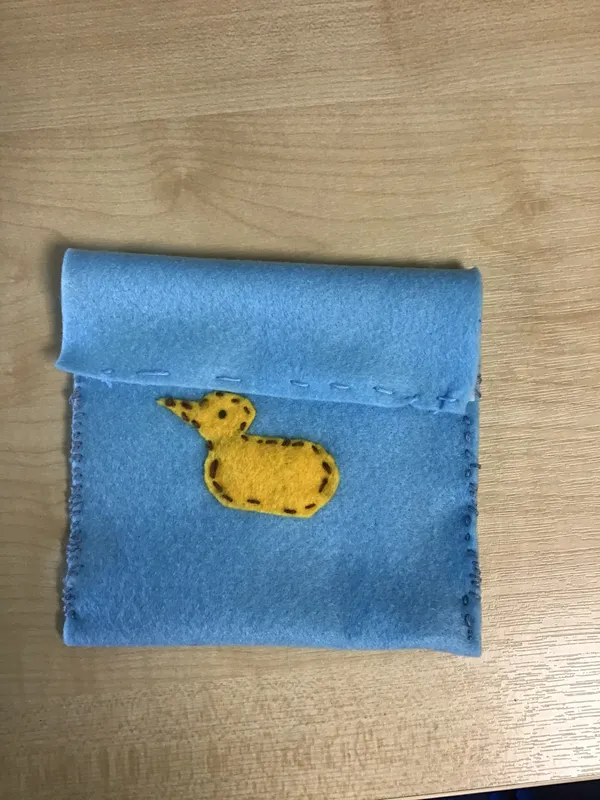
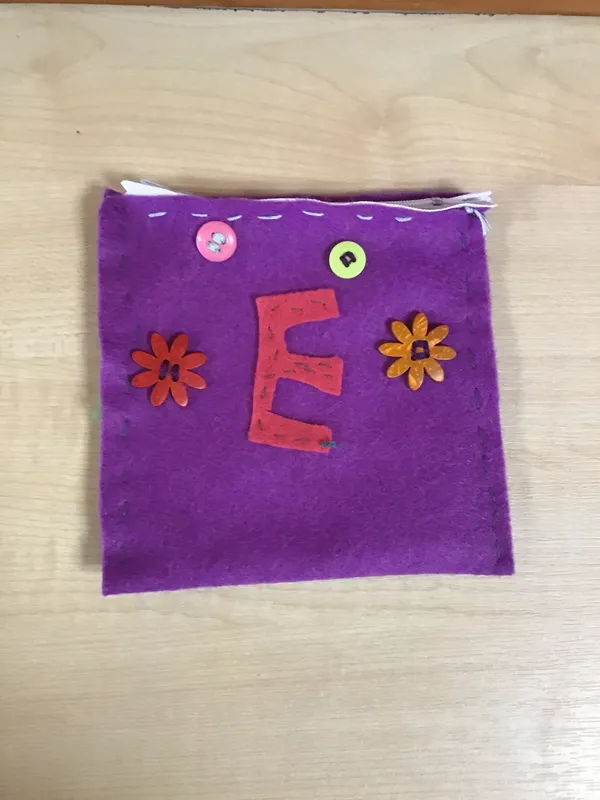
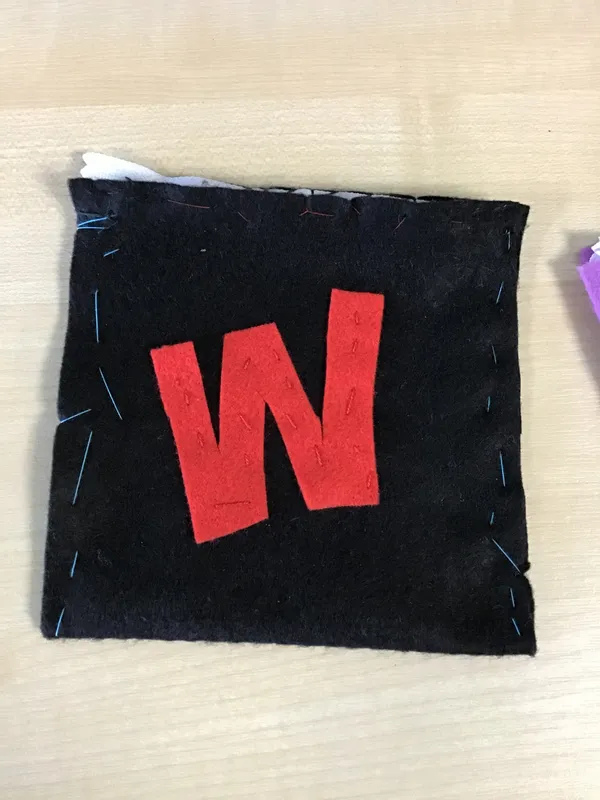
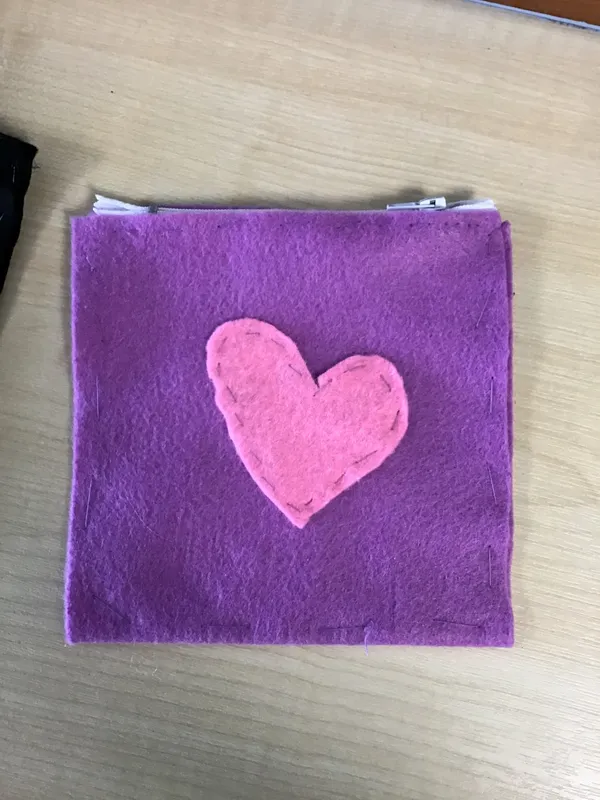
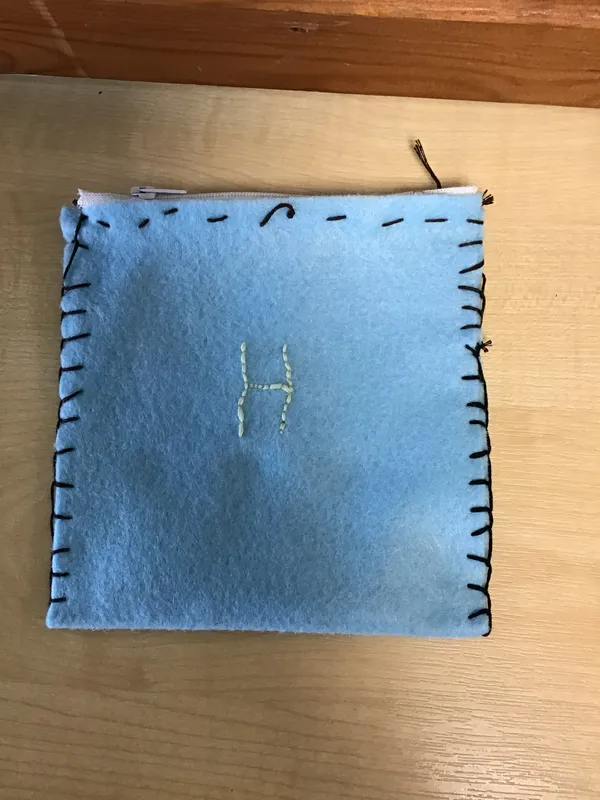
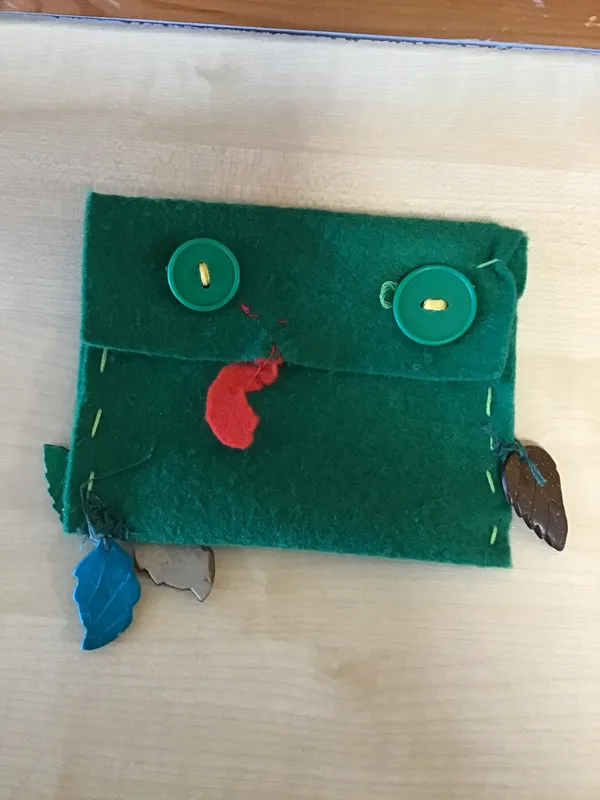
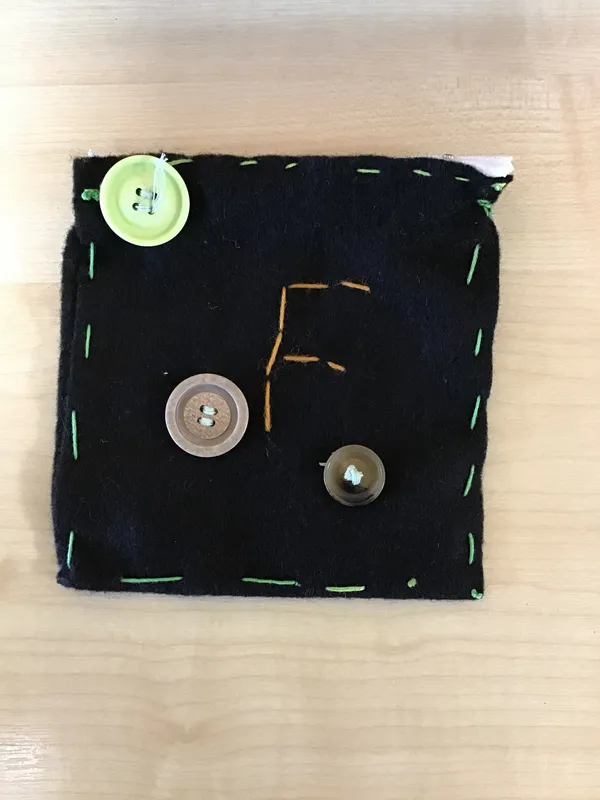
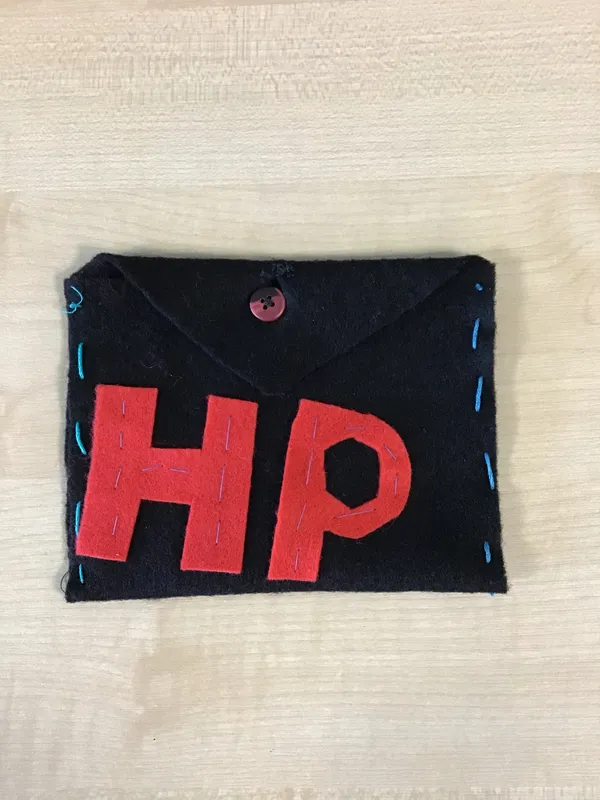
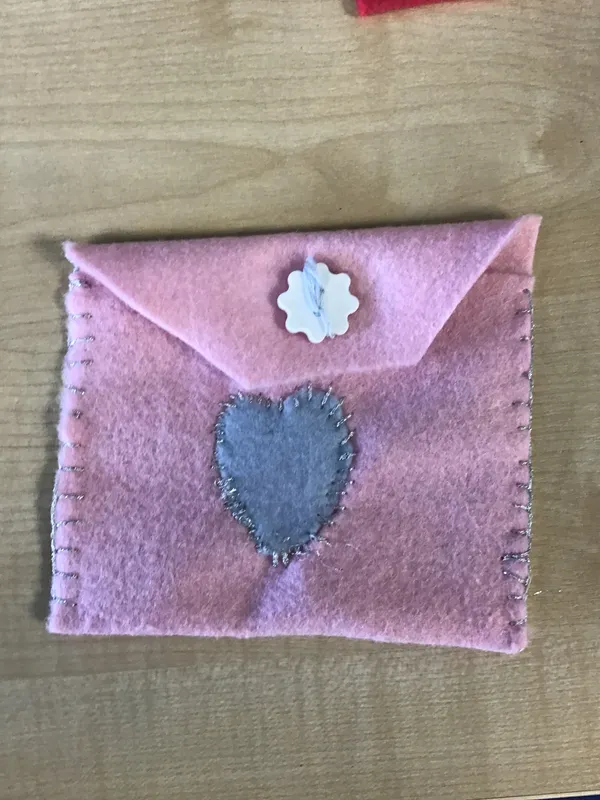
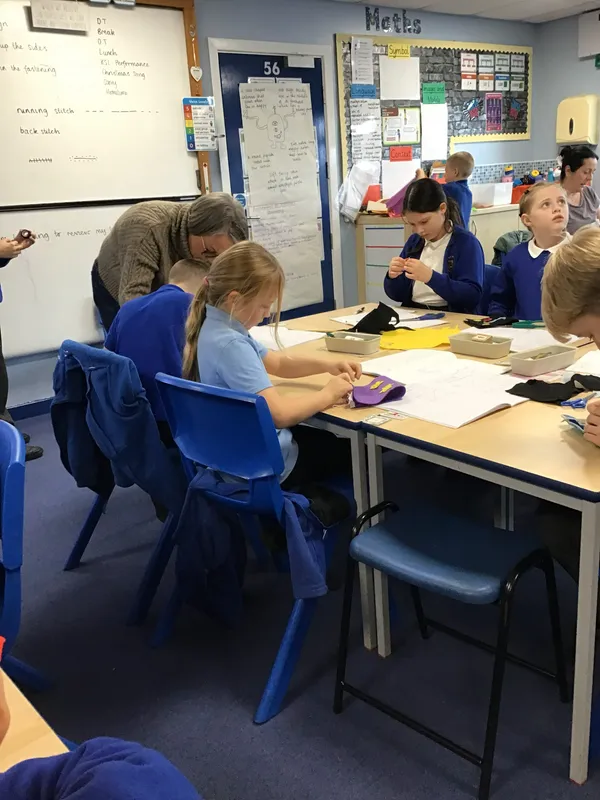
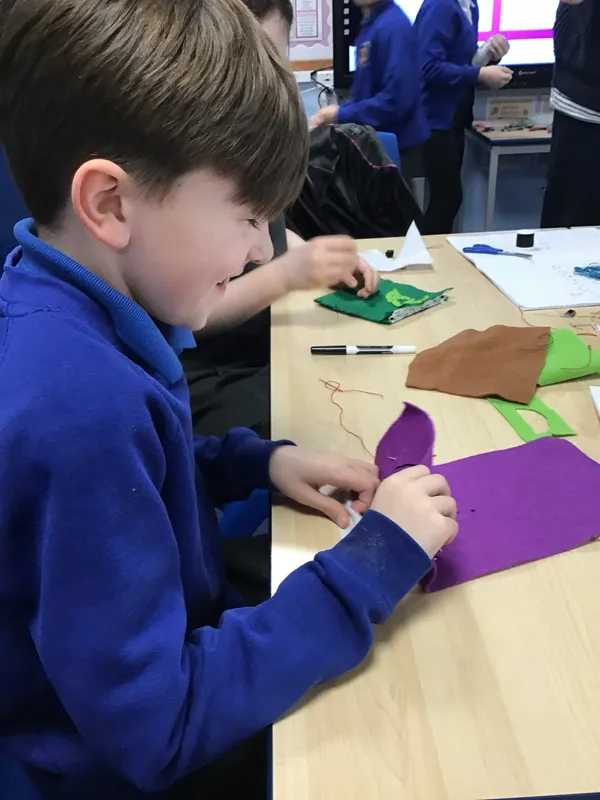
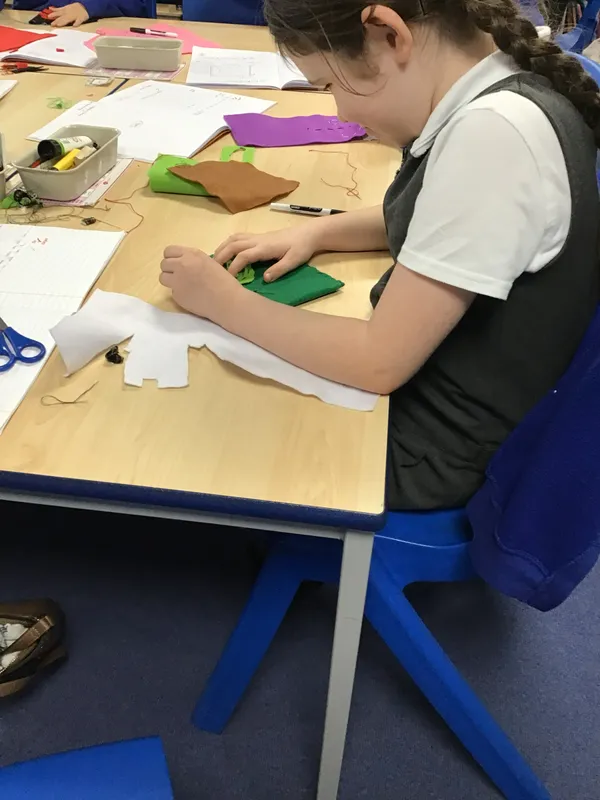
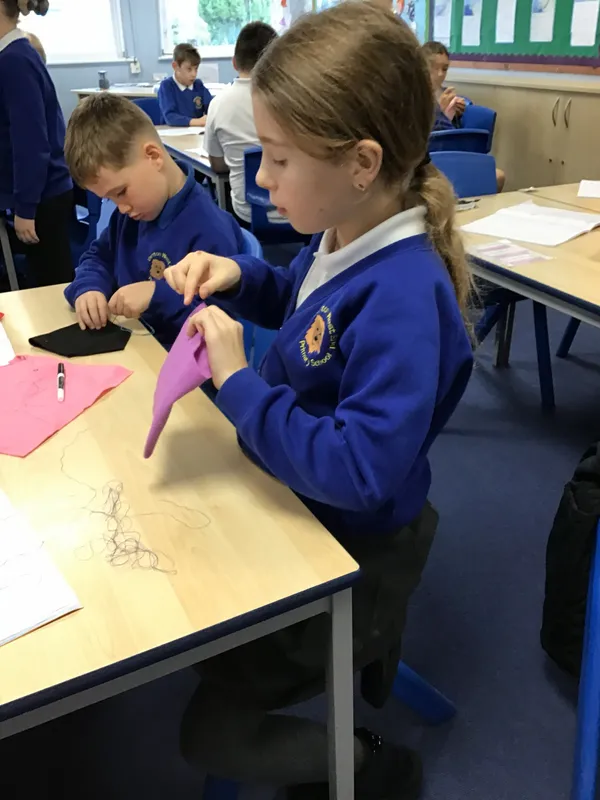
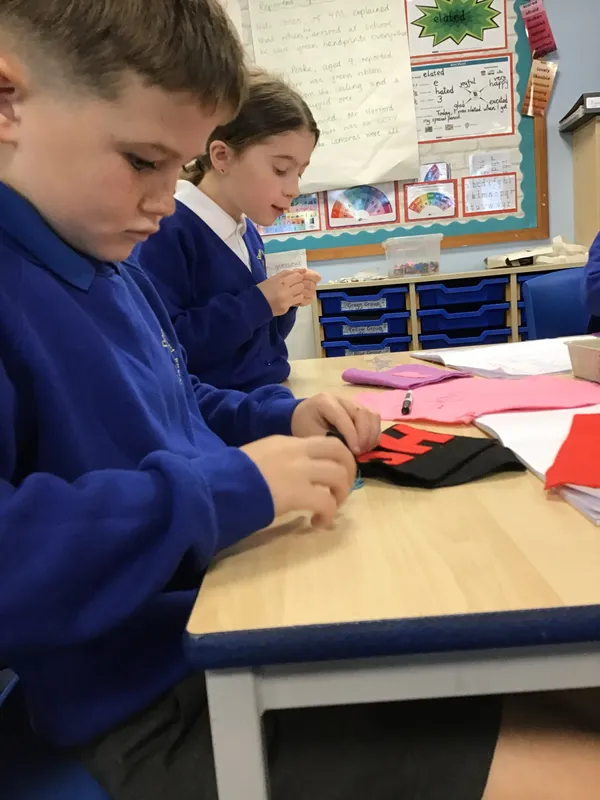
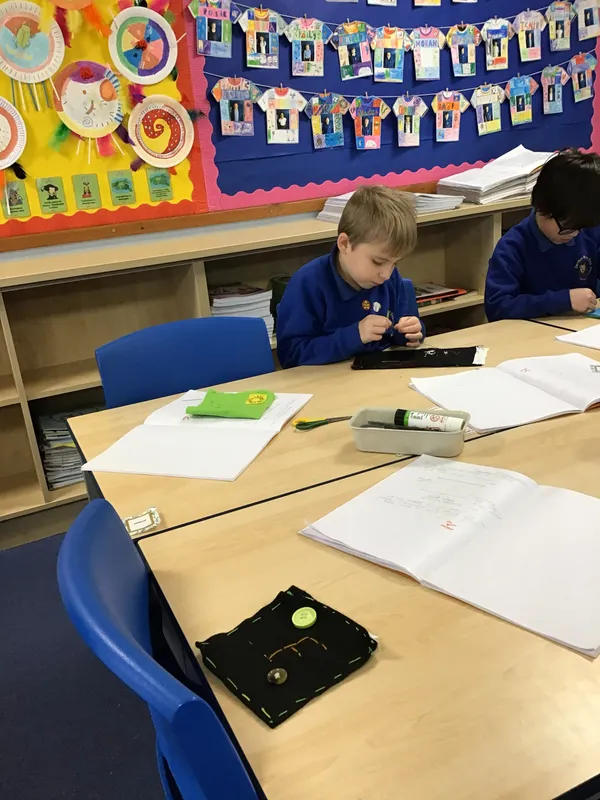
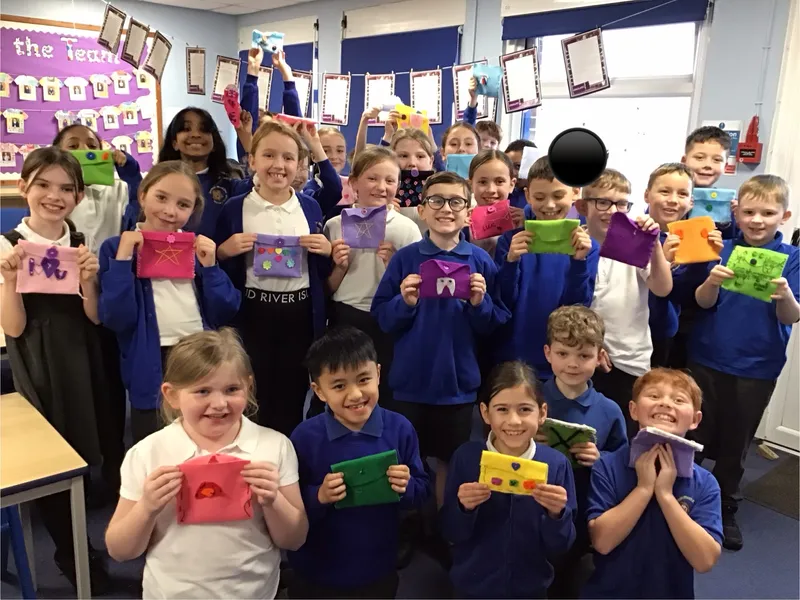
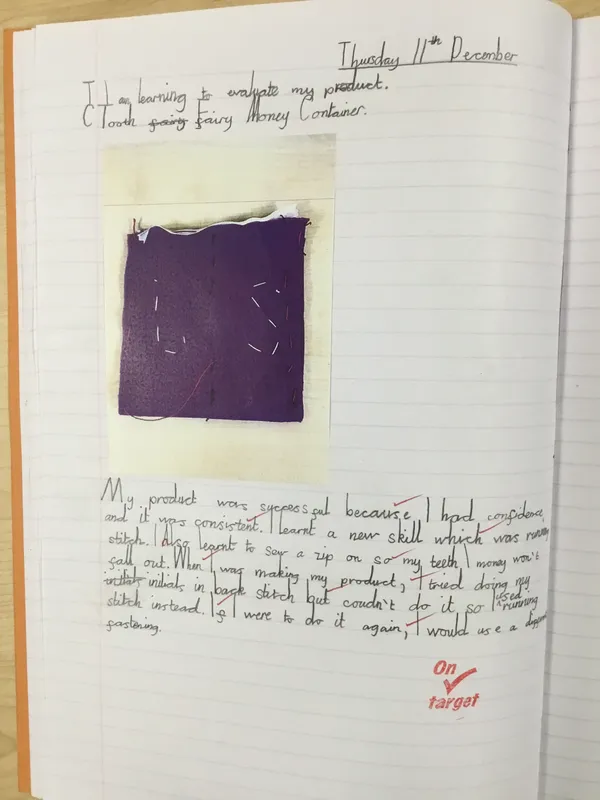
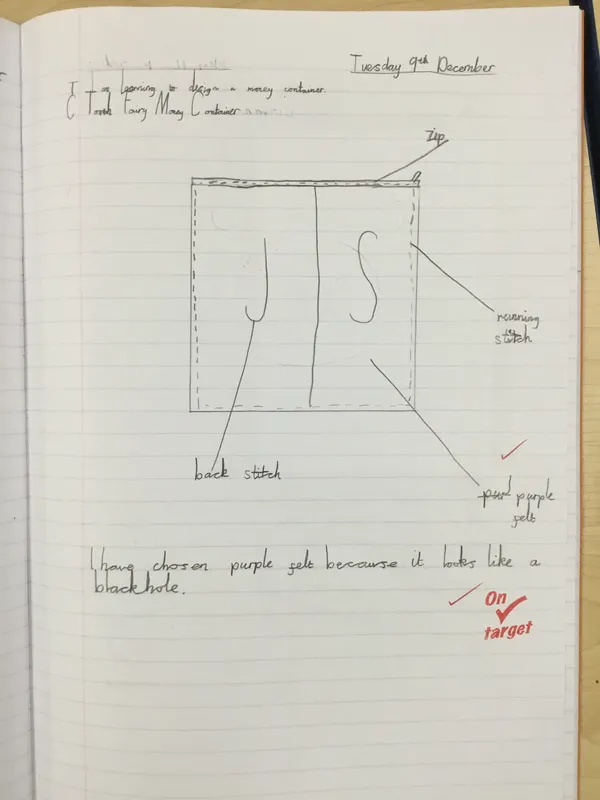
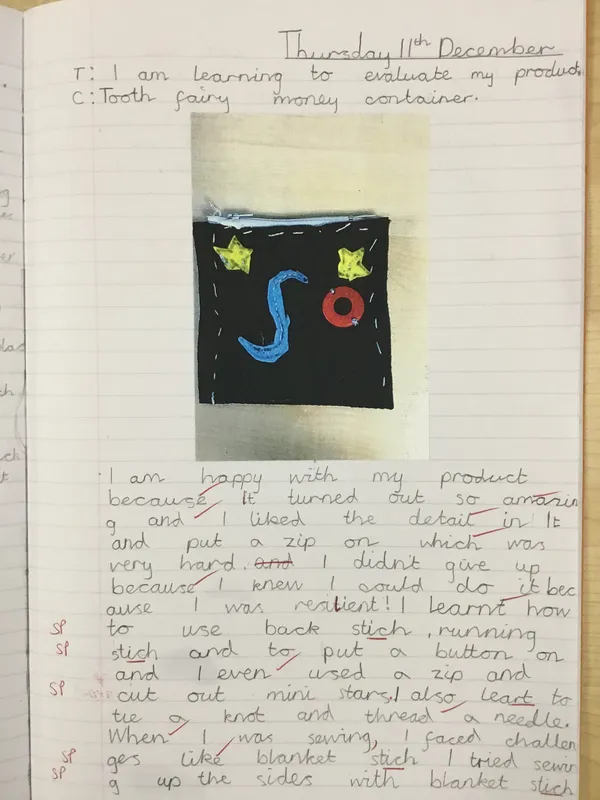
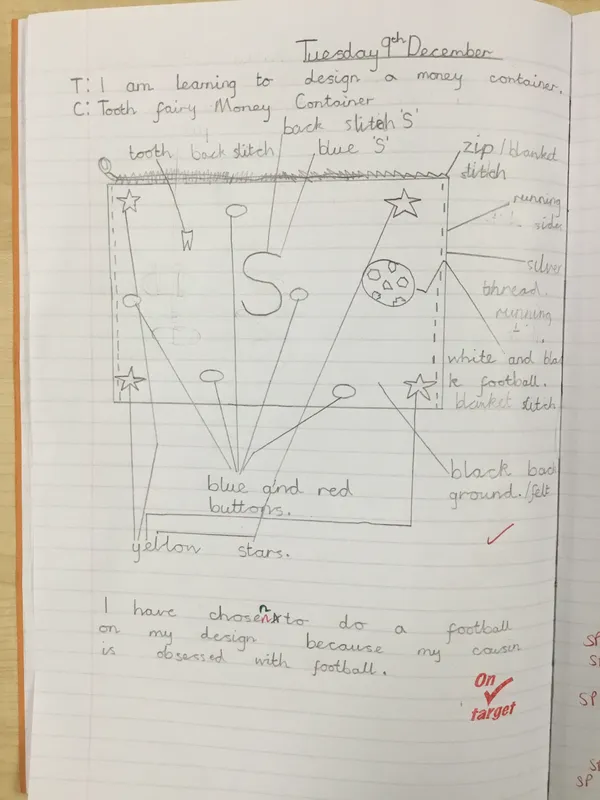
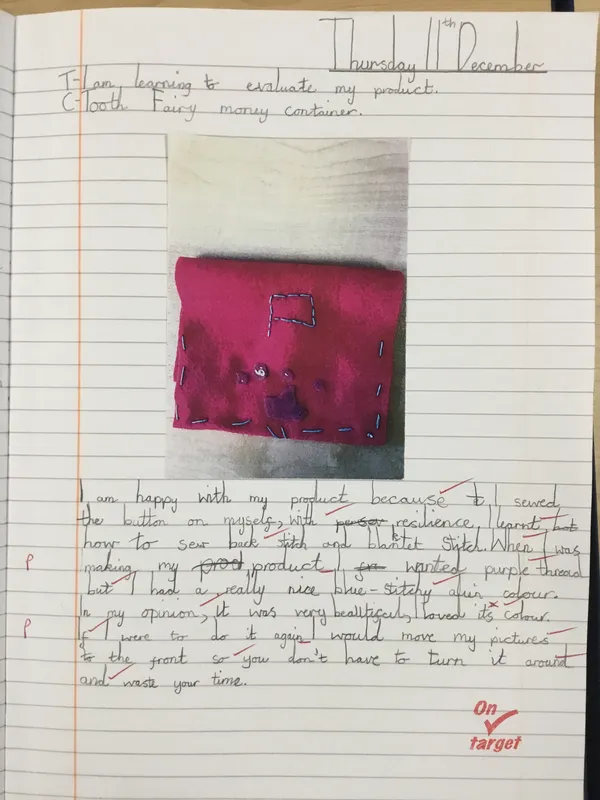
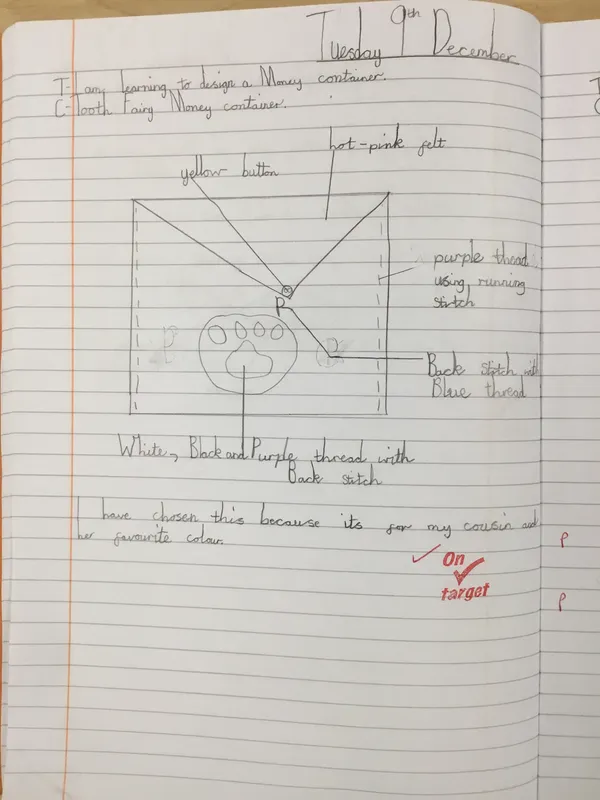
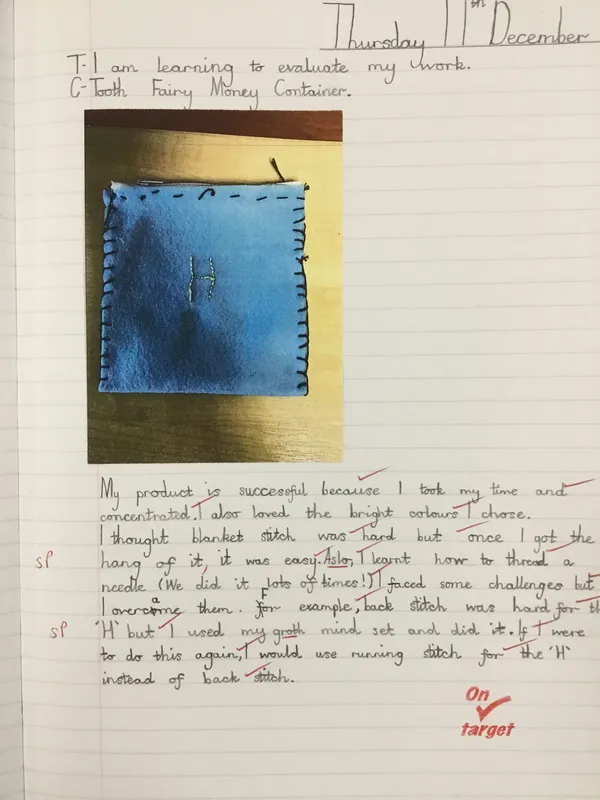
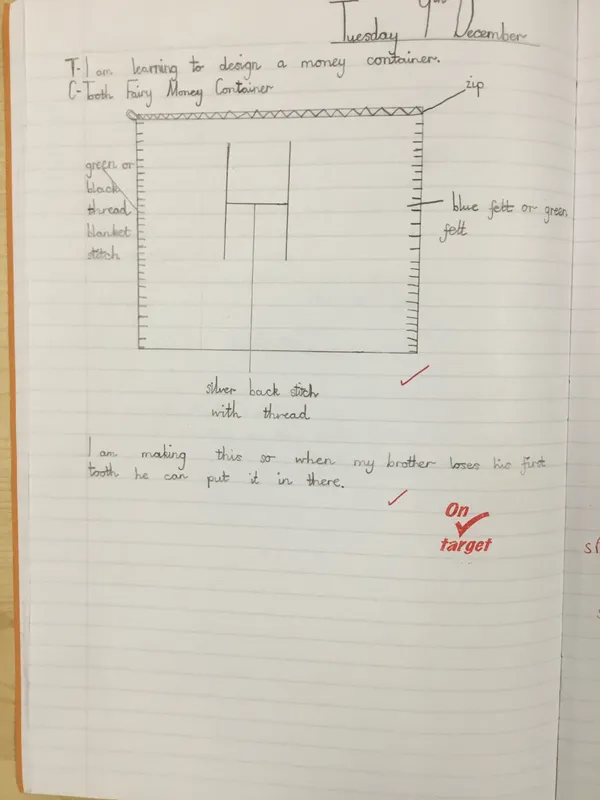
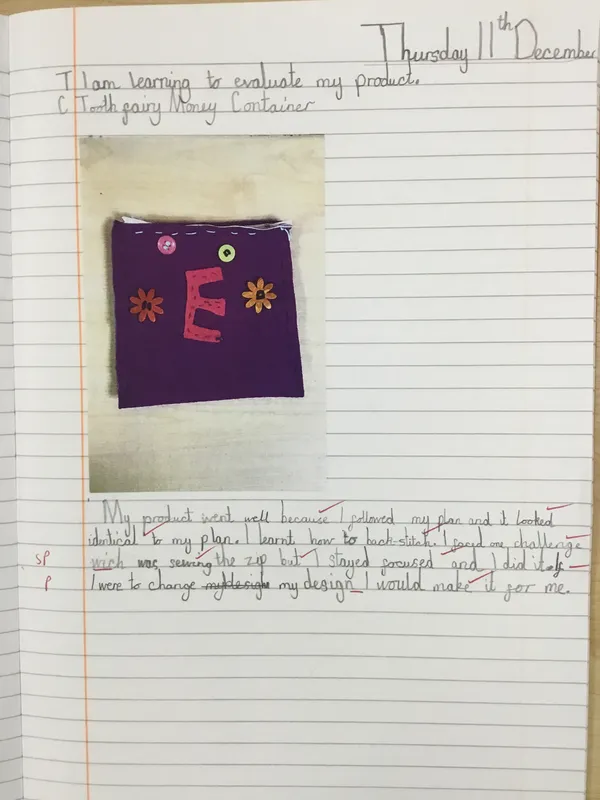
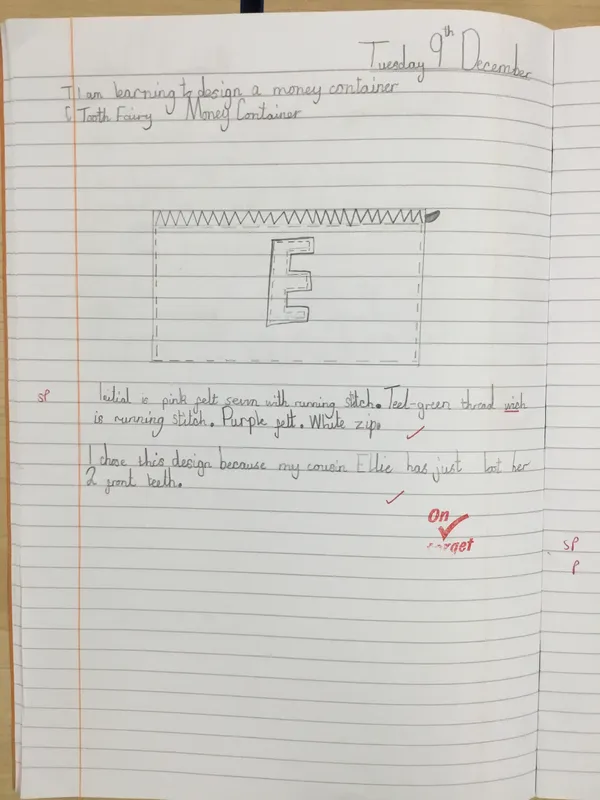
Year 4 have designed and produced a tooth fairy purse. They created colourful designs suitable for a young child. They learned and practised different sewing techniques, including running stitch, back stitch, and blanket stitch. They used these stitches to sew their purses neatly and securely.
After making their purses, they evaluated their work by thinking about what went well and how they could improve next time. The finished tooth fairy purses were strong, bright, and suitable for holding a tooth safely.
October 2025
The nursery have enjoying baking apple and cinnamon cupcakes. They carefully grated the apples, measured out the ingredients, mixed everything together and then used a spoon to scoop the mixture into the paper cases.


